

GIVE THE PERFECT GIFT
Erin Mills Town Centre Gift Cards are the perfect choice for your gift giving needs.Purchase gift cards at kiosks near the food court or centre court, at Guest Services, or click below to purchase online.PURCHASE HEREHome
The Coming of the Fairies
Indigo
Loading Inventory...
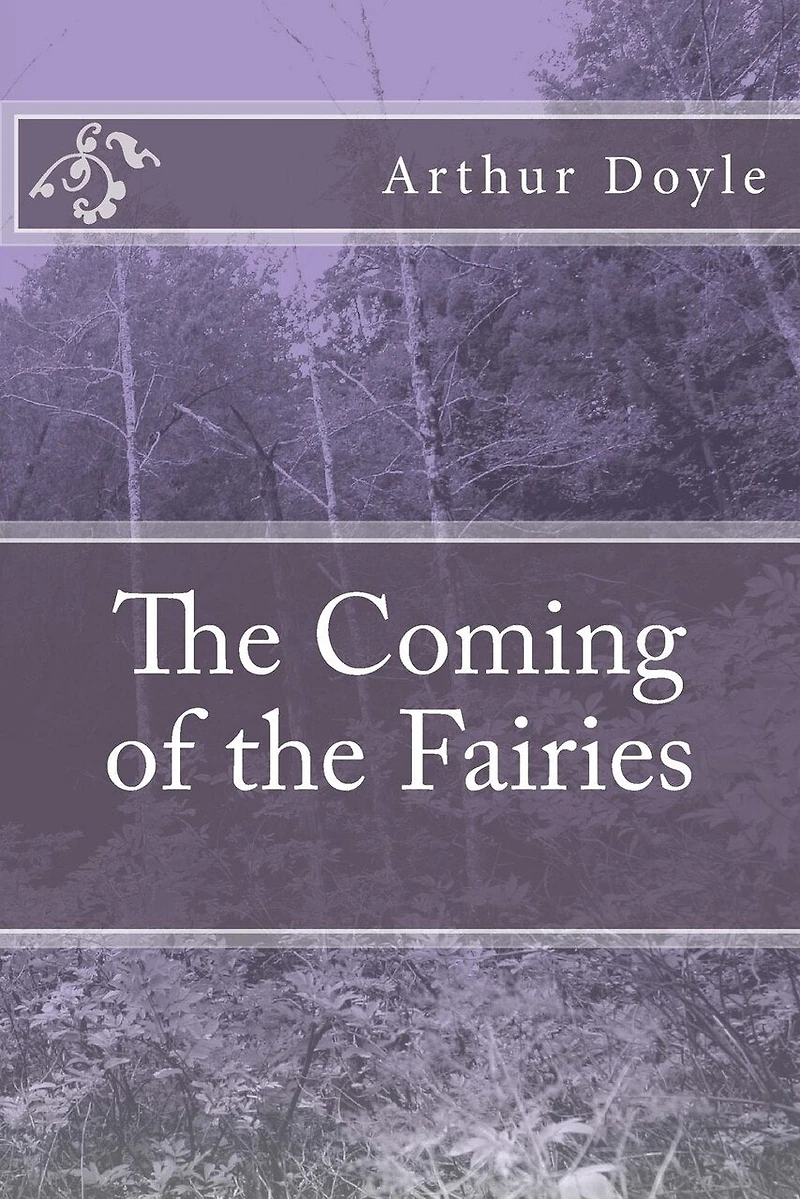
The Coming of the Fairies
Current price: $9.02

The Coming of the Fairies
Current price: $9.02
Loading Inventory...
Size: Paperback
*Product information may vary - to confirm product availability, pricing, shipping and return information please contact Indigo
The Cottingley Fairies appear in a series of five photographs taken by Elsie Wright and Frances Griffiths, two young cousins who lived in Cottingley, near Bradford in England. In 1917, when the first two photographs were taken, Elsie was 16 years old and Frances was 9. The pictures came to the attention of writer Sir Arthur Conan Doyle, who used them to illustrate an article on fairies he had been commissioned to write for the Christmas 1920 edition of The Strand Magazine. Conan Doyle, as a spiritualist, was enthusiastic about the photographs, and interpreted them as clear and visible evidence of psychic phenomena. Public reaction was mixed; some accepted the images as genuine, but others believed they had been faked. Doyle championed the photographs, and in the process destroyed his reputation; which is probably why this book, out of all of the Doyle corpus, has rarely been put into print until now. The Coming of the Fairies was possibly a bigger disappointment for Doyle fans than when he killed off Sherlock Holmes. Interest in the Cottingley Fairies gradually declined after 1921. Both girls married and lived abroad for a time after they grew up, yet the photographs continued to hold the public imagination; in 1966 a reporter from the Daily Express newspaper traced Elsie, who had by then returned to the UK. Elsie left open the possibility that she believed she had photographed her thoughts, and the media once again became interested in the story. In the early 1980s Elsie and Frances admitted that the photographs were faked, using cardboard cutouts of fairies copied from a popular children's book of the time, but Frances maintained that the fifth and final photograph was genuine. The photographs and two of the cameras used are on display in the National Media Museum in Bradford.
The Cottingley Fairies appear in a series of five photographs taken by Elsie Wright and Frances Griffiths, two young cousins who lived in Cottingley, near Bradford in England. In 1917, when the first two photographs were taken, Elsie was 16 years old and Frances was 9. The pictures came to the attention of writer Sir Arthur Conan Doyle, who used them to illustrate an article on fairies he had been commissioned to write for the Christmas 1920 edition of The Strand Magazine. Conan Doyle, as a spiritualist, was enthusiastic about the photographs, and interpreted them as clear and visible evidence of psychic phenomena. Public reaction was mixed; some accepted the images as genuine, but others believed they had been faked. Doyle championed the photographs, and in the process destroyed his reputation; which is probably why this book, out of all of the Doyle corpus, has rarely been put into print until now. The Coming of the Fairies was possibly a bigger disappointment for Doyle fans than when he killed off Sherlock Holmes. Interest in the Cottingley Fairies gradually declined after 1921. Both girls married and lived abroad for a time after they grew up, yet the photographs continued to hold the public imagination; in 1966 a reporter from the Daily Express newspaper traced Elsie, who had by then returned to the UK. Elsie left open the possibility that she believed she had photographed her thoughts, and the media once again became interested in the story. In the early 1980s Elsie and Frances admitted that the photographs were faked, using cardboard cutouts of fairies copied from a popular children's book of the time, but Frances maintained that the fifth and final photograph was genuine. The photographs and two of the cameras used are on display in the National Media Museum in Bradford.
You May Also Like








More About Indigo at Erin Mills Town Centre
The largest book retailer in Canada also offers toys, music, home décor, gifts and lifestyle products. What's Inside...Books, Magazines, CD’s and DVD’s, Toys and Gifts, Home Accents, Electronics, Baby’s and Children’s Section, Bath and Body, Kitchen and Bedroom, Stationary Located outside in the exterior plaza.
5015 Glen Erin Dr, Mississauga, ON L5M 0R7, Canada
Find Indigo at Erin Mills Town Centre in Mississauga ON
Visit Indigo at Erin Mills Town Centre in Mississauga ON