

GIVE THE PERFECT GIFT
Erin Mills Town Centre Gift Cards are the perfect choice for your gift giving needs.Purchase gift cards at kiosks near the food court or centre court, at Guest Services, or click below to purchase online.PURCHASE HEREHome
A Guest The House Of Hip-hop: How Rap Music Taught Kid From Kentucky What White Ally Should Be
Indigo
Loading Inventory...
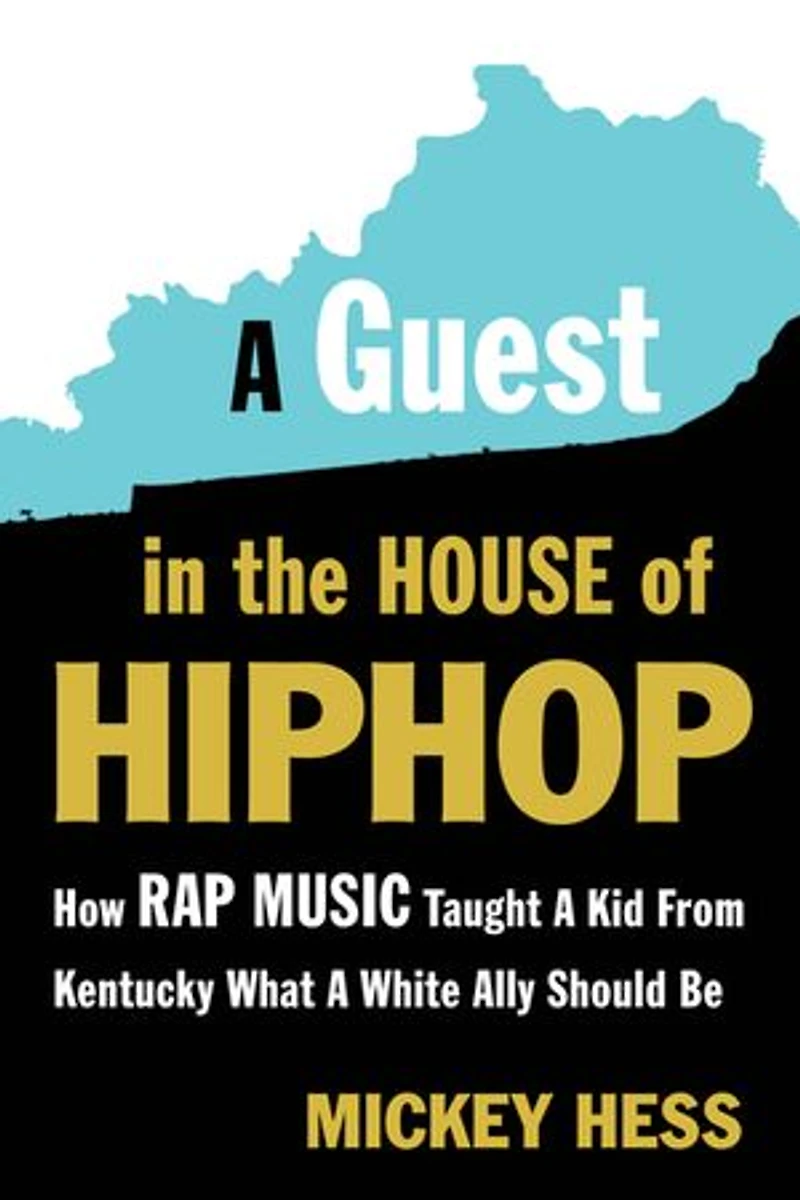
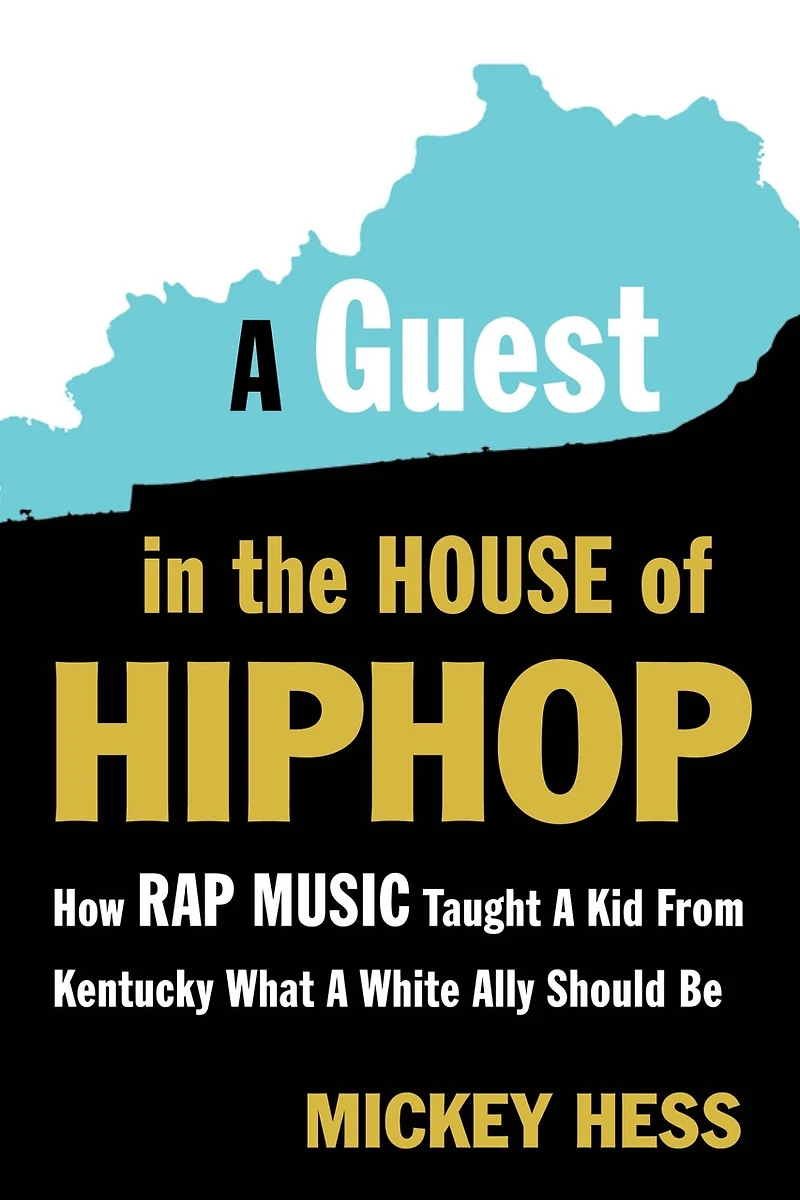
A Guest The House Of Hip-hop: How Rap Music Taught Kid From Kentucky What White Ally Should Be
Current price: $19.49
Original price: $24.36

A Guest The House Of Hip-hop: How Rap Music Taught Kid From Kentucky What White Ally Should Be
Current price: $19.49
Original price: $24.36
Loading Inventory...
Size: Kobo eBook
*Product information may vary - to confirm product availability, pricing, shipping and return information please contact Indigo
Born in rural Kentucky, Mickey Hess grew up listening to the militant rap of Public Enemy while living in a place where the state song still included the word “darkies.” Listening to hip-hop made Hess think about what it meant to be white, while the environment in small-town Kentucky encouraged him to avoid or even mock such self-examination.
With America’s history of cultural appropriation, we’ve come to mistrust white people who participate deeply in black culture, but backing away from black culture is too easy a solution. As a white professor with a longstanding commitment to teaching hip-hop music and culture, Hess argues that white people have a responsibility to educate themselves by listening to black voices and then teach other whites to face the ways they benefit from racial injustices.
In our fraught moment, A Guest in the House of Hip Hop offers a point of entry for readers committed to racial justice, but uncertain about white people’s role in relation to black culture.
Born in rural Kentucky, Mickey Hess grew up listening to the militant rap of Public Enemy while living in a place where the state song still included the word “darkies.” Listening to hip-hop made Hess think about what it meant to be white, while the environment in small-town Kentucky encouraged him to avoid or even mock such self-examination.
With America’s history of cultural appropriation, we’ve come to mistrust white people who participate deeply in black culture, but backing away from black culture is too easy a solution. As a white professor with a longstanding commitment to teaching hip-hop music and culture, Hess argues that white people have a responsibility to educate themselves by listening to black voices and then teach other whites to face the ways they benefit from racial injustices.
In our fraught moment, A Guest in the House of Hip Hop offers a point of entry for readers committed to racial justice, but uncertain about white people’s role in relation to black culture.
You May Also Like













More About Indigo at Erin Mills Town Centre
The largest book retailer in Canada also offers toys, music, home décor, gifts and lifestyle products. What's Inside...Books, Magazines, CD’s and DVD’s, Toys and Gifts, Home Accents, Electronics, Baby’s and Children’s Section, Bath and Body, Kitchen and Bedroom, Stationary Located outside in the exterior plaza.
5015 Glen Erin Dr, Mississauga, ON L5M 0R7, Canada
Find Indigo at Erin Mills Town Centre in Mississauga ON
Visit Indigo at Erin Mills Town Centre in Mississauga ON