

GIVE THE PERFECT GIFT
Erin Mills Town Centre Gift Cards are the perfect choice for your gift giving needs.Purchase gift cards at kiosks near the food court or centre court, at Guest Services, or click below to purchase online.PURCHASE HEREHome
A. H. Nasution and Indonesia's Elites: "People's Resistance" the War of Independence Postwar Politics
Indigo
Loading Inventory...
A. H. Nasution and Indonesia's Elites: "People's Resistance" the War of Independence Postwar Politics
Current price: $219.50

A. H. Nasution and Indonesia's Elites: "People's Resistance" the War of Independence Postwar Politics
Current price: $219.50
Loading Inventory...
Size: Hardcover
*Product information may vary - to confirm product availability, pricing, shipping and return information please contact Indigo
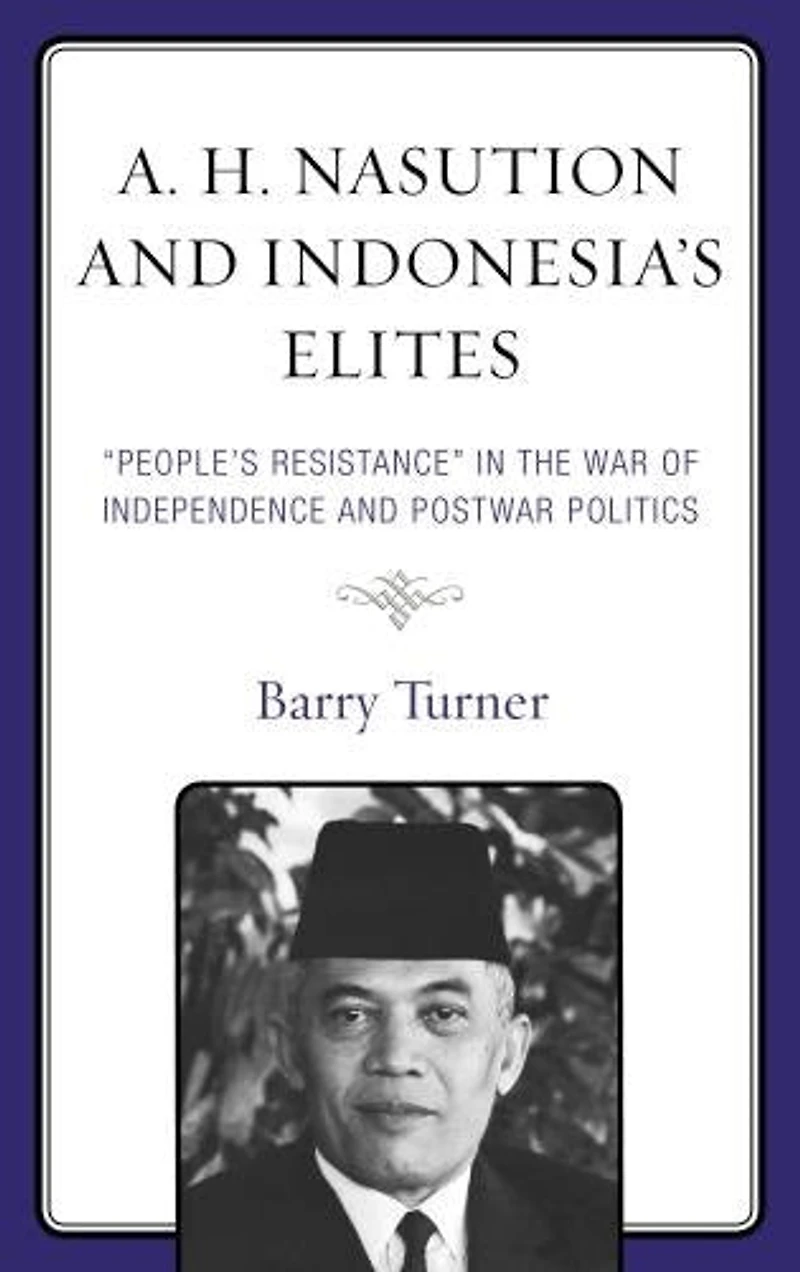
This is an account of the military, political and personal life of Abdul Harus Nasution who was a seminal figure in modern Indonesian history in the years prior to his effective sidelining in the 1960s. He was an important commander during Indonesia's struggle for independence, who rose to become a key leader of the Indonesian armed forces under the first president, Sukarno. Perhaps more significantly, he developed ideas about guerrilla warfare that developed into a sophisticated and socially conservative doctrine for the mobilising of civilian communities. This, in turn, became the underpinning of the repressive, military-backed New Order regime of Indonesia's second president, Suharto, who ruled from 1966 until 1998, and which Nasution initially supported. Understanding Nasution's thinking about 'total people's resistance' is therefore very important for understanding the broader trajectory of Indonesian political history. That includes both the New Order and the emerging democratic regime that developed after its collapse. The new political system that called itself 'the Refom Era' was, in many ways, a direct reaction to the New Order military's penetration and close control of Indonesian society but it has never dismantled the 'shadow' state' structure of the armed forces that Nasution designed and Suharto perfected. In other words, as this book shows, Nasution's legacy still looms large today in Jokowi's Indonesia. This is not the first assessment of Nasution's life but it differs from earlier works by its investigation of Nasution's personal life and, in particular, his relationship with the well-off and well-connected Gondokusumo family, of which he became a member by his marriage to Johana Sunarti Gondokusumo. The author's thorough investigation of Nasution's relationship with Sunarti and her father offers important new insights into how Nasution's ideas evolved, as does the translations of important extracts from Nasution's own voluminous writing included in the text.
This is an account of the military, political and personal life of Abdul Harus Nasution who was a seminal figure in modern Indonesian history in the years prior to his effective sidelining in the 1960s. He was an important commander during Indonesia's struggle for independence, who rose to become a key leader of the Indonesian armed forces under the first president, Sukarno. Perhaps more significantly, he developed ideas about guerrilla warfare that developed into a sophisticated and socially conservative doctrine for the mobilising of civilian communities. This, in turn, became the underpinning of the repressive, military-backed New Order regime of Indonesia's second president, Suharto, who ruled from 1966 until 1998, and which Nasution initially supported. Understanding Nasution's thinking about 'total people's resistance' is therefore very important for understanding the broader trajectory of Indonesian political history. That includes both the New Order and the emerging democratic regime that developed after its collapse. The new political system that called itself 'the Refom Era' was, in many ways, a direct reaction to the New Order military's penetration and close control of Indonesian society but it has never dismantled the 'shadow' state' structure of the armed forces that Nasution designed and Suharto perfected. In other words, as this book shows, Nasution's legacy still looms large today in Jokowi's Indonesia. This is not the first assessment of Nasution's life but it differs from earlier works by its investigation of Nasution's personal life and, in particular, his relationship with the well-off and well-connected Gondokusumo family, of which he became a member by his marriage to Johana Sunarti Gondokusumo. The author's thorough investigation of Nasution's relationship with Sunarti and her father offers important new insights into how Nasution's ideas evolved, as does the translations of important extracts from Nasution's own voluminous writing included in the text.
You May Also Like







More About Indigo at Erin Mills Town Centre
The largest book retailer in Canada also offers toys, music, home décor, gifts and lifestyle products. What's Inside...Books, Magazines, CD’s and DVD’s, Toys and Gifts, Home Accents, Electronics, Baby’s and Children’s Section, Bath and Body, Kitchen and Bedroom, Stationary Located outside in the exterior plaza.
5015 Glen Erin Dr, Mississauga, ON L5M 0R7, Canada
Find Indigo at Erin Mills Town Centre in Mississauga ON
Visit Indigo at Erin Mills Town Centre in Mississauga ON