

GIVE THE PERFECT GIFT
Erin Mills Town Centre Gift Cards are the perfect choice for your gift giving needs.Purchase gift cards at kiosks near the food court or centre court, at Guest Services, or click below to purchase online.PURCHASE HEREHome
A History of European Economic Thought
Indigo
Loading Inventory...
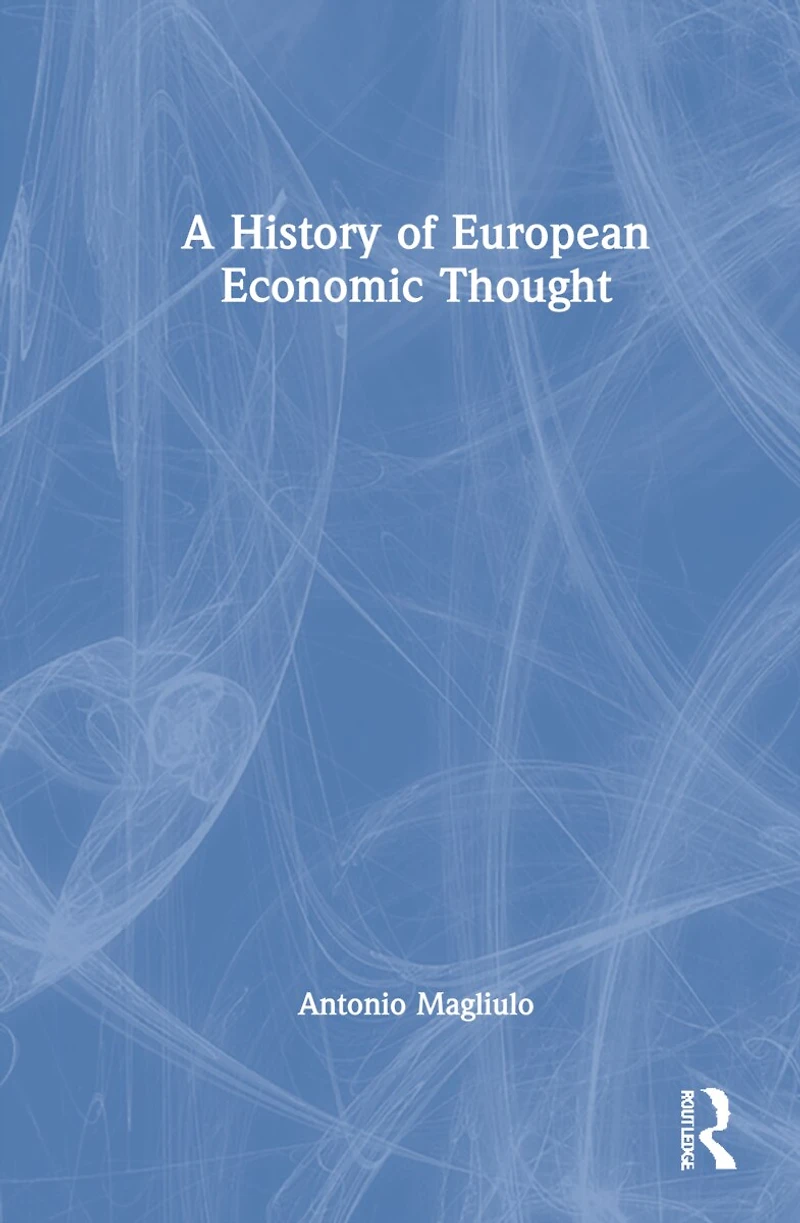


A History of European Economic Thought
Current price: $296.50

A History of European Economic Thought
Current price: $296.50
Loading Inventory...
Size: Hardcover
*Product information may vary - to confirm product availability, pricing, shipping and return information please contact Indigo
A History of European Economic Thought grafts the history of economic thought onto Global History by showing how significant economic ideas have influenced the process of Europe's formation from the very beginning to the present day. This work combines two classical stories that until today have followed parallel paths. On the one hand, there is the political history of Europe, which is often limited to a few fleeting references to the ideas of the great economists of the past. On the other hand, there is the history of economic thought, which examines Europe as a whole, as a distinct supranational community, only with reference to the institutions created after World War II. The volume sheds light on the constitutive values of Europe, which also stem from a particular economic culture, and provides essential reading for students and scholars of the history of economic thought.
A History of European Economic Thought grafts the history of economic thought onto Global History by showing how significant economic ideas have influenced the process of Europe's formation from the very beginning to the present day. This work combines two classical stories that until today have followed parallel paths. On the one hand, there is the political history of Europe, which is often limited to a few fleeting references to the ideas of the great economists of the past. On the other hand, there is the history of economic thought, which examines Europe as a whole, as a distinct supranational community, only with reference to the institutions created after World War II. The volume sheds light on the constitutive values of Europe, which also stem from a particular economic culture, and provides essential reading for students and scholars of the history of economic thought.
You May Also Like












More About Indigo at Erin Mills Town Centre
The largest book retailer in Canada also offers toys, music, home décor, gifts and lifestyle products. What's Inside...Books, Magazines, CD’s and DVD’s, Toys and Gifts, Home Accents, Electronics, Baby’s and Children’s Section, Bath and Body, Kitchen and Bedroom, Stationary Located outside in the exterior plaza.
5015 Glen Erin Dr, Mississauga, ON L5M 0R7, Canada
Find Indigo at Erin Mills Town Centre in Mississauga ON
Visit Indigo at Erin Mills Town Centre in Mississauga ON