

GIVE THE PERFECT GIFT
Erin Mills Town Centre Gift Cards are the perfect choice for your gift giving needs.Purchase gift cards at kiosks near the food court or centre court, at Guest Services, or click below to purchase online.PURCHASE HEREHome
A Late Sixteenth-Century Chinese Buddhist Fellowship: Spiritual Ambitions, Intellectual Debates, and Epistolary Connections
Indigo
Loading Inventory...
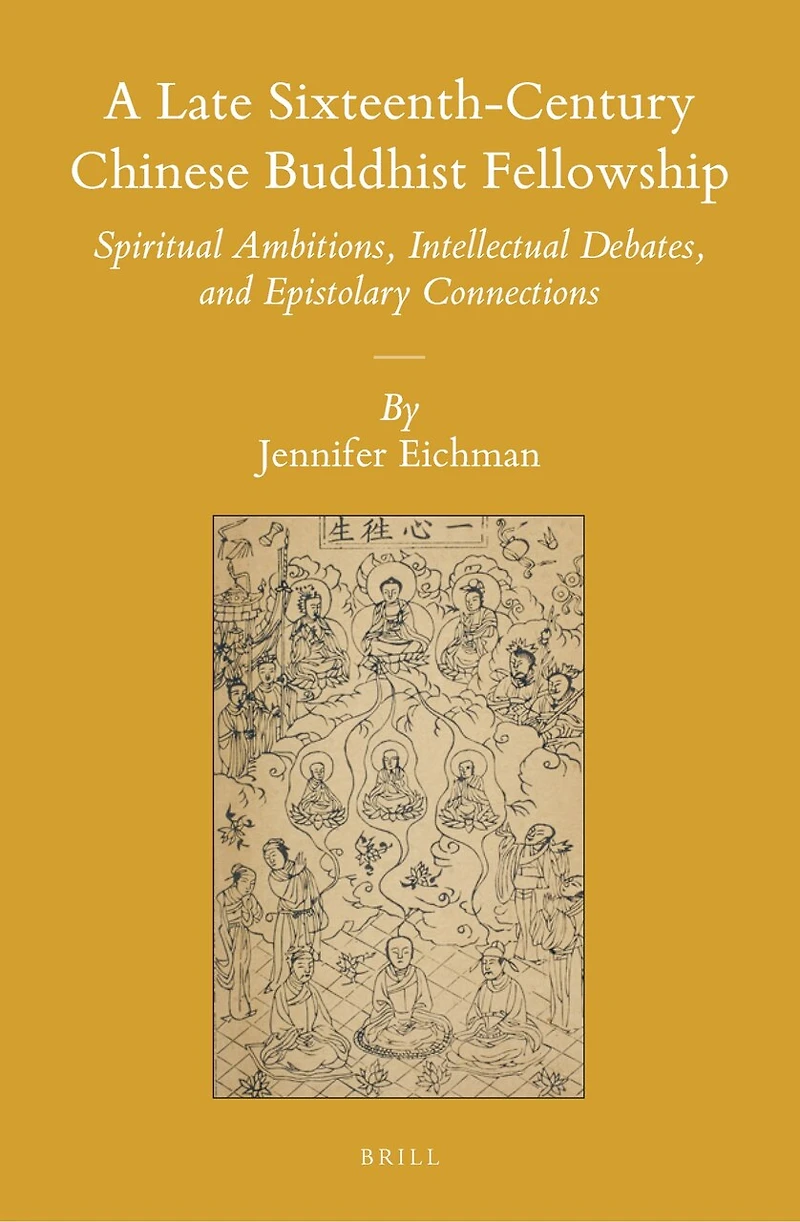
A Late Sixteenth-Century Chinese Buddhist Fellowship: Spiritual Ambitions, Intellectual Debates, and Epistolary Connections
Current price: $281.99

A Late Sixteenth-Century Chinese Buddhist Fellowship: Spiritual Ambitions, Intellectual Debates, and Epistolary Connections
Current price: $281.99
Loading Inventory...
Size: Hardcover
*Product information may vary - to confirm product availability, pricing, shipping and return information please contact Indigo
Through a detailed analysis of epistolary writing, A Late Sixteenth-Century Chinese Buddhist Fellowship: Spiritual Ambitions, Intellectual Debates, and Epistolary Connections brings to life the Buddhist discourse of a network of lay disciples who debated the value of Chan versus Pure Land, sudden versus gradual enlightenment, adherence to Buddhist precepts, and animal welfare. By highlighting the differences between their mentor, the monk Zhuhong 袾宏 (1535-1615), and his nemesis, the Yangming Confucian Zhou Rudeng 周汝登 (1547-1629), this work confronts long-held scholarly views of Confucian dominance to conclude that many classically educated, elite men found Buddhist practices a far more attractive option. Their intellectual debates, self-cultivation practices, and interpersonal relations helped shape the contours of late sixteenth-century Buddhist culture.
Through a detailed analysis of epistolary writing, A Late Sixteenth-Century Chinese Buddhist Fellowship: Spiritual Ambitions, Intellectual Debates, and Epistolary Connections brings to life the Buddhist discourse of a network of lay disciples who debated the value of Chan versus Pure Land, sudden versus gradual enlightenment, adherence to Buddhist precepts, and animal welfare. By highlighting the differences between their mentor, the monk Zhuhong 袾宏 (1535-1615), and his nemesis, the Yangming Confucian Zhou Rudeng 周汝登 (1547-1629), this work confronts long-held scholarly views of Confucian dominance to conclude that many classically educated, elite men found Buddhist practices a far more attractive option. Their intellectual debates, self-cultivation practices, and interpersonal relations helped shape the contours of late sixteenth-century Buddhist culture.
You May Also Like







More About Indigo at Erin Mills Town Centre
The largest book retailer in Canada also offers toys, music, home décor, gifts and lifestyle products. What's Inside...Books, Magazines, CD’s and DVD’s, Toys and Gifts, Home Accents, Electronics, Baby’s and Children’s Section, Bath and Body, Kitchen and Bedroom, Stationary Located outside in the exterior plaza.
5015 Glen Erin Dr, Mississauga, ON L5M 0R7, Canada
Find Indigo at Erin Mills Town Centre in Mississauga ON
Visit Indigo at Erin Mills Town Centre in Mississauga ON