

GIVE THE PERFECT GIFT
Erin Mills Town Centre Gift Cards are the perfect choice for your gift giving needs.Purchase gift cards at kiosks near the food court or centre court, at Guest Services, or click below to purchase online.PURCHASE HEREHome
A New Kind of Public: Community, Solidarity, and Political Economy in New Deal Cinema, 1935-1948
Indigo
Loading Inventory...
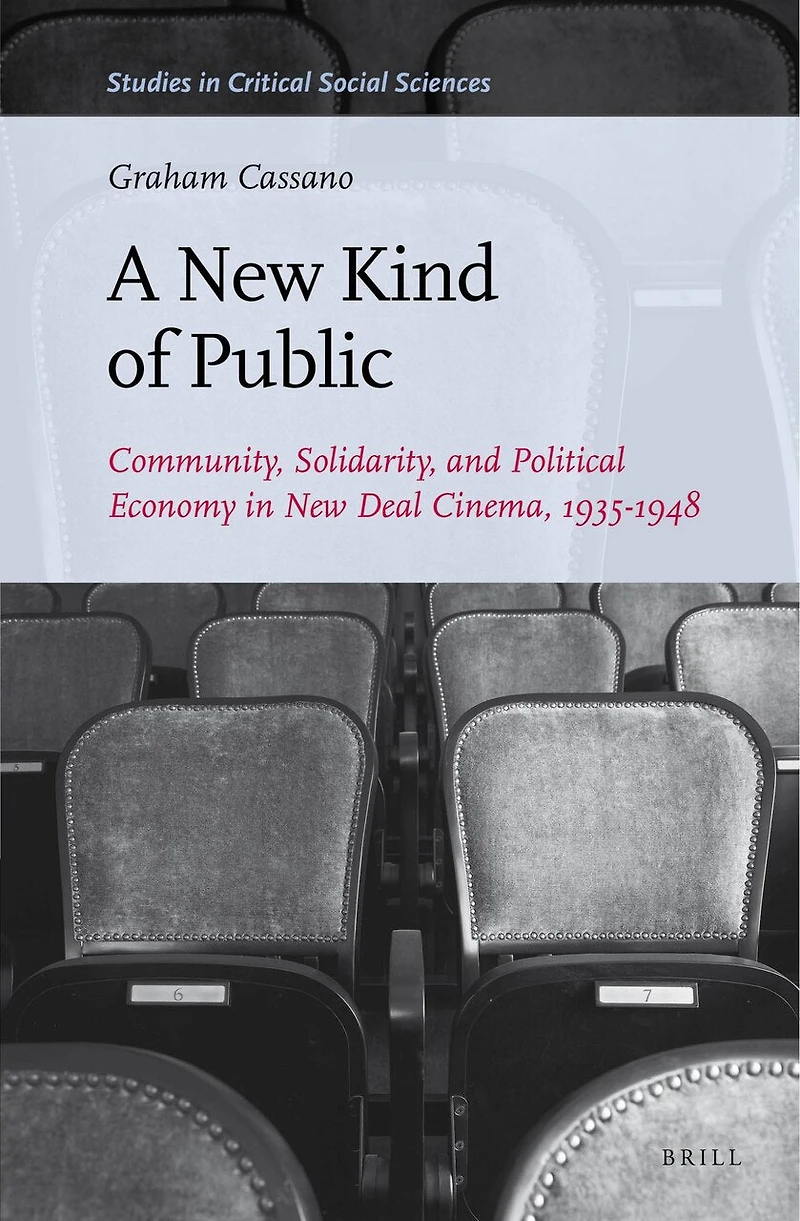
A New Kind of Public: Community, Solidarity, and Political Economy in New Deal Cinema, 1935-1948
Current price: $206.99

A New Kind of Public: Community, Solidarity, and Political Economy in New Deal Cinema, 1935-1948
Current price: $206.99
Loading Inventory...
Size: Hardcover
*Product information may vary - to confirm product availability, pricing, shipping and return information please contact Indigo
In 1936, director John Ford claimed to be making movies for “a new kind of public” that wanted more honest pictures. Graham Cassano’s A New Kind of Public: Community, solidarity, and political economy in New Deal cinema, 1935-1948 argues that this new kind of public was forged in the fires of class struggle and economic calamity. Those struggles appeared in Hollywood productions, as the movies themselves tried to explain the causes and consequence of the Great Depression. Using the tools of critical Marxism and cultural theory, Cassano surveys Hollywood’s political economic explanations and finds a field of symbolic struggle in which radical visions of solidarity and conflict competed with the dominant class ideology for the loyalty of this new audience.
In 1936, director John Ford claimed to be making movies for “a new kind of public” that wanted more honest pictures. Graham Cassano’s A New Kind of Public: Community, solidarity, and political economy in New Deal cinema, 1935-1948 argues that this new kind of public was forged in the fires of class struggle and economic calamity. Those struggles appeared in Hollywood productions, as the movies themselves tried to explain the causes and consequence of the Great Depression. Using the tools of critical Marxism and cultural theory, Cassano surveys Hollywood’s political economic explanations and finds a field of symbolic struggle in which radical visions of solidarity and conflict competed with the dominant class ideology for the loyalty of this new audience.
You May Also Like








More About Indigo at Erin Mills Town Centre
The largest book retailer in Canada also offers toys, music, home décor, gifts and lifestyle products. What's Inside...Books, Magazines, CD’s and DVD’s, Toys and Gifts, Home Accents, Electronics, Baby’s and Children’s Section, Bath and Body, Kitchen and Bedroom, Stationary Located outside in the exterior plaza.
5015 Glen Erin Dr, Mississauga, ON L5M 0R7, Canada
Find Indigo at Erin Mills Town Centre in Mississauga ON
Visit Indigo at Erin Mills Town Centre in Mississauga ON