

GIVE THE PERFECT GIFT
Erin Mills Town Centre Gift Cards are the perfect choice for your gift giving needs.Purchase gift cards at kiosks near the food court or centre court, at Guest Services, or click below to purchase online.PURCHASE HEREHome
A Palestinian Theology of Liberation: The Bible, Justice, and the Palestine-Israel Conflict
Indigo
Loading Inventory...
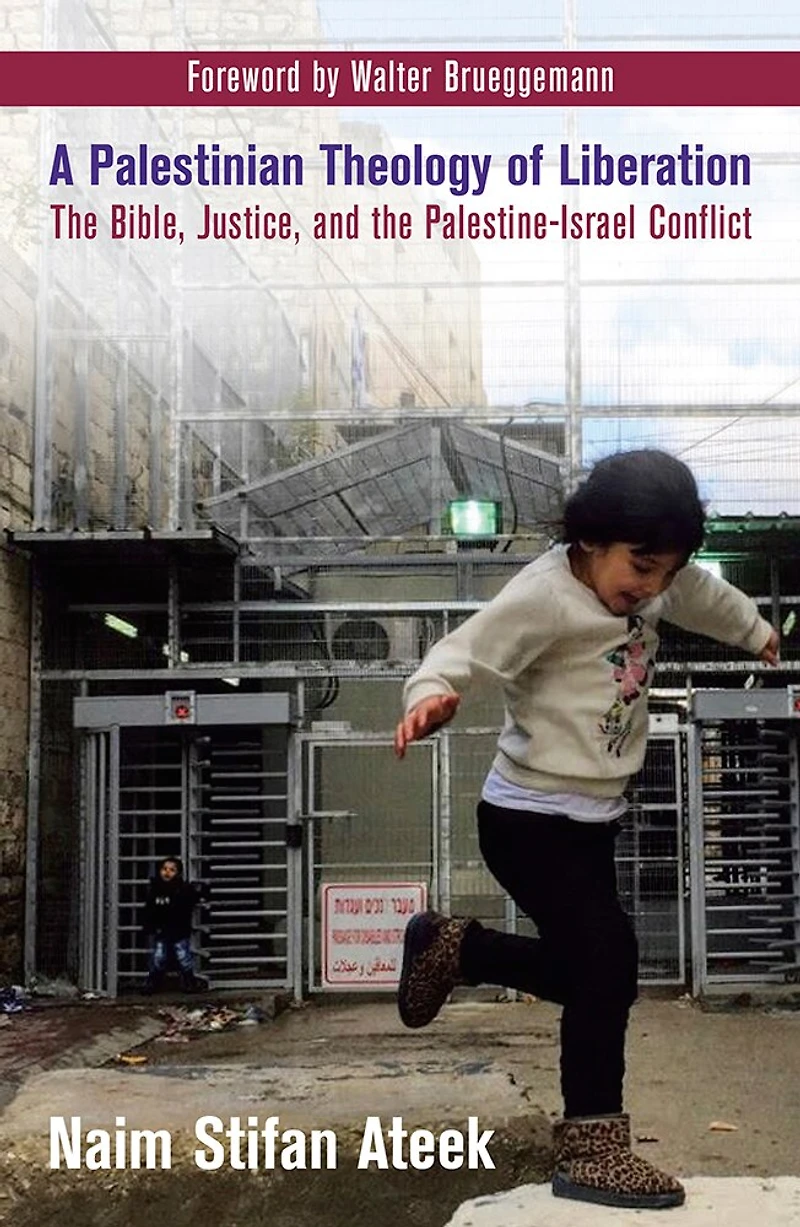
A Palestinian Theology of Liberation: The Bible, Justice, and the Palestine-Israel Conflict
Current price: $31.50

A Palestinian Theology of Liberation: The Bible, Justice, and the Palestine-Israel Conflict
Current price: $31.50
Loading Inventory...
Size: Paperback
*Product information may vary - to confirm product availability, pricing, shipping and return information please contact Indigo
Addressing what many consider the world's most controversial conflict, Naim Ateek offers a succinct primer on liberation theology in the context of the Palestinian struggle for freedom and self-determination. Beginning with the historical roots of this struggle, he shows how the memory of the Holocaust served to trump the claims and aspirations of the native inhabitants of Palestine, and how later Israeli occupation and settlements in the West Bank have contributed to their suffering and oppression. Supported by many Western Christians, Israeli claims to the land rely on a particular exclusivist reading of the Bible. In contrast, a Palestinian theology of liberation responds with a counter-strategy for biblical interpretation, emphasizing the prophetic themes of inclusivity and justice. Ateek concludes by providing principles for achieving security, peace, and justice for all peoples in Israel/Palestine.
Addressing what many consider the world's most controversial conflict, Naim Ateek offers a succinct primer on liberation theology in the context of the Palestinian struggle for freedom and self-determination. Beginning with the historical roots of this struggle, he shows how the memory of the Holocaust served to trump the claims and aspirations of the native inhabitants of Palestine, and how later Israeli occupation and settlements in the West Bank have contributed to their suffering and oppression. Supported by many Western Christians, Israeli claims to the land rely on a particular exclusivist reading of the Bible. In contrast, a Palestinian theology of liberation responds with a counter-strategy for biblical interpretation, emphasizing the prophetic themes of inclusivity and justice. Ateek concludes by providing principles for achieving security, peace, and justice for all peoples in Israel/Palestine.
You May Also Like







More About Indigo at Erin Mills Town Centre
The largest book retailer in Canada also offers toys, music, home décor, gifts and lifestyle products. What's Inside...Books, Magazines, CD’s and DVD’s, Toys and Gifts, Home Accents, Electronics, Baby’s and Children’s Section, Bath and Body, Kitchen and Bedroom, Stationary Located outside in the exterior plaza.
5015 Glen Erin Dr, Mississauga, ON L5M 0R7, Canada
Find Indigo at Erin Mills Town Centre in Mississauga ON
Visit Indigo at Erin Mills Town Centre in Mississauga ON