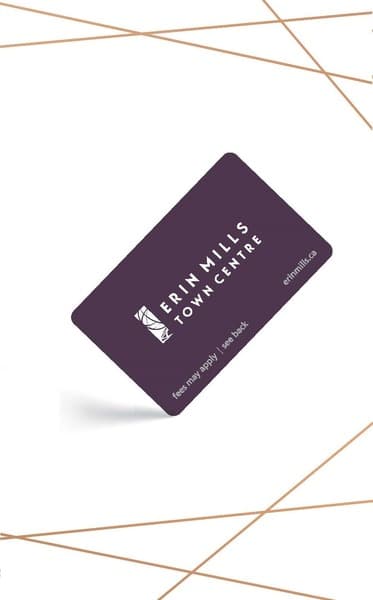
Erin Mills Town Centre Gift Cards are the perfect choice for your gift giving needs.Purchase gift cards at kiosks near the food court or centre court, at Guest Services, or click below to purchase online.PURCHASE HERE
Indigo A Sad Fiasco: Colonial Concentration Camps Southern Africa, 1900–1908 | Erin Mills Town Centre
*Product information may vary - to confirm product availability, pricing, shipping and return information please contact Indigo
Only in recent years has the history of European colonial concentration camps in Africa—in which thousands of prisoners died in appalling conditions—become widely known beyond a handful of specialists. Although they preceded the Third Reich by many decades, the camps’ newfound notoriety has led many to ask to what extent they anticipated the horrors of the Holocaust. Were they designed for mass killing, a misbegotten attempt at modernization, or something else entirely? A Sad Fiasco confronts this difficult question head-on, reconstructing the actions of colonial officials in both British South Africa and German South-West Africa as well as the experiences of internees to explore both the similarities and the divergences between the African camps and their Nazi-era successors.
Only in recent years has the history of European colonial concentration camps in Africa—in which thousands of prisoners died in appalling conditions—become widely known beyond a handful of specialists. Although they preceded the Third Reich by many decades, the camps’ newfound notoriety has led many to ask to what extent they anticipated the horrors of the Holocaust. Were they designed for mass killing, a misbegotten attempt at modernization, or something else entirely? A Sad Fiasco confronts this difficult question head-on, reconstructing the actions of colonial officials in both British South Africa and German South-West Africa as well as the experiences of internees to explore both the similarities and the divergences between the African camps and their Nazi-era successors.
The largest book retailer in Canada also offers toys, music, home décor, gifts and lifestyle products. What's Inside...Books, Magazines, CD’s and DVD’s, Toys and Gifts, Home Accents, Electronics, Baby’s and Children’s Section, Bath and Body, Kitchen and Bedroom, Stationary Located outside in the exterior plaza.