

GIVE THE PERFECT GIFT
Erin Mills Town Centre Gift Cards are the perfect choice for your gift giving needs.Purchase gift cards at kiosks near the food court or centre court, at Guest Services, or click below to purchase online.PURCHASE HEREHome
A Theory of Birds: Poems
Indigo
Loading Inventory...
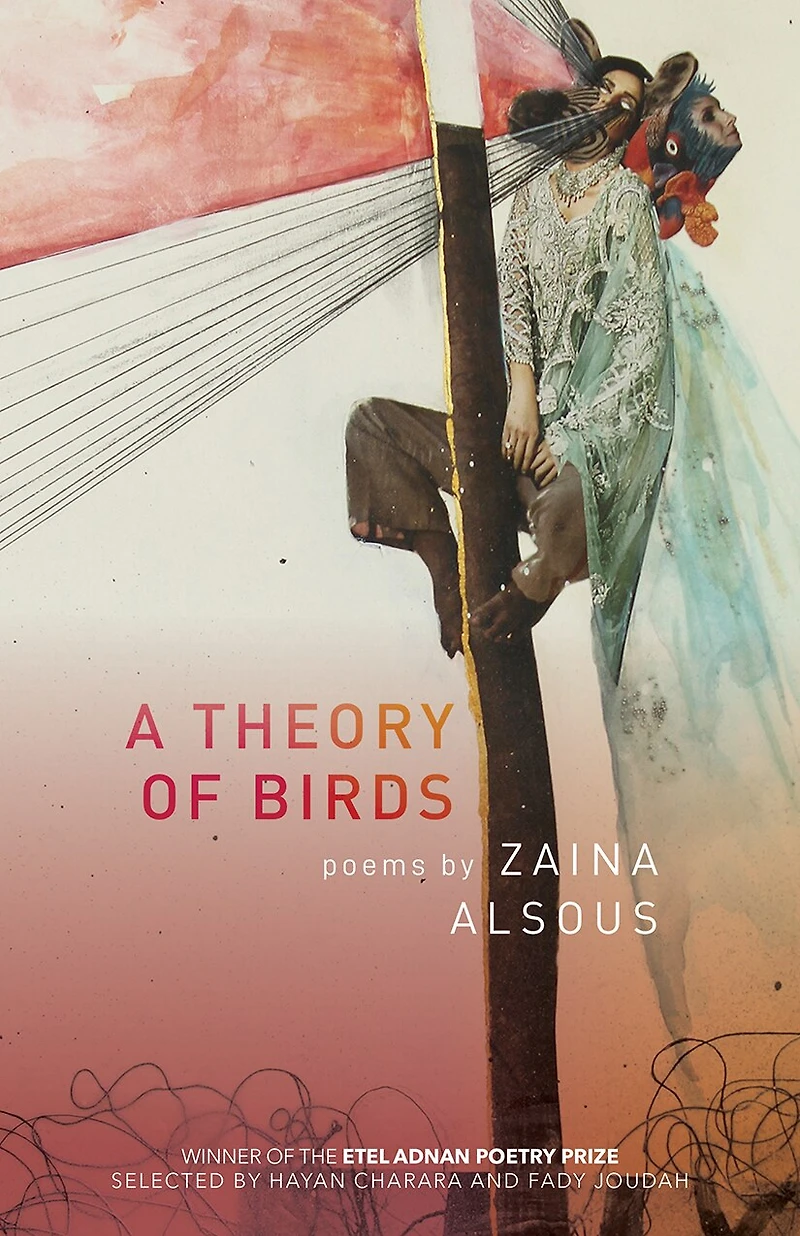
A Theory of Birds: Poems
Current price: $25.95

A Theory of Birds: Poems
Current price: $25.95
Loading Inventory...
Size: Paperback
*Product information may vary - to confirm product availability, pricing, shipping and return information please contact Indigo
Winner of the 2019 Etel Adnan Poetry Prize
Inside the dodo bird is a forest, Inside the forest
a peach analog, Inside the peach analog a woman, Inside
the woman a lake of funerals
This layering of bird, woman, place, technology, and ceremony, which begins this first full-length collection by Zaina Alsous, mirrors the layering of insights that marks the collection as a whole. The poems in A Theory of Birds draw on inherited memory, historical record, critical theory, alternative geographies, and sharp observation. In them, birds—particularly extinct species—become metaphor for the violences perpetrated on othered bodies under the colonial gaze.
Putting ecological preservation in conversation with Arab racial formation, state vernacular with the chatter of birds, Alsous explores how categorization can be a tool for detachment, domination, and erasure. Stretching their wings toward de-erasure, these poems—their subjects and their logics—refuse to stay put within a single category. This is poetry in support of a decolonized mind.
Winner of the 2019 Etel Adnan Poetry Prize
Inside the dodo bird is a forest, Inside the forest
a peach analog, Inside the peach analog a woman, Inside
the woman a lake of funerals
This layering of bird, woman, place, technology, and ceremony, which begins this first full-length collection by Zaina Alsous, mirrors the layering of insights that marks the collection as a whole. The poems in A Theory of Birds draw on inherited memory, historical record, critical theory, alternative geographies, and sharp observation. In them, birds—particularly extinct species—become metaphor for the violences perpetrated on othered bodies under the colonial gaze.
Putting ecological preservation in conversation with Arab racial formation, state vernacular with the chatter of birds, Alsous explores how categorization can be a tool for detachment, domination, and erasure. Stretching their wings toward de-erasure, these poems—their subjects and their logics—refuse to stay put within a single category. This is poetry in support of a decolonized mind.
You May Also Like







More About Indigo at Erin Mills Town Centre
The largest book retailer in Canada also offers toys, music, home décor, gifts and lifestyle products. What's Inside...Books, Magazines, CD’s and DVD’s, Toys and Gifts, Home Accents, Electronics, Baby’s and Children’s Section, Bath and Body, Kitchen and Bedroom, Stationary Located outside in the exterior plaza.
5015 Glen Erin Dr, Mississauga, ON L5M 0R7, Canada
Find Indigo at Erin Mills Town Centre in Mississauga ON
Visit Indigo at Erin Mills Town Centre in Mississauga ON