

GIVE THE PERFECT GIFT
Erin Mills Town Centre Gift Cards are the perfect choice for your gift giving needs.Purchase gift cards at kiosks near the food court or centre court, at Guest Services, or click below to purchase online.PURCHASE HEREHome
A World of Beasts: Thirteenth-Century Illustrated Arabic Book on Animals (the Kitāb Na‘t al-Ḥayawān) the Ibn Bakhtīshū‘ Tradition
Indigo
Loading Inventory...
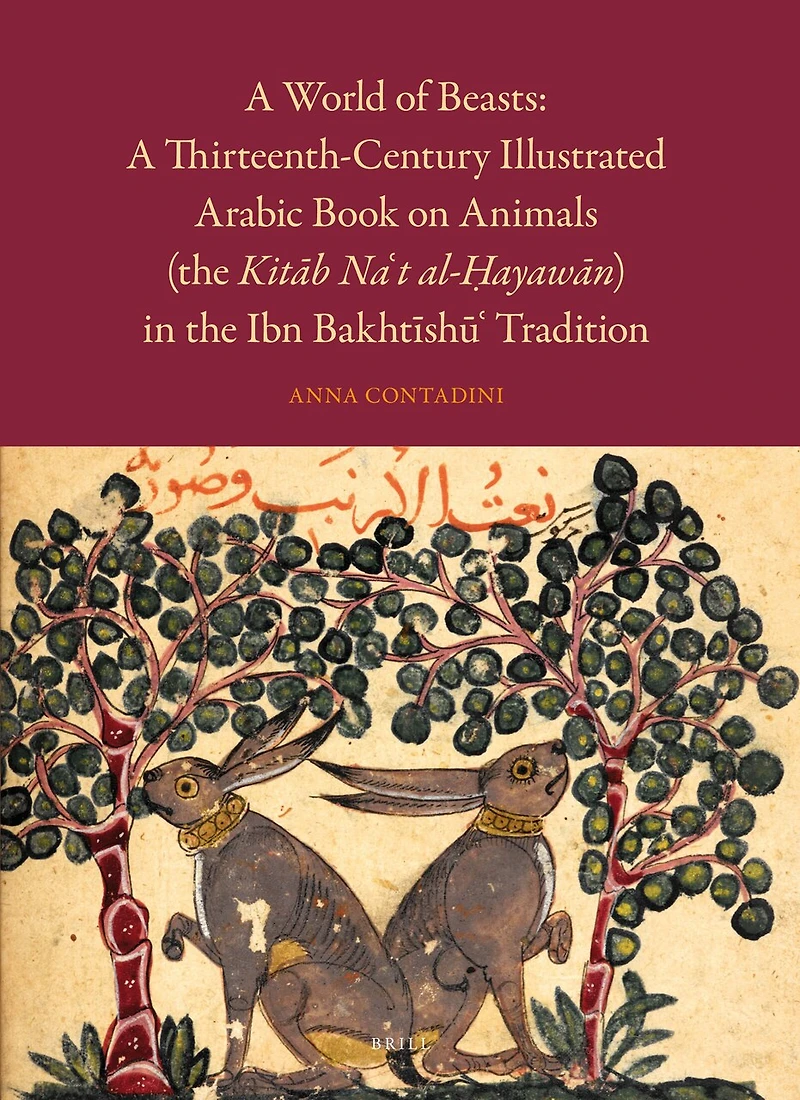
A World of Beasts: Thirteenth-Century Illustrated Arabic Book on Animals (the Kitāb Na‘t al-Ḥayawān) the Ibn Bakhtīshū‘ Tradition
Current price: $211.99

A World of Beasts: Thirteenth-Century Illustrated Arabic Book on Animals (the Kitāb Na‘t al-Ḥayawān) the Ibn Bakhtīshū‘ Tradition
Current price: $211.99
Loading Inventory...
Size: Hardcover
*Product information may vary - to confirm product availability, pricing, shipping and return information please contact Indigo
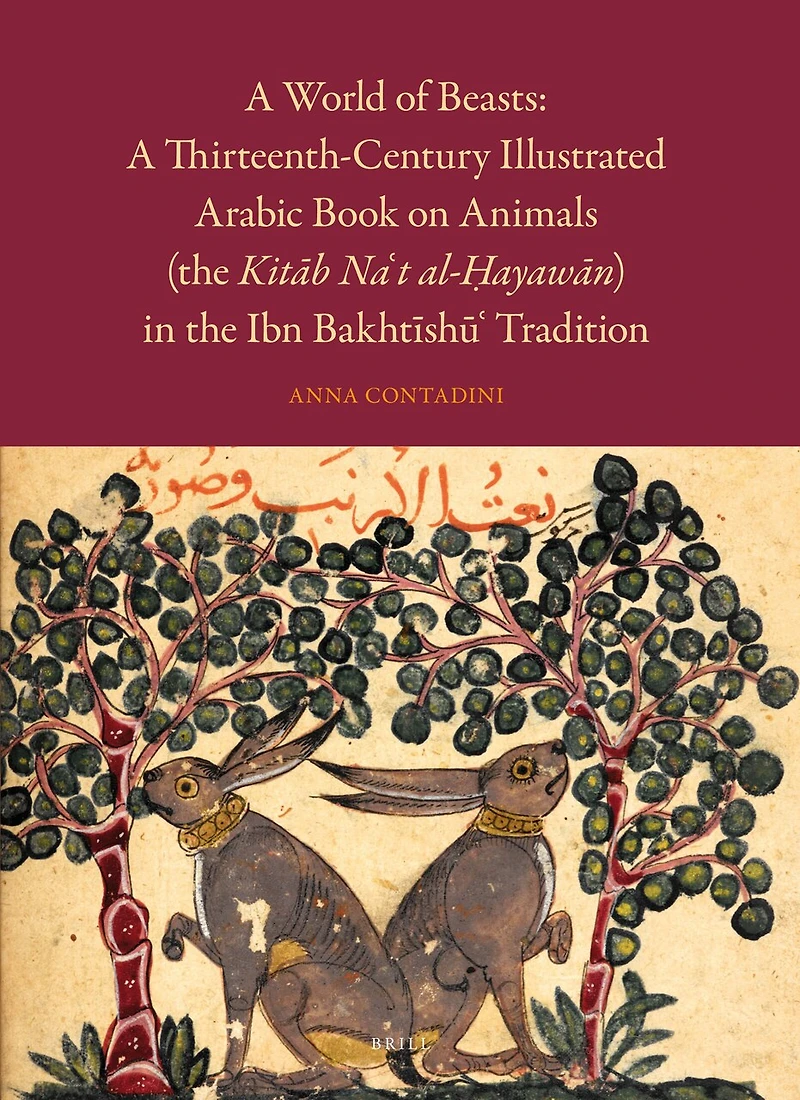
The Kitāb Naʿt al-Ḥayawān is the earliest of a group of illustrated manuscripts dealing with the characteristics of animals and their medicinal uses. The present study considers both the confluence of textual traditions within this work and the stylistic and iconographic relationships of its illustrations, which make it a key witness to early thirteenth-century Arab painting. After a re-evaluation of previous approaches, emphasis is placed on relating image to text, on stylistic affiliations, and on the modalities of production, supported by technical analyses undertaken for the first time. In elucidating the particular context of this unique manuscript, the study contributes to our understanding of a critical period in the development of Middle Eastern painting and art.
The Kitāb Naʿt al-Ḥayawān is the earliest of a group of illustrated manuscripts dealing with the characteristics of animals and their medicinal uses. The present study considers both the confluence of textual traditions within this work and the stylistic and iconographic relationships of its illustrations, which make it a key witness to early thirteenth-century Arab painting. After a re-evaluation of previous approaches, emphasis is placed on relating image to text, on stylistic affiliations, and on the modalities of production, supported by technical analyses undertaken for the first time. In elucidating the particular context of this unique manuscript, the study contributes to our understanding of a critical period in the development of Middle Eastern painting and art.
You May Also Like








More About Indigo at Erin Mills Town Centre
The largest book retailer in Canada also offers toys, music, home décor, gifts and lifestyle products. What's Inside...Books, Magazines, CD’s and DVD’s, Toys and Gifts, Home Accents, Electronics, Baby’s and Children’s Section, Bath and Body, Kitchen and Bedroom, Stationary Located outside in the exterior plaza.
5015 Glen Erin Dr, Mississauga, ON L5M 0R7, Canada
Find Indigo at Erin Mills Town Centre in Mississauga ON
Visit Indigo at Erin Mills Town Centre in Mississauga ON