

GIVE THE PERFECT GIFT
Erin Mills Town Centre Gift Cards are the perfect choice for your gift giving needs.Purchase gift cards at kiosks near the food court or centre court, at Guest Services, or click below to purchase online.PURCHASE HEREHome
Abandoned: Foundlings Nineteenth-Century New York City
Indigo
Loading Inventory...
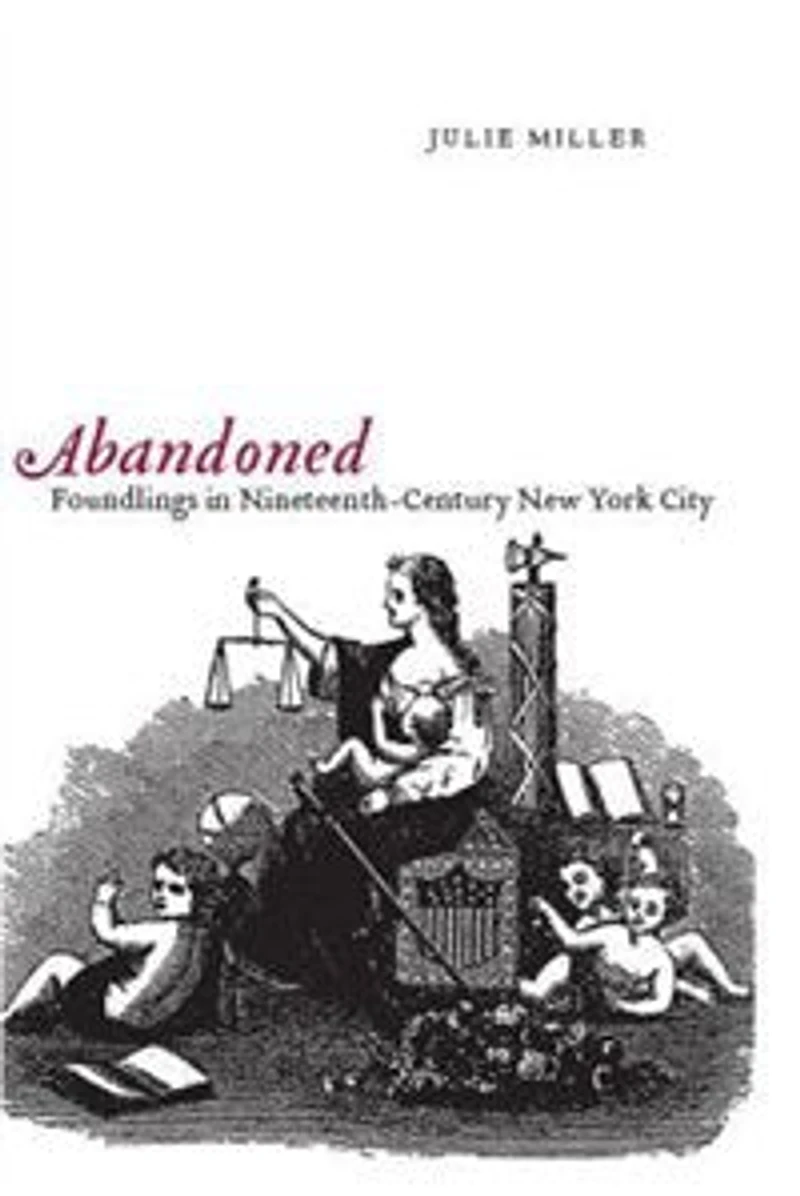
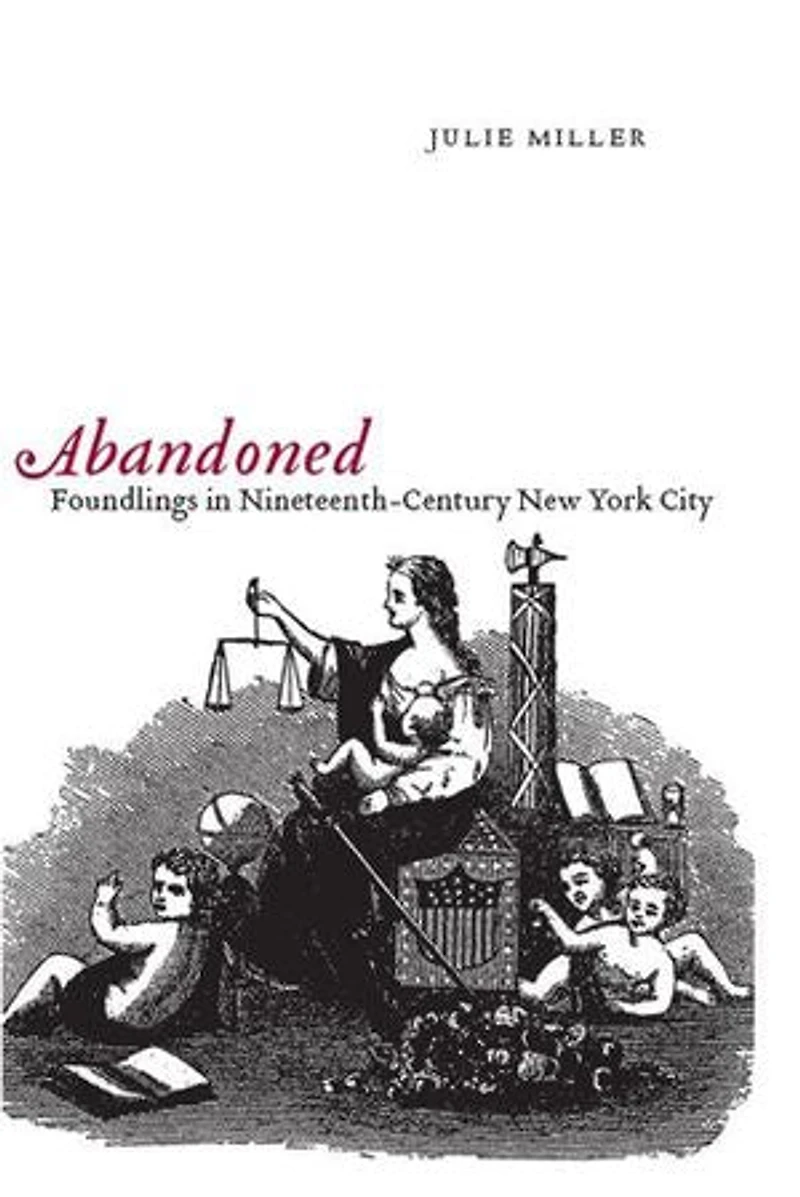
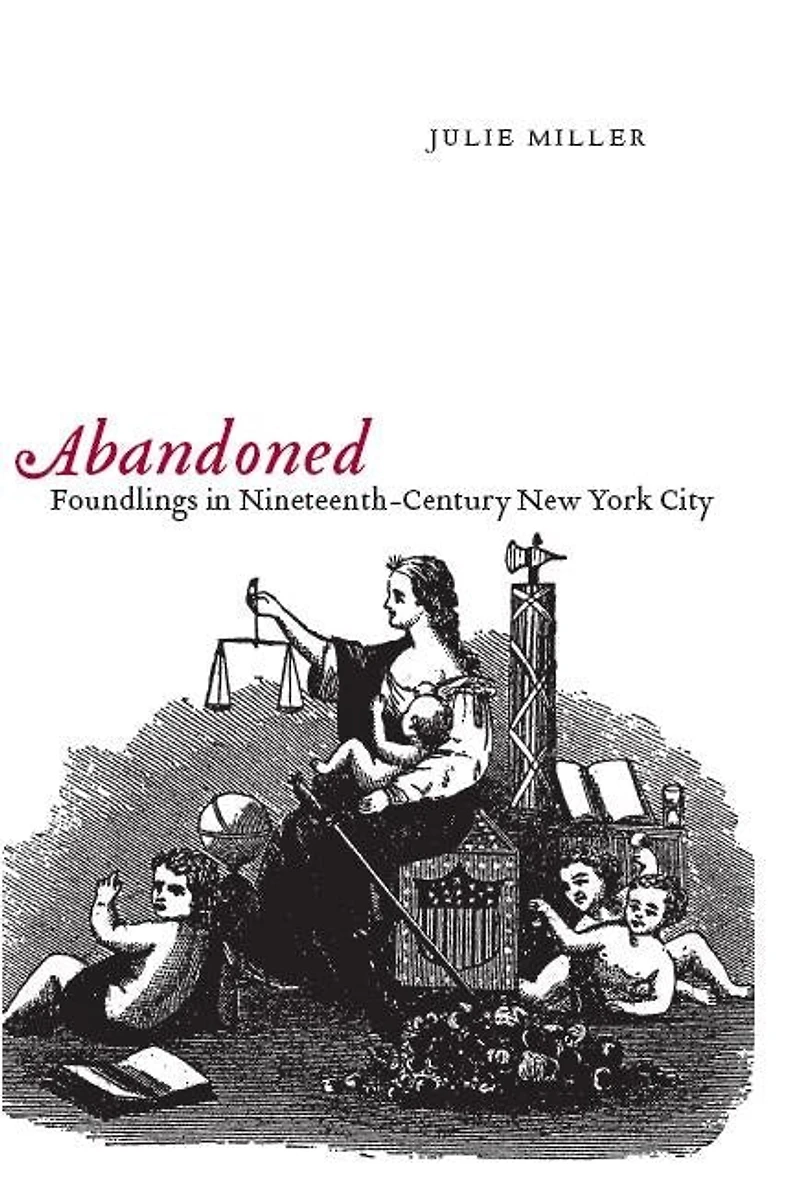
Abandoned: Foundlings Nineteenth-Century New York City
Current price: $137.53

Abandoned: Foundlings Nineteenth-Century New York City
Current price: $137.53
Loading Inventory...
Size: Hardcover
*Product information may vary - to confirm product availability, pricing, shipping and return information please contact Indigo
Two interesting items:
The author's article in New York Archives
A letter regarding foundlings in The Riverdale Press
In the nineteenth century, foundlings—children abandoned by their desperately poor, typically unmarried mothers, usually shortly after birth—were commonplace in European society. There were asylums in every major city to house abandoned babies, and writers made them the heroes of their fiction, most notably Charles Dickens's Oliver Twist. In American cities before the Civil War the situation was different, with foundlings relegated to the poorhouse instead of institutions designed specifically for their care. By the eve of the Civil War, New York City in particular had an epidemic of foundlings on its hands due to the rapid and often interlinked phenomena of urban development, population growth, immigration, and mass poverty. Only then did the city's leaders begin to worry about the welfare and future of its abandoned children.
In Abandoned , Julie Miller offers a fascinating, frustrating, and often heartbreaking history of a once devastating, now forgotten social problem that wracked America's biggest metropolis, New York City. Filled with anecdotes and personal stories, Miller traces the shift in attitudes toward foundlings from ignorance, apathy, and sometimes pity for the children and their mothers to that of recognition of the problem as a sign of urban moral decline and in need of systematic intervention. Assistance came from public officials and religious reformers who constructed four institutions: the Nursery and Child's Hospital's foundling asylum, the New York Infant Asylum, the New York Foundling Asylum, and the public Infant Hospital, located on Randall's Island in the East River.
Ultimately, the foundling asylums were unable to significantly improve children’s lives, and by the early twentieth century, three out of the four foundling asylums had closed, as adoption took the place of abandonment and foster care took the place of institutions. Today the word foundling has been largely forgotten. Fortunately, Abandoned rescues its history from obscurity.
Two interesting items:
The author's article in New York Archives
A letter regarding foundlings in The Riverdale Press
In the nineteenth century, foundlings—children abandoned by their desperately poor, typically unmarried mothers, usually shortly after birth—were commonplace in European society. There were asylums in every major city to house abandoned babies, and writers made them the heroes of their fiction, most notably Charles Dickens's Oliver Twist. In American cities before the Civil War the situation was different, with foundlings relegated to the poorhouse instead of institutions designed specifically for their care. By the eve of the Civil War, New York City in particular had an epidemic of foundlings on its hands due to the rapid and often interlinked phenomena of urban development, population growth, immigration, and mass poverty. Only then did the city's leaders begin to worry about the welfare and future of its abandoned children.
In Abandoned , Julie Miller offers a fascinating, frustrating, and often heartbreaking history of a once devastating, now forgotten social problem that wracked America's biggest metropolis, New York City. Filled with anecdotes and personal stories, Miller traces the shift in attitudes toward foundlings from ignorance, apathy, and sometimes pity for the children and their mothers to that of recognition of the problem as a sign of urban moral decline and in need of systematic intervention. Assistance came from public officials and religious reformers who constructed four institutions: the Nursery and Child's Hospital's foundling asylum, the New York Infant Asylum, the New York Foundling Asylum, and the public Infant Hospital, located on Randall's Island in the East River.
Ultimately, the foundling asylums were unable to significantly improve children’s lives, and by the early twentieth century, three out of the four foundling asylums had closed, as adoption took the place of abandonment and foster care took the place of institutions. Today the word foundling has been largely forgotten. Fortunately, Abandoned rescues its history from obscurity.
You May Also Like











More About Indigo at Erin Mills Town Centre
The largest book retailer in Canada also offers toys, music, home décor, gifts and lifestyle products. What's Inside...Books, Magazines, CD’s and DVD’s, Toys and Gifts, Home Accents, Electronics, Baby’s and Children’s Section, Bath and Body, Kitchen and Bedroom, Stationary Located outside in the exterior plaza.
5015 Glen Erin Dr, Mississauga, ON L5M 0R7, Canada
Find Indigo at Erin Mills Town Centre in Mississauga ON
Visit Indigo at Erin Mills Town Centre in Mississauga ON