

GIVE THE PERFECT GIFT
Erin Mills Town Centre Gift Cards are the perfect choice for your gift giving needs.Purchase gift cards at kiosks near the food court or centre court, at Guest Services, or click below to purchase online.PURCHASE HEREHome
Abandoned Women and Boudoir Resentment: The Construction of the Feminine Voice in Early Medieval Chinese Literature
Indigo
Loading Inventory...
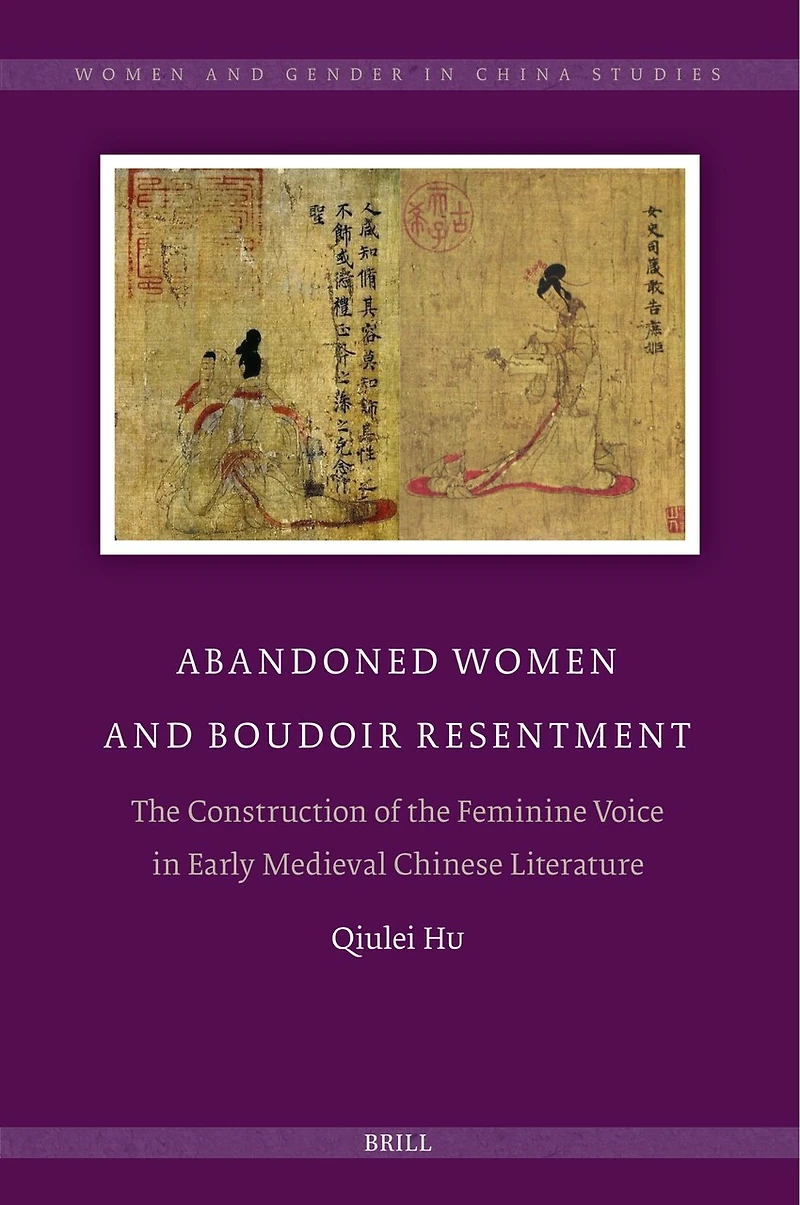
Abandoned Women and Boudoir Resentment: The Construction of the Feminine Voice in Early Medieval Chinese Literature
Current price: $144.99

Abandoned Women and Boudoir Resentment: The Construction of the Feminine Voice in Early Medieval Chinese Literature
Current price: $144.99
Loading Inventory...
Size: Hardcover
*Product information may vary - to confirm product availability, pricing, shipping and return information please contact Indigo
This book studies the formation of the male-constructed conventional voice of women in Chinese literature from the 3rd to 6th century.
It highlights specific moments during which the feminine voice became recognized, accepted, and stabilized, including the shift of focus from the performative to the textual in female representations; the formation of a male literary community; the popularity of romanticized historical narratives; and the emerging sense of literary history.
This study emphasizes the historicity of the feminine voice and strives to question and challenge established notions about textual stability, authorship, the literary canon, and literary history.
This book studies the formation of the male-constructed conventional voice of women in Chinese literature from the 3rd to 6th century.
It highlights specific moments during which the feminine voice became recognized, accepted, and stabilized, including the shift of focus from the performative to the textual in female representations; the formation of a male literary community; the popularity of romanticized historical narratives; and the emerging sense of literary history.
This study emphasizes the historicity of the feminine voice and strives to question and challenge established notions about textual stability, authorship, the literary canon, and literary history.
You May Also Like







More About Indigo at Erin Mills Town Centre
The largest book retailer in Canada also offers toys, music, home décor, gifts and lifestyle products. What's Inside...Books, Magazines, CD’s and DVD’s, Toys and Gifts, Home Accents, Electronics, Baby’s and Children’s Section, Bath and Body, Kitchen and Bedroom, Stationary Located outside in the exterior plaza.
5015 Glen Erin Dr, Mississauga, ON L5M 0R7, Canada
Find Indigo at Erin Mills Town Centre in Mississauga ON
Visit Indigo at Erin Mills Town Centre in Mississauga ON