

GIVE THE PERFECT GIFT
Erin Mills Town Centre Gift Cards are the perfect choice for your gift giving needs.Purchase gift cards at kiosks near the food court or centre court, at Guest Services, or click below to purchase online.PURCHASE HEREHome
Abolition and Plantation Management in Jamaica
Indigo
Loading Inventory...
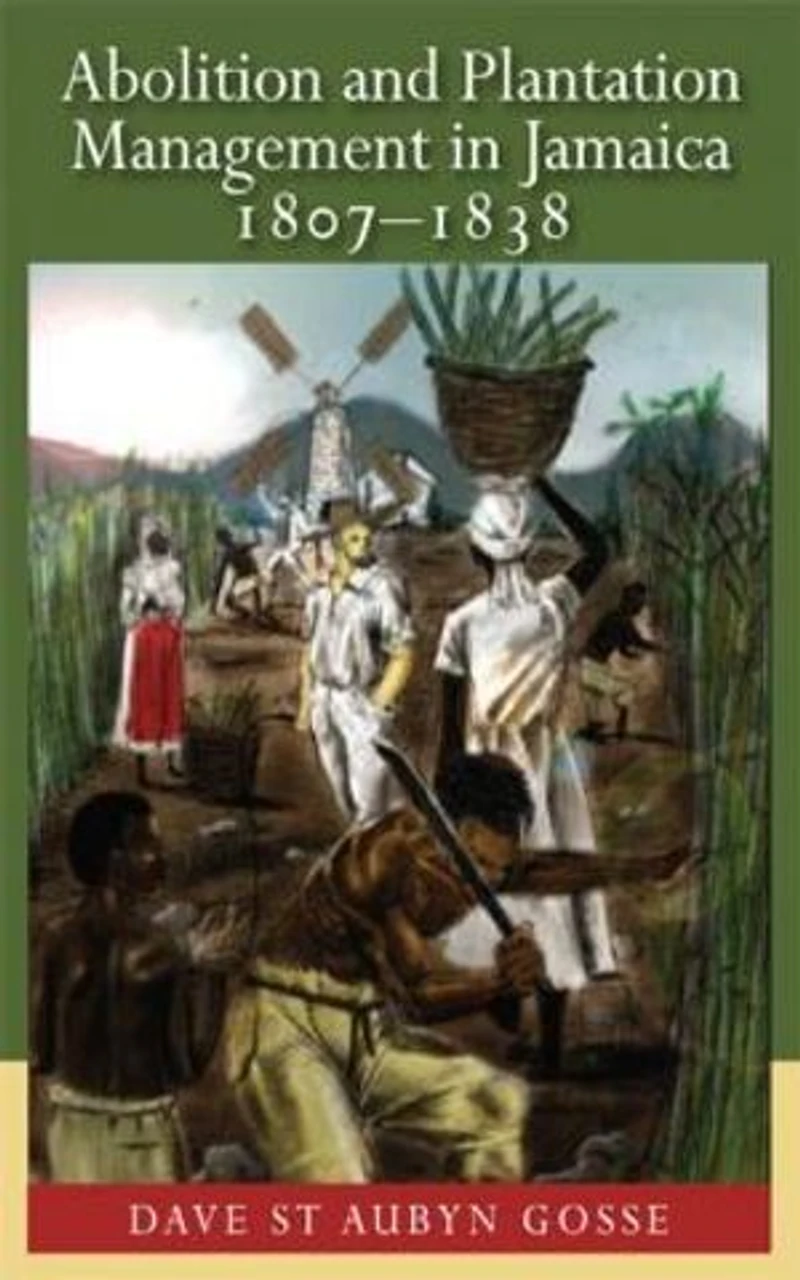
Abolition and Plantation Management in Jamaica
Current price: $10.89
Original price: $13.56

Abolition and Plantation Management in Jamaica
Current price: $10.89
Original price: $13.56
Loading Inventory...
Size: Kobo eBook
*Product information may vary - to confirm product availability, pricing, shipping and return information please contact Indigo
The British Parliament’s decision to abolish the slave trade in 1807 had disastrous implications for plantation societies, such as Jamaica, in regards to the health and the labour of the enslaved population. Many of the Jamaican sugar planters could not accept the fact that the 1807 Abolition Act was a watershed moment which demanded a more conciliatory form of management and a willingness to implement critical labour reforms, such as task work. The failure to introduce these necessary internal reforms resulted in the continuing decline in the plantations’ crude production figures and in their productivity levels, despite the introduction of steam engines on many estates. The numerical strength of the enslaved population was also decreasing, and most important the health of the enslaved Africans was seriously declining. The planters’ failure to also eliminate their ambiguous management structure further hastened their own demise and the profitability of slavery in Jamaica.
The British Parliament’s decision to abolish the slave trade in 1807 had disastrous implications for plantation societies, such as Jamaica, in regards to the health and the labour of the enslaved population. Many of the Jamaican sugar planters could not accept the fact that the 1807 Abolition Act was a watershed moment which demanded a more conciliatory form of management and a willingness to implement critical labour reforms, such as task work. The failure to introduce these necessary internal reforms resulted in the continuing decline in the plantations’ crude production figures and in their productivity levels, despite the introduction of steam engines on many estates. The numerical strength of the enslaved population was also decreasing, and most important the health of the enslaved Africans was seriously declining. The planters’ failure to also eliminate their ambiguous management structure further hastened their own demise and the profitability of slavery in Jamaica.
You May Also Like







More About Indigo at Erin Mills Town Centre
The largest book retailer in Canada also offers toys, music, home décor, gifts and lifestyle products. What's Inside...Books, Magazines, CD’s and DVD’s, Toys and Gifts, Home Accents, Electronics, Baby’s and Children’s Section, Bath and Body, Kitchen and Bedroom, Stationary Located outside in the exterior plaza.
5015 Glen Erin Dr, Mississauga, ON L5M 0R7, Canada
Find Indigo at Erin Mills Town Centre in Mississauga ON
Visit Indigo at Erin Mills Town Centre in Mississauga ON