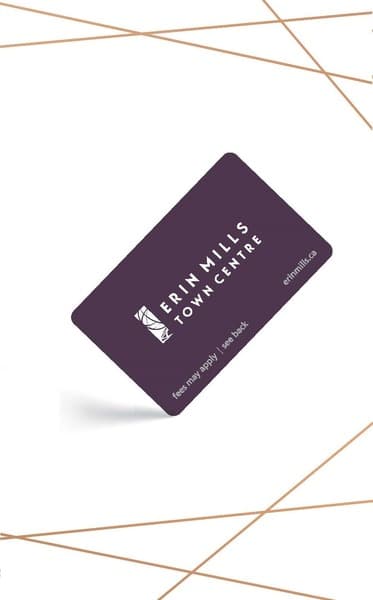
Erin Mills Town Centre Gift Cards are the perfect choice for your gift giving needs.Purchase gift cards at kiosks near the food court or centre court, at Guest Services, or click below to purchase online.PURCHASE HERE
Indigo Abolitionism and the Civil War in Southwestern Illinois | Erin Mills Town Centre
*Product information may vary - to confirm product availability, pricing, shipping and return information please contact Indigo
Southwestern Illinois played a fierce and pivotal role in the national drama of a house divided against itself. St. Clair County sheltered Brooklyn, founded by freed and fugitive slaves and a vital link on the Underground Railroad. Alton was the home of Elijah Lovejoy, gunned down defending his press from an anti-abolitionist mob, as well as Lyman Trumbull, who wrote the Thirteenth Amendment. After the outbreak of war, Alton s prison was packed with thousands of Confederate captives, a smallpox epidemic and the cross-dressing double agent Mary Anne Pitman. John J. Dunphy continues the story of the Civil War and abolitionism beyond the Emancipation Proclamation and Appomattox, seeking out the enduring legacy those struggles left in his corner of Illinois."
Southwestern Illinois played a fierce and pivotal role in the national drama of a house divided against itself. St. Clair County sheltered Brooklyn, founded by freed and fugitive slaves and a vital link on the Underground Railroad. Alton was the home of Elijah Lovejoy, gunned down defending his press from an anti-abolitionist mob, as well as Lyman Trumbull, who wrote the Thirteenth Amendment. After the outbreak of war, Alton s prison was packed with thousands of Confederate captives, a smallpox epidemic and the cross-dressing double agent Mary Anne Pitman. John J. Dunphy continues the story of the Civil War and abolitionism beyond the Emancipation Proclamation and Appomattox, seeking out the enduring legacy those struggles left in his corner of Illinois."
The largest book retailer in Canada also offers toys, music, home décor, gifts and lifestyle products. What's Inside...Books, Magazines, CD’s and DVD’s, Toys and Gifts, Home Accents, Electronics, Baby’s and Children’s Section, Bath and Body, Kitchen and Bedroom, Stationary Located outside in the exterior plaza.