

GIVE THE PERFECT GIFT
Erin Mills Town Centre Gift Cards are the perfect choice for your gift giving needs.Purchase gift cards at kiosks near the food court or centre court, at Guest Services, or click below to purchase online.PURCHASE HEREHome
Absence the Archives
Indigo
Loading Inventory...
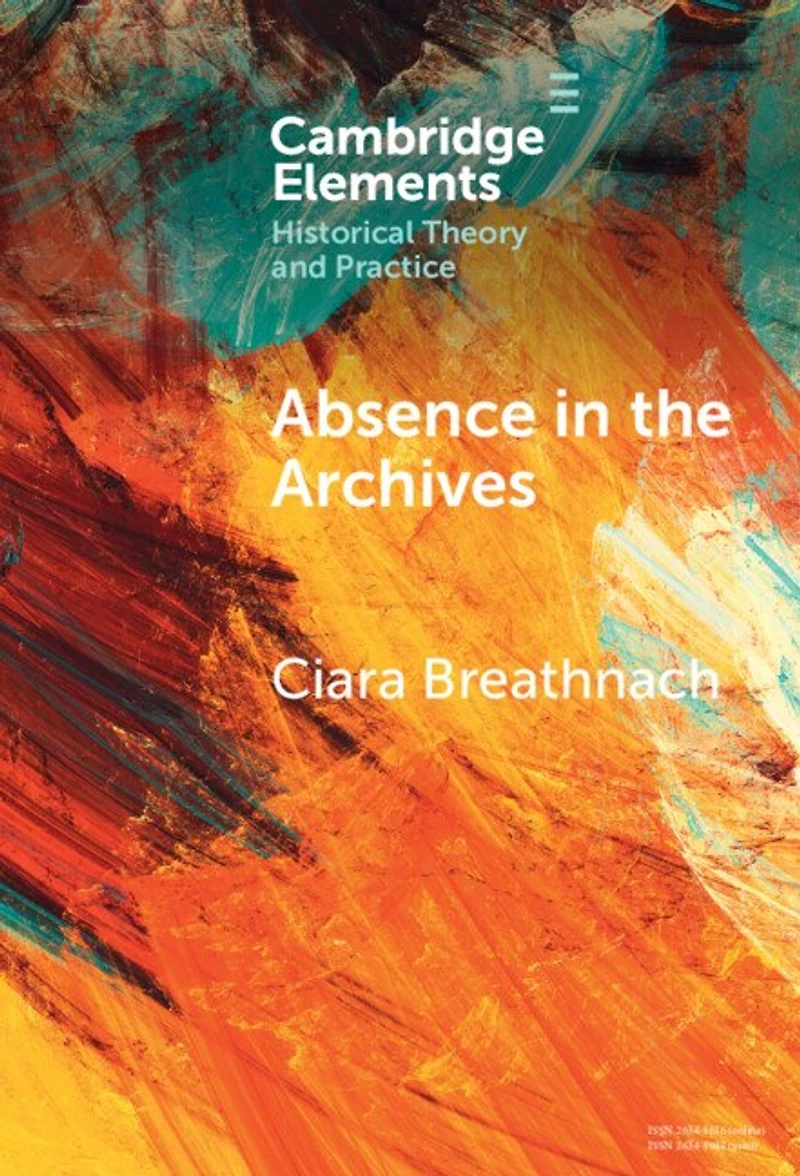
Absence the Archives
Current price: $94.73

Absence the Archives
Current price: $94.73
Loading Inventory...
Size: Hardcover
*Product information may vary - to confirm product availability, pricing, shipping and return information please contact Indigo
Absence in official records can have profound implications for social memory, civil rights, restorative and transitional justice, citizenship, social welfare, and redress for historical abuse. Scholars of archivistics and early modern New World imperial contexts have uncovered the epistemological problems that archival silences pose for historical research, and I contend that absence deserves separate conceptual treatment. Archival absences, both permanent and temporary, have particular resonances for post-colonial countries, and is an ongoing threat under totalitarian regimes. Using Britain and Ireland as primary examples, this Element traces how absence took root in the domestic and subsequently the colonial archive, and how through legal mechanisms it became an accepted part of archival praxis. The aim of this Element is to raise awareness of archival absence in order to prevent more losses, particularly in the abundance of the digital age. This title is also available as Open Access on Cambridge Core.
Absence in official records can have profound implications for social memory, civil rights, restorative and transitional justice, citizenship, social welfare, and redress for historical abuse. Scholars of archivistics and early modern New World imperial contexts have uncovered the epistemological problems that archival silences pose for historical research, and I contend that absence deserves separate conceptual treatment. Archival absences, both permanent and temporary, have particular resonances for post-colonial countries, and is an ongoing threat under totalitarian regimes. Using Britain and Ireland as primary examples, this Element traces how absence took root in the domestic and subsequently the colonial archive, and how through legal mechanisms it became an accepted part of archival praxis. The aim of this Element is to raise awareness of archival absence in order to prevent more losses, particularly in the abundance of the digital age. This title is also available as Open Access on Cambridge Core.











More About Indigo at Erin Mills Town Centre
The largest book retailer in Canada also offers toys, music, home décor, gifts and lifestyle products. What's Inside...Books, Magazines, CD’s and DVD’s, Toys and Gifts, Home Accents, Electronics, Baby’s and Children’s Section, Bath and Body, Kitchen and Bedroom, Stationary Located outside in the exterior plaza.
5015 Glen Erin Dr, Mississauga, ON L5M 0R7, Canada
Find Indigo at Erin Mills Town Centre in Mississauga ON
Visit Indigo at Erin Mills Town Centre in Mississauga ON