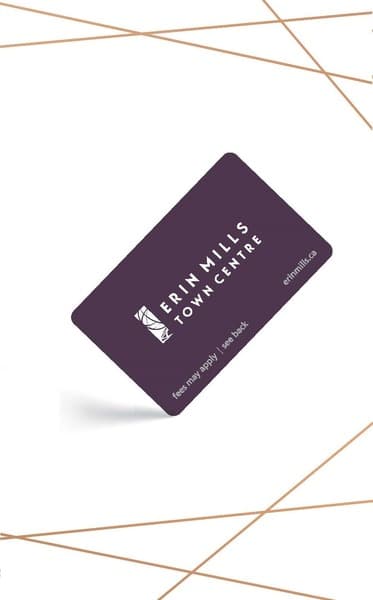
Erin Mills Town Centre Gift Cards are the perfect choice for your gift giving needs.Purchase gift cards at kiosks near the food court or centre court, at Guest Services, or click below to purchase online.PURCHASE HERE
Indigo Achieving net zero dairy farming | Erin Mills Town Centre
*Product information may vary - to confirm product availability, pricing, shipping and return information please contact Indigo
To meet the targets outlined in the 2015 Paris Agreement, many countries are actively working towards reaching climate neutrality and achieving net zero by 2050. With the livestock sector estimated to contribute approximately 11-17% of global greenhouse gas emissions, more research and innovation is required to understand the cause of these emissions and how they can be reduced.
Achieving net zero dairy farming provides a detailed insight into the fundamental processes within the dairy cow and those that occur on dairy farms that contribute to and reduce greenhouse gas emissions. The book also considers the range of strategies which can be implemented to support the transition to net zero, including improving housing and housing management, supplementing diets with methane-inhibiting feed additives and optimising manure/slurry application.
To meet the targets outlined in the 2015 Paris Agreement, many countries are actively working towards reaching climate neutrality and achieving net zero by 2050. With the livestock sector estimated to contribute approximately 11-17% of global greenhouse gas emissions, more research and innovation is required to understand the cause of these emissions and how they can be reduced.
Achieving net zero dairy farming provides a detailed insight into the fundamental processes within the dairy cow and those that occur on dairy farms that contribute to and reduce greenhouse gas emissions. The book also considers the range of strategies which can be implemented to support the transition to net zero, including improving housing and housing management, supplementing diets with methane-inhibiting feed additives and optimising manure/slurry application.
The largest book retailer in Canada also offers toys, music, home décor, gifts and lifestyle products. What's Inside...Books, Magazines, CD’s and DVD’s, Toys and Gifts, Home Accents, Electronics, Baby’s and Children’s Section, Bath and Body, Kitchen and Bedroom, Stationary Located outside in the exterior plaza.