

GIVE THE PERFECT GIFT
Erin Mills Town Centre Gift Cards are the perfect choice for your gift giving needs.Purchase gift cards at kiosks near the food court or centre court, at Guest Services, or click below to purchase online.PURCHASE HEREHome
Action, Action: The Early Cinema of Raoul Walsh
Indigo
Loading Inventory...
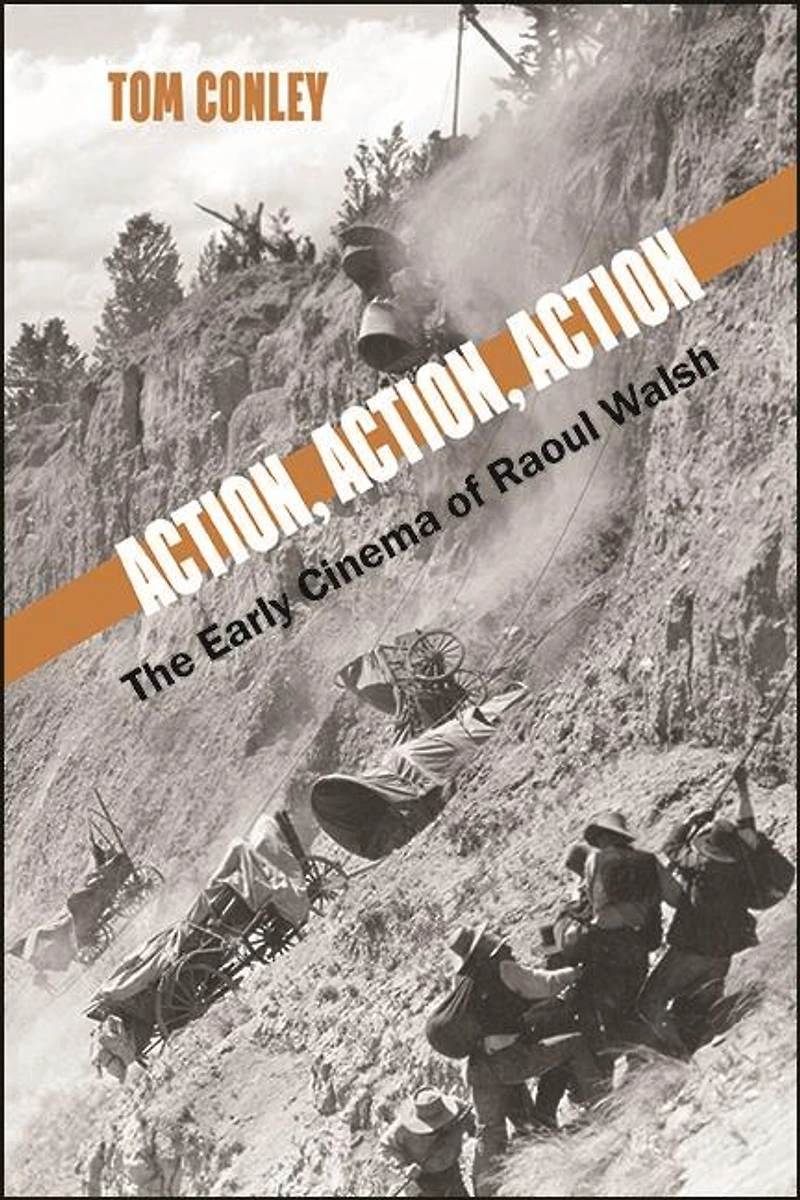
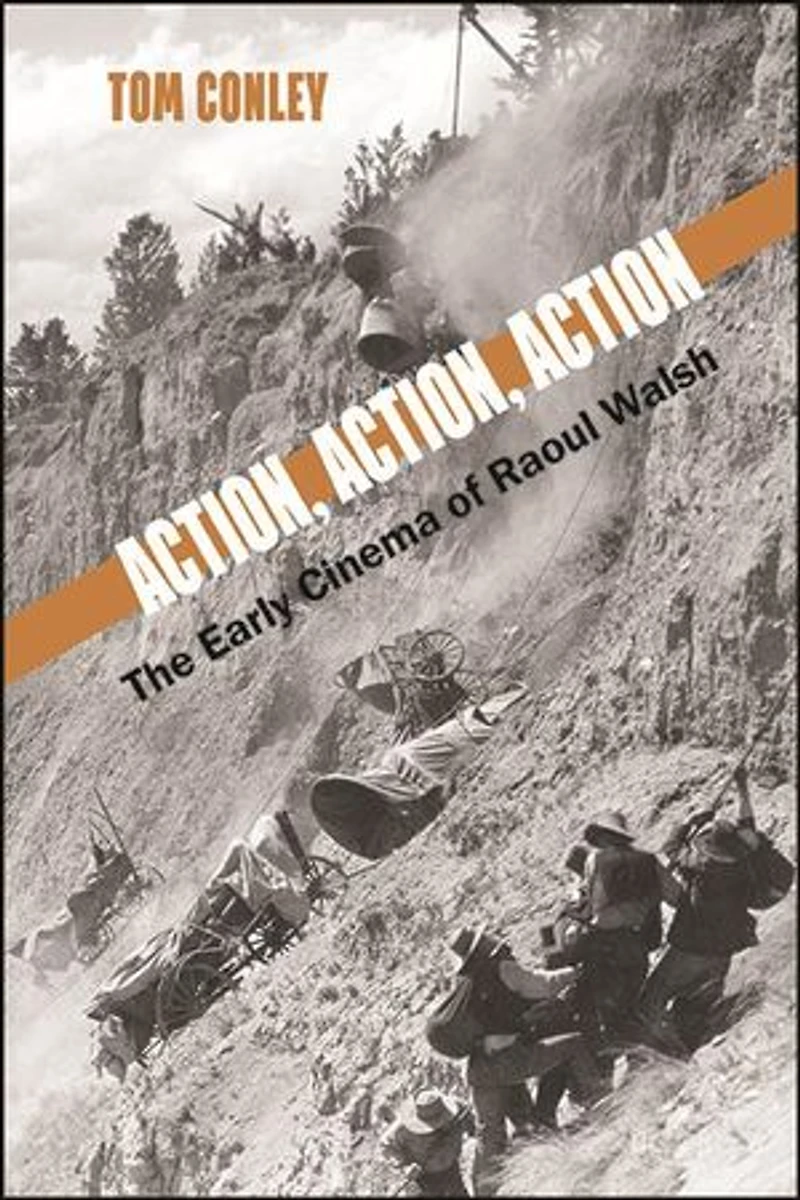
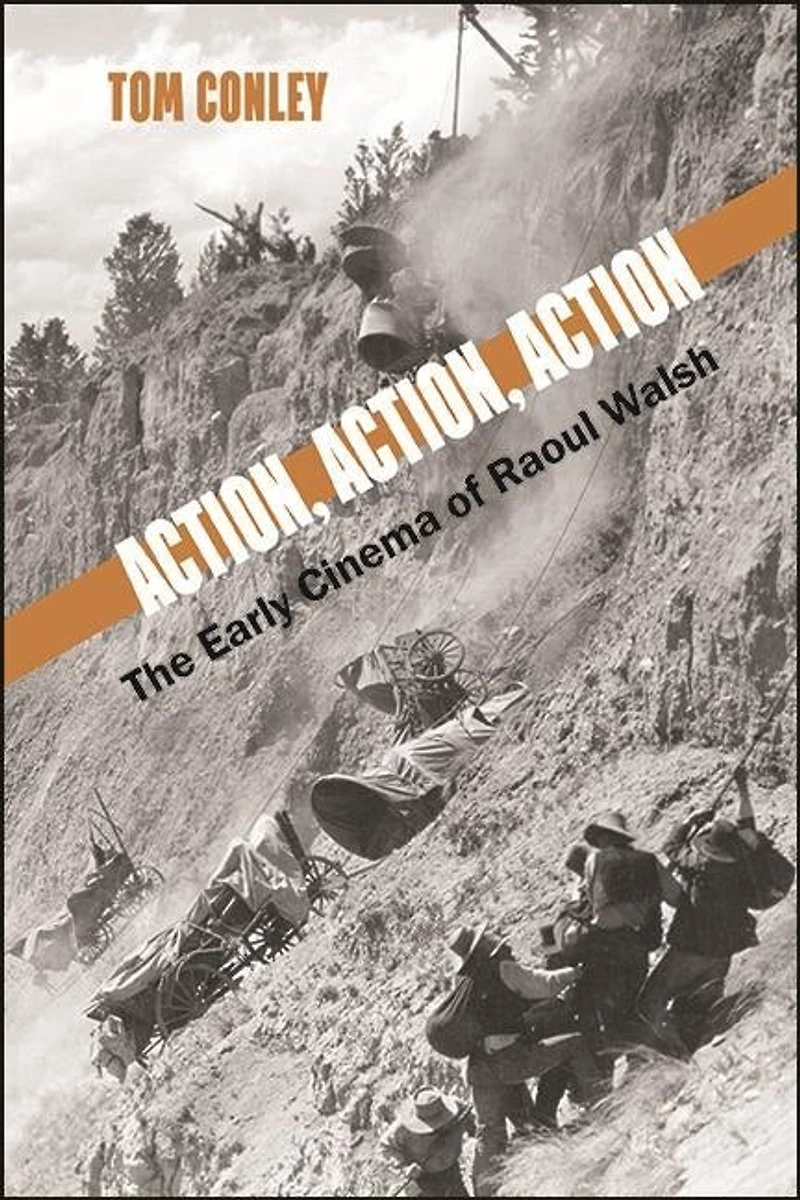
Action, Action: The Early Cinema of Raoul Walsh
Current price: $135.95

Action, Action: The Early Cinema of Raoul Walsh
Current price: $135.95
Loading Inventory...
Size: Hardcover
*Product information may vary - to confirm product availability, pricing, shipping and return information please contact Indigo
Director of over 150 films from 1912 to 1964, Raoul Walsh was a core figure in Hollywood from its beginnings to the end of the studio system. Perhaps best known for such films as
(starring John Wayne in his first leading role),
, and
, Walsh cut his teeth under D. W. Griffith, and, like his contemporary John Ford, found a style and signature in his silent cinema and early talkies. Through close analysis of seven of his films, six shot between 1915 and 1933 and one a remake from 1956, and stressing the visual character of their settings and situations, Tom Conley examines how composition and montage-or action-often overtake the crisp narratives these films convey. Rife with contradiction, they ask us to see what makes them possible and how they contend with prevailing codes. Films discussed include
(1915);
(1928) and a likely avatar,
(1956);
(1929);
(1930);
(1932); and
(1933).
Director of over 150 films from 1912 to 1964, Raoul Walsh was a core figure in Hollywood from its beginnings to the end of the studio system. Perhaps best known for such films as
(starring John Wayne in his first leading role),
, and
, Walsh cut his teeth under D. W. Griffith, and, like his contemporary John Ford, found a style and signature in his silent cinema and early talkies. Through close analysis of seven of his films, six shot between 1915 and 1933 and one a remake from 1956, and stressing the visual character of their settings and situations, Tom Conley examines how composition and montage-or action-often overtake the crisp narratives these films convey. Rife with contradiction, they ask us to see what makes them possible and how they contend with prevailing codes. Films discussed include
(1915);
(1928) and a likely avatar,
(1956);
(1929);
(1930);
(1932); and
(1933).
You May Also Like







More About Indigo at Erin Mills Town Centre
The largest book retailer in Canada also offers toys, music, home décor, gifts and lifestyle products. What's Inside...Books, Magazines, CD’s and DVD’s, Toys and Gifts, Home Accents, Electronics, Baby’s and Children’s Section, Bath and Body, Kitchen and Bedroom, Stationary Located outside in the exterior plaza.
5015 Glen Erin Dr, Mississauga, ON L5M 0R7, Canada
Find Indigo at Erin Mills Town Centre in Mississauga ON
Visit Indigo at Erin Mills Town Centre in Mississauga ON