

GIVE THE PERFECT GIFT
Erin Mills Town Centre Gift Cards are the perfect choice for your gift giving needs.Purchase gift cards at kiosks near the food court or centre court, at Guest Services, or click below to purchase online.PURCHASE HEREHome
Acts of Aid: Politics of Relief and Reconstruction in the 1934 Bihar–Nepal Earthquake
Indigo
Loading Inventory...
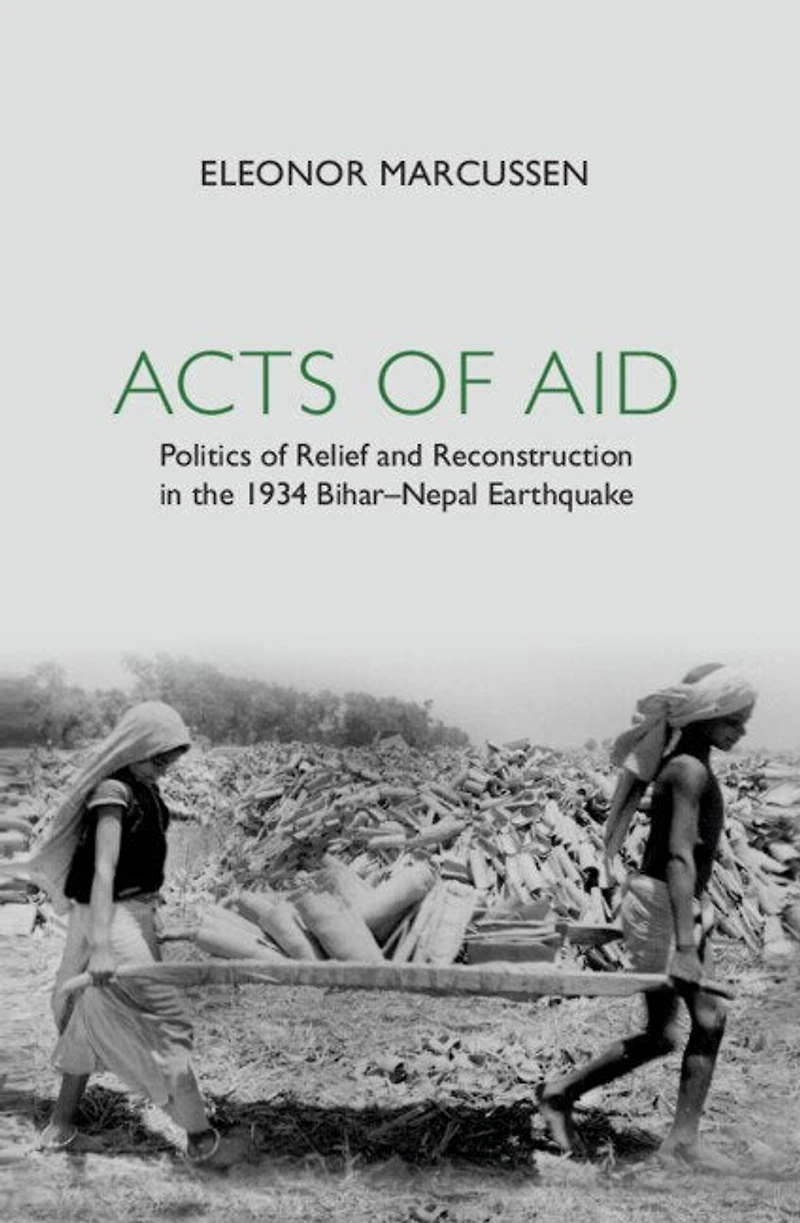
Acts of Aid: Politics of Relief and Reconstruction in the 1934 Bihar–Nepal Earthquake
Current price: $144.95

Acts of Aid: Politics of Relief and Reconstruction in the 1934 Bihar–Nepal Earthquake
Current price: $144.95
Loading Inventory...
Size: Hardcover
*Product information may vary - to confirm product availability, pricing, shipping and return information please contact Indigo
This socio-political history on the aftermath of the 1934 Bihar–Nepal earthquake explores disaster aid, relief, and reconstruction and the questions they give rise to about class, communities and inequality. The book traces disaster responses across the twentieth century in order to demonstrate how they were embedded in political processes transcending the event of the earthquake. Aid, relief and reconstruction mirrored political agendas and ideas that articulated both changes and continuities by the colonial state, civil society and international organisations. The impact of the earthquake and aid in its wake varied widely according to social groups, ethnicity and gender in the aftermath. By studying the effects of the earthquake on communities directly affected and society, the author argues that we can come closer to an understanding of the role political, social and cultural factors held in shaping resilience to natural disasters. This title is also available as Open Access on Cambridge Core.
This socio-political history on the aftermath of the 1934 Bihar–Nepal earthquake explores disaster aid, relief, and reconstruction and the questions they give rise to about class, communities and inequality. The book traces disaster responses across the twentieth century in order to demonstrate how they were embedded in political processes transcending the event of the earthquake. Aid, relief and reconstruction mirrored political agendas and ideas that articulated both changes and continuities by the colonial state, civil society and international organisations. The impact of the earthquake and aid in its wake varied widely according to social groups, ethnicity and gender in the aftermath. By studying the effects of the earthquake on communities directly affected and society, the author argues that we can come closer to an understanding of the role political, social and cultural factors held in shaping resilience to natural disasters. This title is also available as Open Access on Cambridge Core.
You May Also Like










More About Indigo at Erin Mills Town Centre
The largest book retailer in Canada also offers toys, music, home décor, gifts and lifestyle products. What's Inside...Books, Magazines, CD’s and DVD’s, Toys and Gifts, Home Accents, Electronics, Baby’s and Children’s Section, Bath and Body, Kitchen and Bedroom, Stationary Located outside in the exterior plaza.
5015 Glen Erin Dr, Mississauga, ON L5M 0R7, Canada
Find Indigo at Erin Mills Town Centre in Mississauga ON
Visit Indigo at Erin Mills Town Centre in Mississauga ON