

GIVE THE PERFECT GIFT
Erin Mills Town Centre Gift Cards are the perfect choice for your gift giving needs.Purchase gift cards at kiosks near the food court or centre court, at Guest Services, or click below to purchase online.PURCHASE HEREHome
Actual Consciousness
Indigo
Loading Inventory...

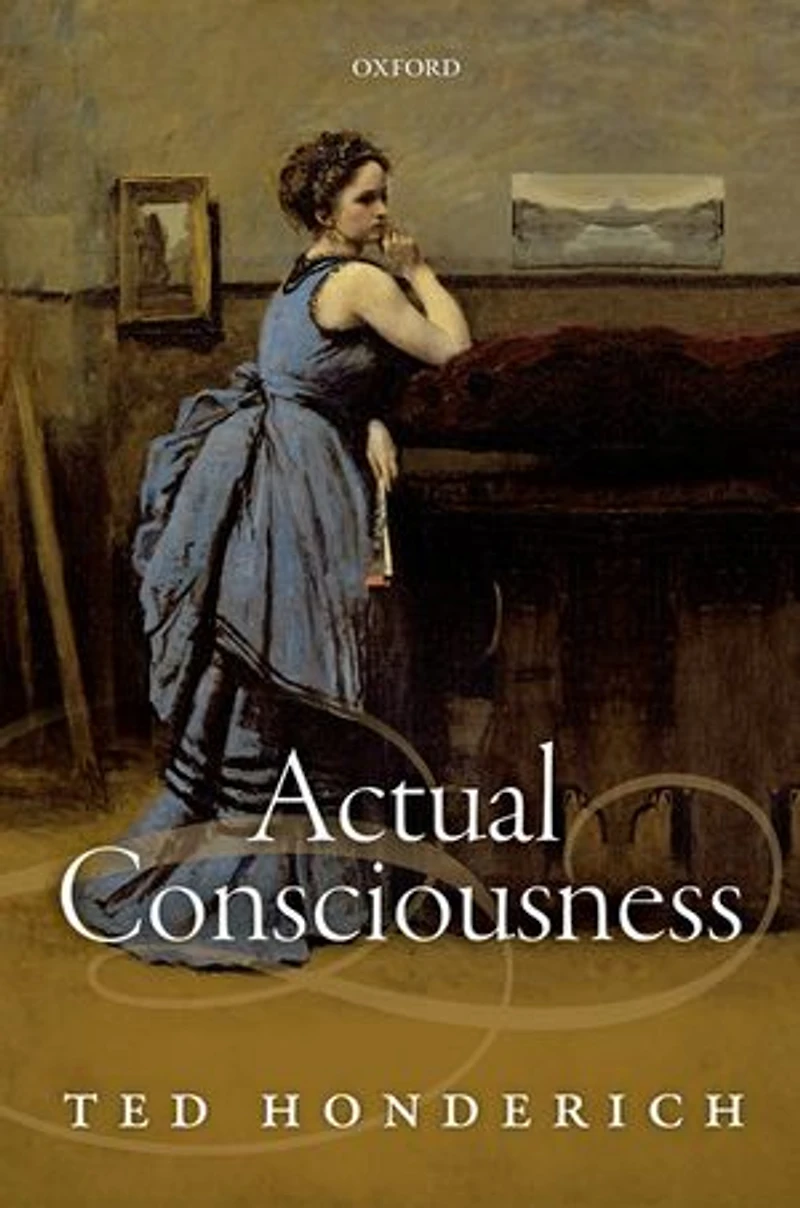
Actual Consciousness
Current price: $55.00

Actual Consciousness
Current price: $55.00
Loading Inventory...
Size: Hardcover
*Product information may vary - to confirm product availability, pricing, shipping and return information please contact Indigo
What is it for you to be conscious? There is no agreement whatever in philosophy or science: it has remained a hard problem, a mystery. Is this partly or mainly owed to the existing theories not even having the same subject, not answering the same question? In Actual Consciousness, Ted Honderich sets out to supersede dualisms, objective physicalisms, abstract functionalism, externalisms, and other positions in the debate. He argues that the theory of Actualism, right or wrong, is unprecedented, in nine ways. (1) It begins from gathered data and proceeds to an adequate initial clarification of consciousness in the primary ordinary sense. This consciousness is summed up as something's being actual. (2) Like basic science, Actualism proceeds from this metaphorical or figurative beginning to what is wholly literal and explicit--constructed answers to the questions of what is actual and what it is for it to be actual. (3) In so doing, the theory respects the differences of consciousness within perception, consciousness that is thinking in a generic sense, and consciousness that is generic wanting. (4) What is actual with your perceptual consciousness is a subjective physical world out there, very likely a room, differently real from the objective physical world, that other division of the physical world. (5) What it is for the myriad subjective physical worlds to be actual is for them to be subjectively physical, which is exhaustively characterized. (6) What is actual with cognitive and affective consciousness is affirmed or valued representations. The representations being actual, which is essential to their nature, is their being differently subjectively physical from the subjective physical worlds. (7) Actualism, naturally enough when you think of it, but unlike any other existing general theory of consciousness, is thus externalist with perceptual consciousness but internalist with respect to cognitive and affective consciousness. (8) It satisfies rigorous criteria got from examination of the failures of the existing theories. In particular, it explains the role of subjectivity in thinking about consciousness, including a special subjectivity that is individuality. (9) Philosophers and scientists have regularly said that thinking about consciousness requires just giving up the old stuff and starting again. Actualism does this. Science is served by this main line philosophy, which is concentration on the logic of ordinary intelligence--clarity, consistency and validity, completeness, generality.
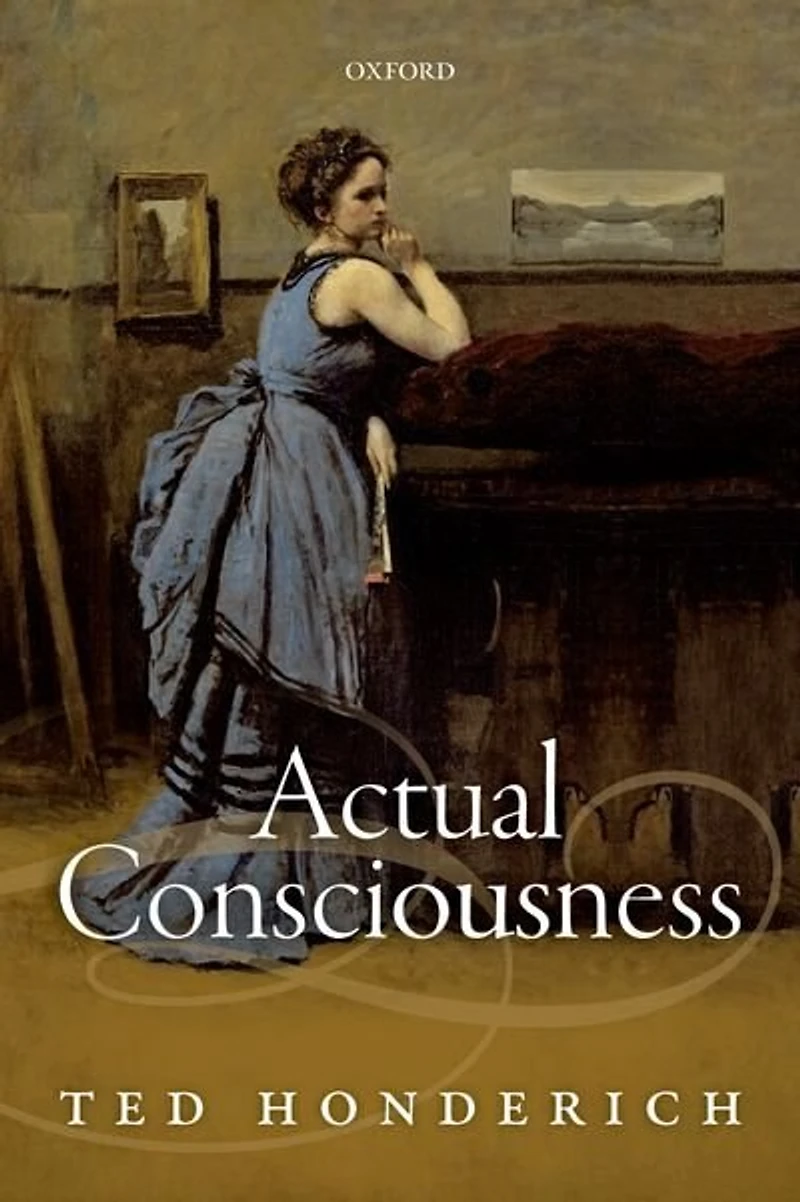
What is it for you to be conscious? There is no agreement whatever in philosophy or science: it has remained a hard problem, a mystery. Is this partly or mainly owed to the existing theories not even having the same subject, not answering the same question? In Actual Consciousness, Ted Honderich sets out to supersede dualisms, objective physicalisms, abstract functionalism, externalisms, and other positions in the debate. He argues that the theory of Actualism, right or wrong, is unprecedented, in nine ways. (1) It begins from gathered data and proceeds to an adequate initial clarification of consciousness in the primary ordinary sense. This consciousness is summed up as something's being actual. (2) Like basic science, Actualism proceeds from this metaphorical or figurative beginning to what is wholly literal and explicit--constructed answers to the questions of what is actual and what it is for it to be actual. (3) In so doing, the theory respects the differences of consciousness within perception, consciousness that is thinking in a generic sense, and consciousness that is generic wanting. (4) What is actual with your perceptual consciousness is a subjective physical world out there, very likely a room, differently real from the objective physical world, that other division of the physical world. (5) What it is for the myriad subjective physical worlds to be actual is for them to be subjectively physical, which is exhaustively characterized. (6) What is actual with cognitive and affective consciousness is affirmed or valued representations. The representations being actual, which is essential to their nature, is their being differently subjectively physical from the subjective physical worlds. (7) Actualism, naturally enough when you think of it, but unlike any other existing general theory of consciousness, is thus externalist with perceptual consciousness but internalist with respect to cognitive and affective consciousness. (8) It satisfies rigorous criteria got from examination of the failures of the existing theories. In particular, it explains the role of subjectivity in thinking about consciousness, including a special subjectivity that is individuality. (9) Philosophers and scientists have regularly said that thinking about consciousness requires just giving up the old stuff and starting again. Actualism does this. Science is served by this main line philosophy, which is concentration on the logic of ordinary intelligence--clarity, consistency and validity, completeness, generality.
You May Also Like












More About Indigo at Erin Mills Town Centre
The largest book retailer in Canada also offers toys, music, home décor, gifts and lifestyle products. What's Inside...Books, Magazines, CD’s and DVD’s, Toys and Gifts, Home Accents, Electronics, Baby’s and Children’s Section, Bath and Body, Kitchen and Bedroom, Stationary Located outside in the exterior plaza.
5015 Glen Erin Dr, Mississauga, ON L5M 0R7, Canada
Find Indigo at Erin Mills Town Centre in Mississauga ON
Visit Indigo at Erin Mills Town Centre in Mississauga ON