

GIVE THE PERFECT GIFT
Erin Mills Town Centre Gift Cards are the perfect choice for your gift giving needs.Purchase gift cards at kiosks near the food court or centre court, at Guest Services, or click below to purchase online.PURCHASE HEREHome
Acute Spontaneous Posterior Fossa Haemorrhage
Indigo
Loading Inventory...
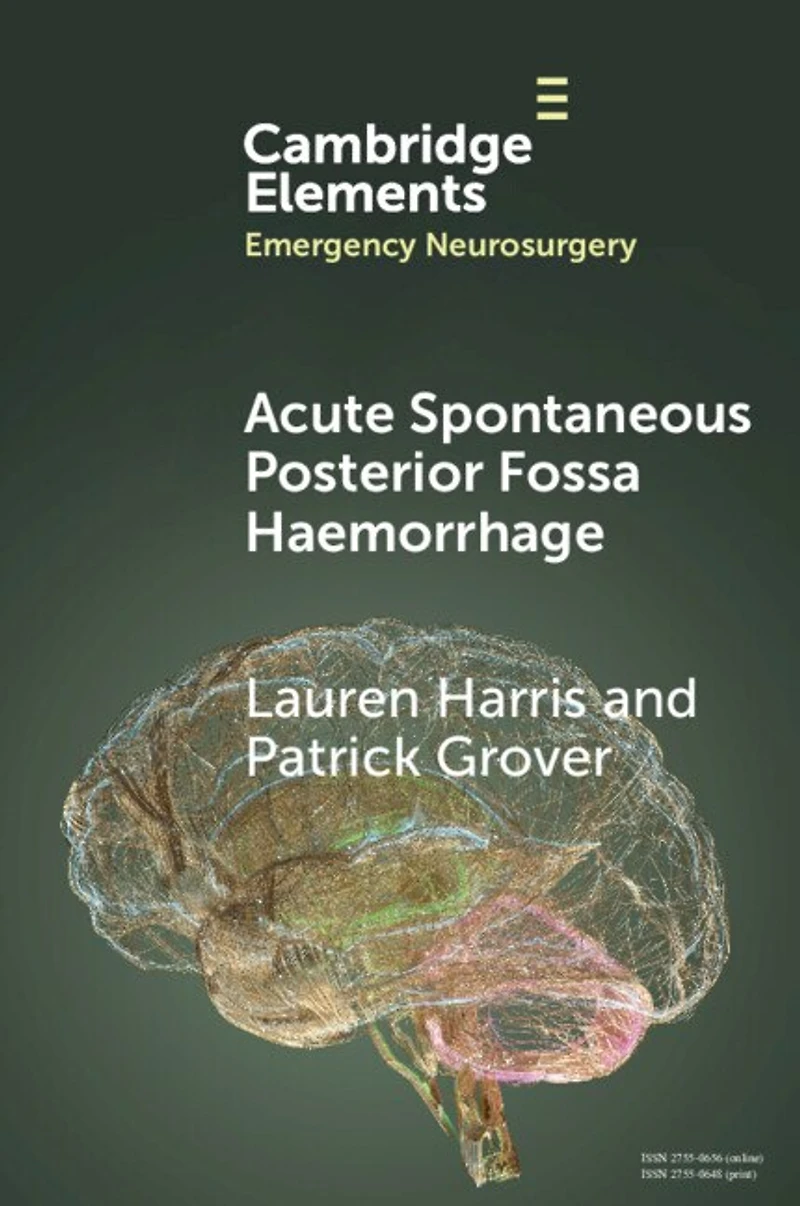
Acute Spontaneous Posterior Fossa Haemorrhage
Current price: $29.54

Acute Spontaneous Posterior Fossa Haemorrhage
Current price: $29.54
Loading Inventory...
Size: Paperback
*Product information may vary - to confirm product availability, pricing, shipping and return information please contact Indigo
Non-traumatic posterior fossa haemorrhage accounts for approximately 10% of all intracranial haematomas, and 1.5% of all strokes. In the posterior fossa, a small amount of mass effect can have dramatic effects, due to its small volume. This can be due to immediate transmission of pressure to the brainstem, or via occlusion of the aqueduct of Sylvius or compression of the fourth ventricle, leading to acute obstructive hydrocephalus, with the risk of tonsillar herniation. Timely investigations and management are essential to maximise good outcomes. This Element offers a brief overview of posterior fossa haemorrhage. It looks at the anatomy, aetiology, management, and surgical options, with a review of the available evidence to guide practice.
Non-traumatic posterior fossa haemorrhage accounts for approximately 10% of all intracranial haematomas, and 1.5% of all strokes. In the posterior fossa, a small amount of mass effect can have dramatic effects, due to its small volume. This can be due to immediate transmission of pressure to the brainstem, or via occlusion of the aqueduct of Sylvius or compression of the fourth ventricle, leading to acute obstructive hydrocephalus, with the risk of tonsillar herniation. Timely investigations and management are essential to maximise good outcomes. This Element offers a brief overview of posterior fossa haemorrhage. It looks at the anatomy, aetiology, management, and surgical options, with a review of the available evidence to guide practice.
You May Also Like









More About Indigo at Erin Mills Town Centre
The largest book retailer in Canada also offers toys, music, home décor, gifts and lifestyle products. What's Inside...Books, Magazines, CD’s and DVD’s, Toys and Gifts, Home Accents, Electronics, Baby’s and Children’s Section, Bath and Body, Kitchen and Bedroom, Stationary Located outside in the exterior plaza.
5015 Glen Erin Dr, Mississauga, ON L5M 0R7, Canada
Find Indigo at Erin Mills Town Centre in Mississauga ON
Visit Indigo at Erin Mills Town Centre in Mississauga ON