

GIVE THE PERFECT GIFT
Erin Mills Town Centre Gift Cards are the perfect choice for your gift giving needs.Purchase gift cards at kiosks near the food court or centre court, at Guest Services, or click below to purchase online.PURCHASE HEREHome
AD 381: Heretics, Pagans and the Christian State
Indigo
Loading Inventory...
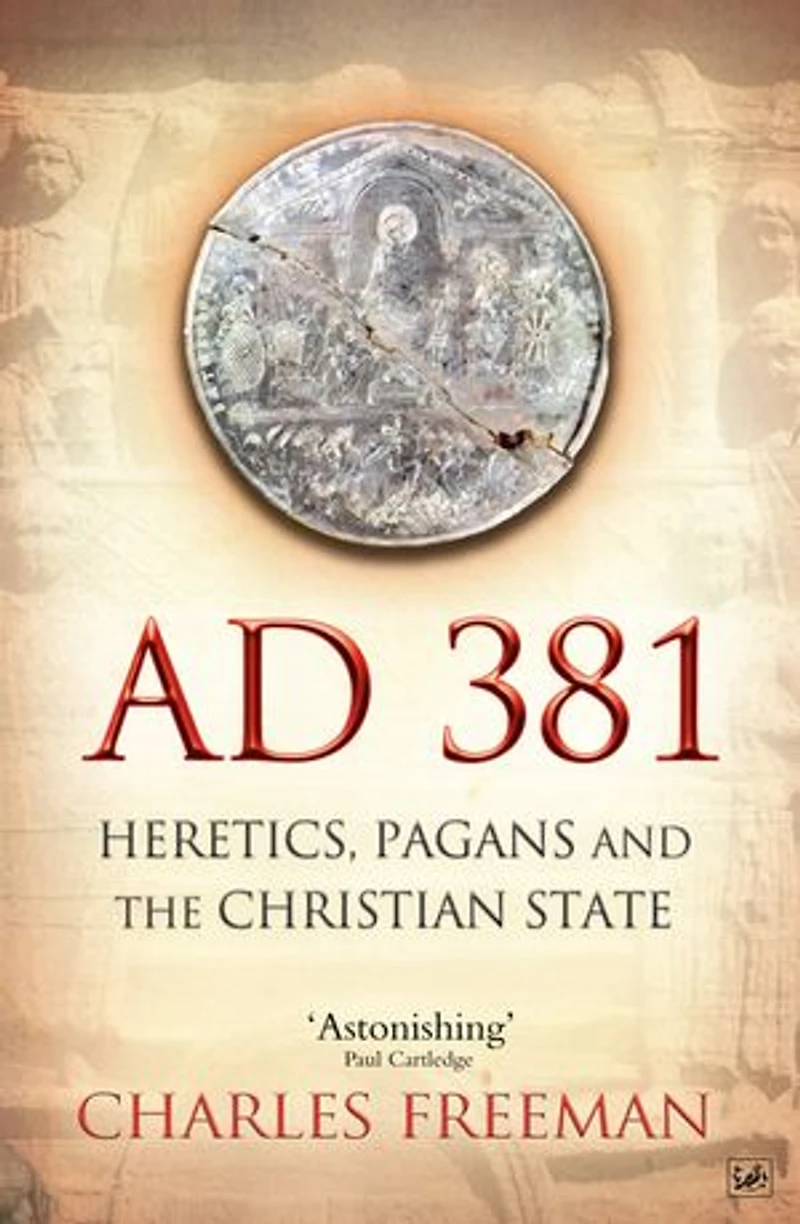
AD 381: Heretics, Pagans and the Christian State
Current price: $15.99

AD 381: Heretics, Pagans and the Christian State
Current price: $15.99
Loading Inventory...
Size: Kobo eBook
*Product information may vary - to confirm product availability, pricing, shipping and return information please contact Indigo
In AD 381, Theodosius, emperor of the eastern Roman empire, issued a decree in which all his subjects were required to subscribe to a belief in the Trinity of the Father, Son and Holy Spirit. This edict defined Christian orthodoxy and brought to an end a lively and wide-ranging debate about the nature of the Godhead; all other interpretations were now declared heretical.
Moreover, for the first time in a thousand years of Greco-Roman civilization free thought was unambiguously suppressed. Yet surprisingly this political revolution, intended to bring inner cohesion to an empire under threat from the outside, has been airbrushed from the historical record. Instead, it has been claimed that the Christian Church had reached a consensus on the Trinity which was promulgated at the Council of Constantinople in AD 381.
In this groundbreaking new book, Freeman argues that Theodosius's edict and the subsequent suppression of paganism not only brought an end to the diversity of religious and philosophical beliefs throughout the empire but created numerous theological problems for the Church, which have remained unsolved. The year AD 381, Freeman concludes, marked 'a turning point which time forgot'.
In AD 381, Theodosius, emperor of the eastern Roman empire, issued a decree in which all his subjects were required to subscribe to a belief in the Trinity of the Father, Son and Holy Spirit. This edict defined Christian orthodoxy and brought to an end a lively and wide-ranging debate about the nature of the Godhead; all other interpretations were now declared heretical.
Moreover, for the first time in a thousand years of Greco-Roman civilization free thought was unambiguously suppressed. Yet surprisingly this political revolution, intended to bring inner cohesion to an empire under threat from the outside, has been airbrushed from the historical record. Instead, it has been claimed that the Christian Church had reached a consensus on the Trinity which was promulgated at the Council of Constantinople in AD 381.
In this groundbreaking new book, Freeman argues that Theodosius's edict and the subsequent suppression of paganism not only brought an end to the diversity of religious and philosophical beliefs throughout the empire but created numerous theological problems for the Church, which have remained unsolved. The year AD 381, Freeman concludes, marked 'a turning point which time forgot'.
You May Also Like







More About Indigo at Erin Mills Town Centre
The largest book retailer in Canada also offers toys, music, home décor, gifts and lifestyle products. What's Inside...Books, Magazines, CD’s and DVD’s, Toys and Gifts, Home Accents, Electronics, Baby’s and Children’s Section, Bath and Body, Kitchen and Bedroom, Stationary Located outside in the exterior plaza.
5015 Glen Erin Dr, Mississauga, ON L5M 0R7, Canada
Find Indigo at Erin Mills Town Centre in Mississauga ON
Visit Indigo at Erin Mills Town Centre in Mississauga ON