

GIVE THE PERFECT GIFT
Erin Mills Town Centre Gift Cards are the perfect choice for your gift giving needs.Purchase gift cards at kiosks near the food court or centre court, at Guest Services, or click below to purchase online.PURCHASE HEREHome
Adam, Satan, and the King of Tyre: The Interpretation of Ezekiel 28:11-19 in Late Antiquity
Indigo
Loading Inventory...
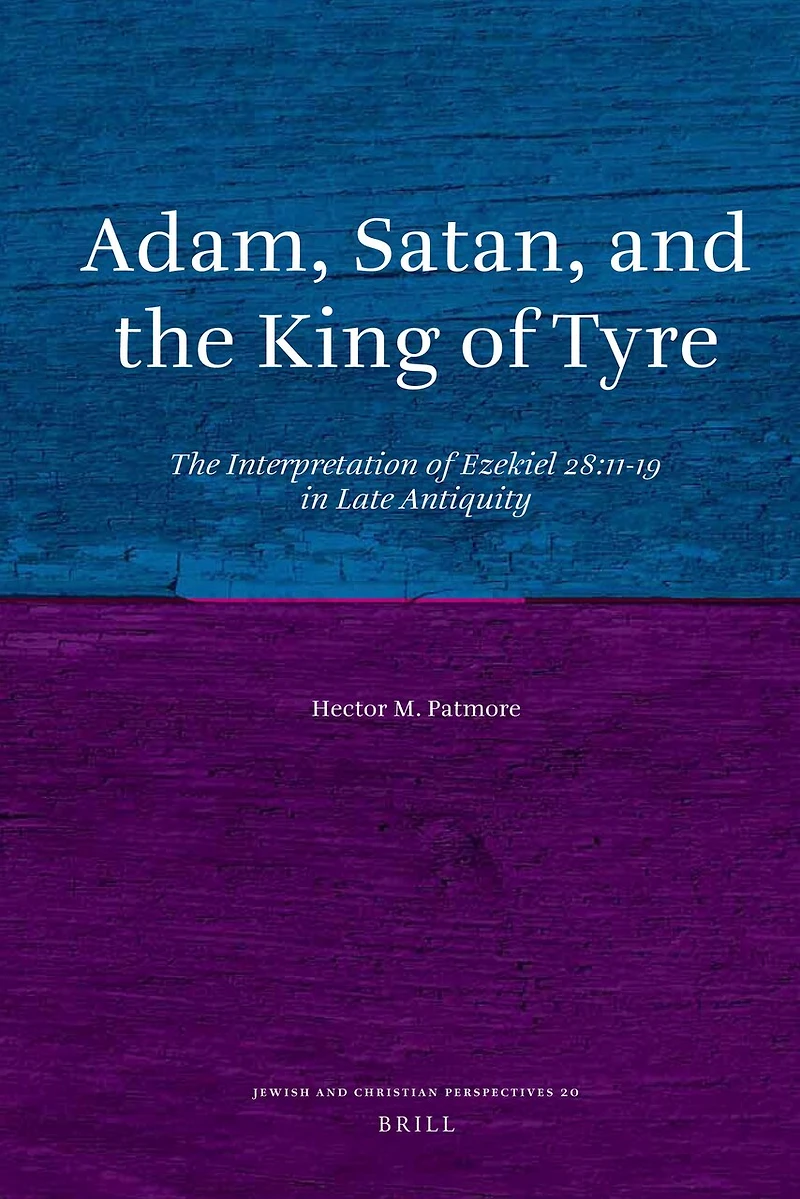
Adam, Satan, and the King of Tyre: The Interpretation of Ezekiel 28:11-19 in Late Antiquity
Current price: $233.99

Adam, Satan, and the King of Tyre: The Interpretation of Ezekiel 28:11-19 in Late Antiquity
Current price: $233.99
Loading Inventory...
Size: Hardcover
*Product information may vary - to confirm product availability, pricing, shipping and return information please contact Indigo
The oracle against the King of Tyre, found in Ezekiel 28.12-19, is a difficult text that inspired diverse interpretations in Late Antiquity. For example, according to one rabbinic tradition the text spoke of the first man, Adam, while the Church Fathers found in the same text a description of the fall of Satan. This book studies the rabbinic sources, patristic literature, the Targum, and the ancient translations, and seeks to understand the reasons for the diverse interpretation, the interaction between the exegetical traditions and the communities of interpreters, in particular between Jews and Christians, and the effect the specific form and wording of the text had on the formation and development of each interpretation.
The oracle against the King of Tyre, found in Ezekiel 28.12-19, is a difficult text that inspired diverse interpretations in Late Antiquity. For example, according to one rabbinic tradition the text spoke of the first man, Adam, while the Church Fathers found in the same text a description of the fall of Satan. This book studies the rabbinic sources, patristic literature, the Targum, and the ancient translations, and seeks to understand the reasons for the diverse interpretation, the interaction between the exegetical traditions and the communities of interpreters, in particular between Jews and Christians, and the effect the specific form and wording of the text had on the formation and development of each interpretation.
You May Also Like







More About Indigo at Erin Mills Town Centre
The largest book retailer in Canada also offers toys, music, home décor, gifts and lifestyle products. What's Inside...Books, Magazines, CD’s and DVD’s, Toys and Gifts, Home Accents, Electronics, Baby’s and Children’s Section, Bath and Body, Kitchen and Bedroom, Stationary Located outside in the exterior plaza.
5015 Glen Erin Dr, Mississauga, ON L5M 0R7, Canada
Find Indigo at Erin Mills Town Centre in Mississauga ON
Visit Indigo at Erin Mills Town Centre in Mississauga ON