

GIVE THE PERFECT GIFT
Erin Mills Town Centre Gift Cards are the perfect choice for your gift giving needs.Purchase gift cards at kiosks near the food court or centre court, at Guest Services, or click below to purchase online.PURCHASE HEREHome
Addressing the other woman: Textual correspondences feminist art and writing
Indigo
Loading Inventory...
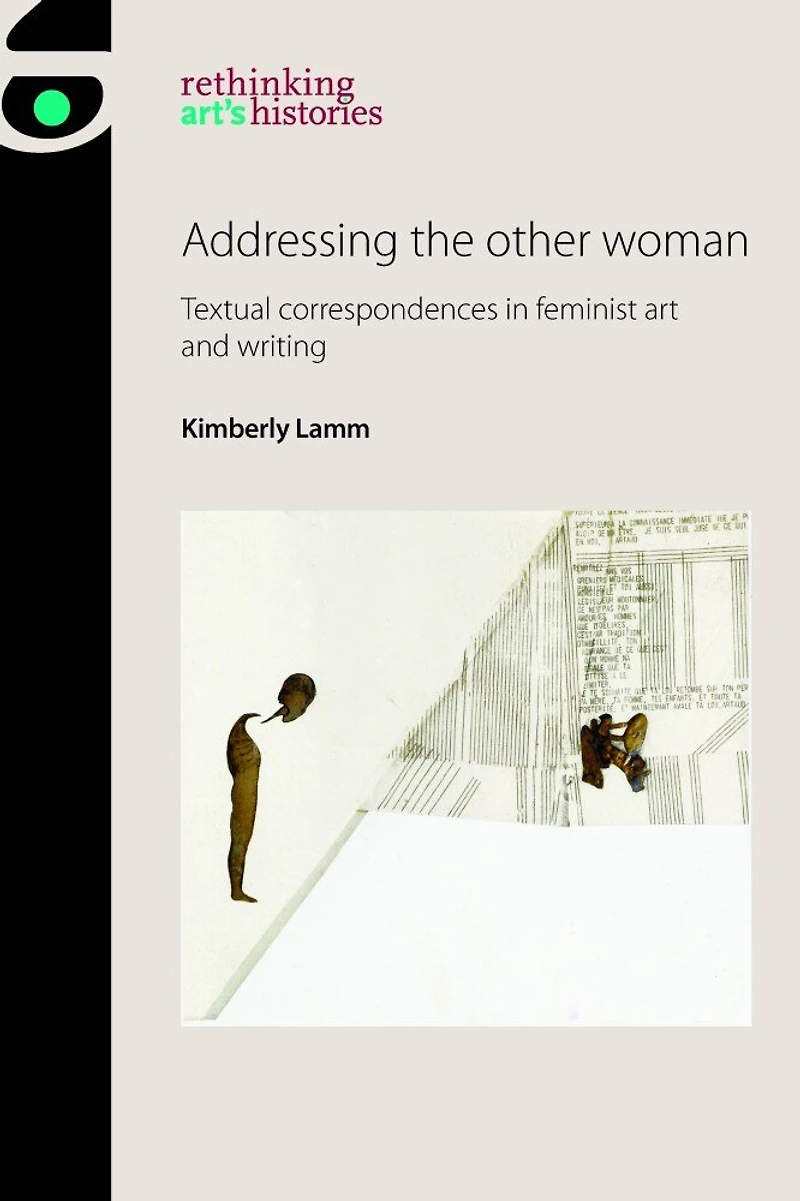
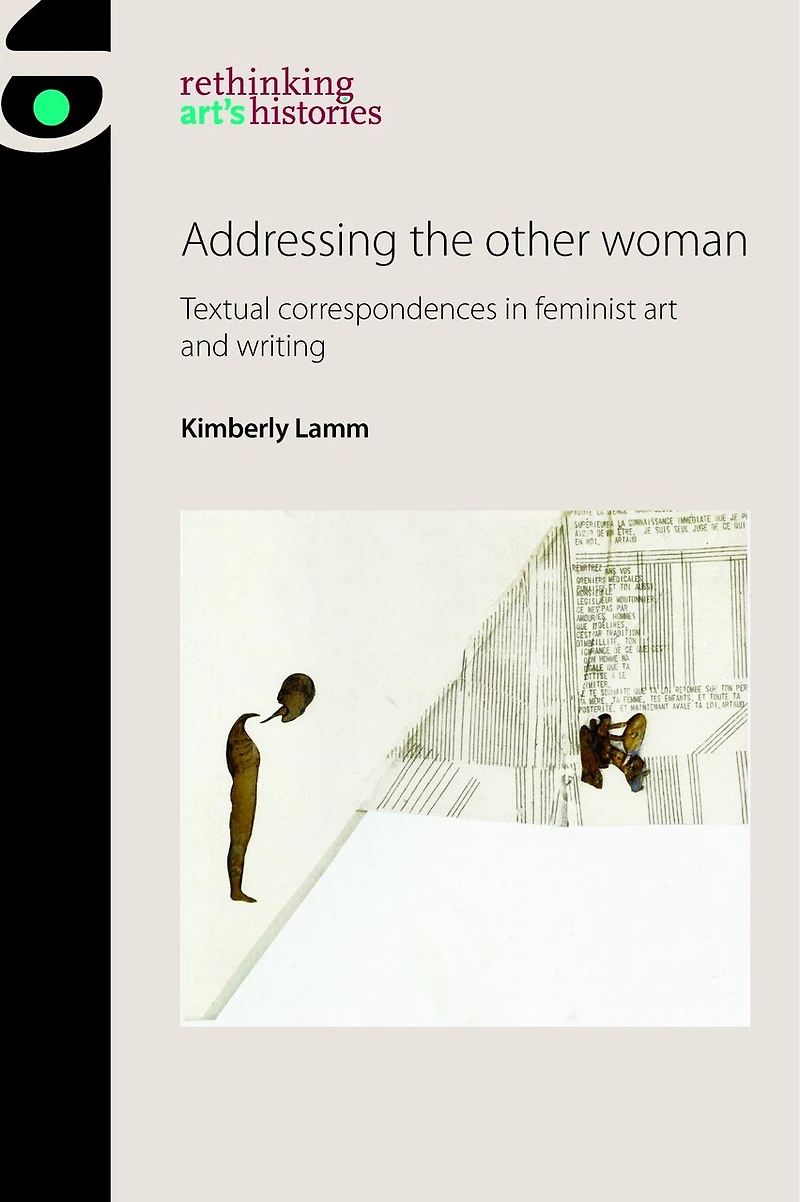
Addressing the other woman: Textual correspondences feminist art and writing
Current price: $170.00

Addressing the other woman: Textual correspondences feminist art and writing
Current price: $170.00
Loading Inventory...
Size: Hardcover
*Product information may vary - to confirm product availability, pricing, shipping and return information please contact Indigo
This book analyses how three artists – Adrian Piper, Nancy Spero and Mary Kelly – worked with the visual dimensions of language in the 1960s and 1970s. These artists used text and images of writing to challenge female stereotypes, addressing viewers and asking them to participate in the project of imagining women beyond familiar words and images of subordination. The book explores this dimension of their work through the concept of ‘the other woman’, a utopian wish to reach women and correspond with them across similarities and differences. To make the artwork’s aspirations more concrete, it places the artists in correspondence with three writers – Angela Davis, Valerie Solanas, and Laura Mulvey – who also addressed the limited range of images through which women are allowed to become visible.
This book analyses how three artists – Adrian Piper, Nancy Spero and Mary Kelly – worked with the visual dimensions of language in the 1960s and 1970s. These artists used text and images of writing to challenge female stereotypes, addressing viewers and asking them to participate in the project of imagining women beyond familiar words and images of subordination. The book explores this dimension of their work through the concept of ‘the other woman’, a utopian wish to reach women and correspond with them across similarities and differences. To make the artwork’s aspirations more concrete, it places the artists in correspondence with three writers – Angela Davis, Valerie Solanas, and Laura Mulvey – who also addressed the limited range of images through which women are allowed to become visible.
You May Also Like











More About Indigo at Erin Mills Town Centre
The largest book retailer in Canada also offers toys, music, home décor, gifts and lifestyle products. What's Inside...Books, Magazines, CD’s and DVD’s, Toys and Gifts, Home Accents, Electronics, Baby’s and Children’s Section, Bath and Body, Kitchen and Bedroom, Stationary Located outside in the exterior plaza.
5015 Glen Erin Dr, Mississauga, ON L5M 0R7, Canada
Find Indigo at Erin Mills Town Centre in Mississauga ON
Visit Indigo at Erin Mills Town Centre in Mississauga ON