

GIVE THE PERFECT GIFT
Erin Mills Town Centre Gift Cards are the perfect choice for your gift giving needs.Purchase gift cards at kiosks near the food court or centre court, at Guest Services, or click below to purchase online.PURCHASE HEREHome
Adonis, his representations South Italian Vase-painting
Indigo
Loading Inventory...
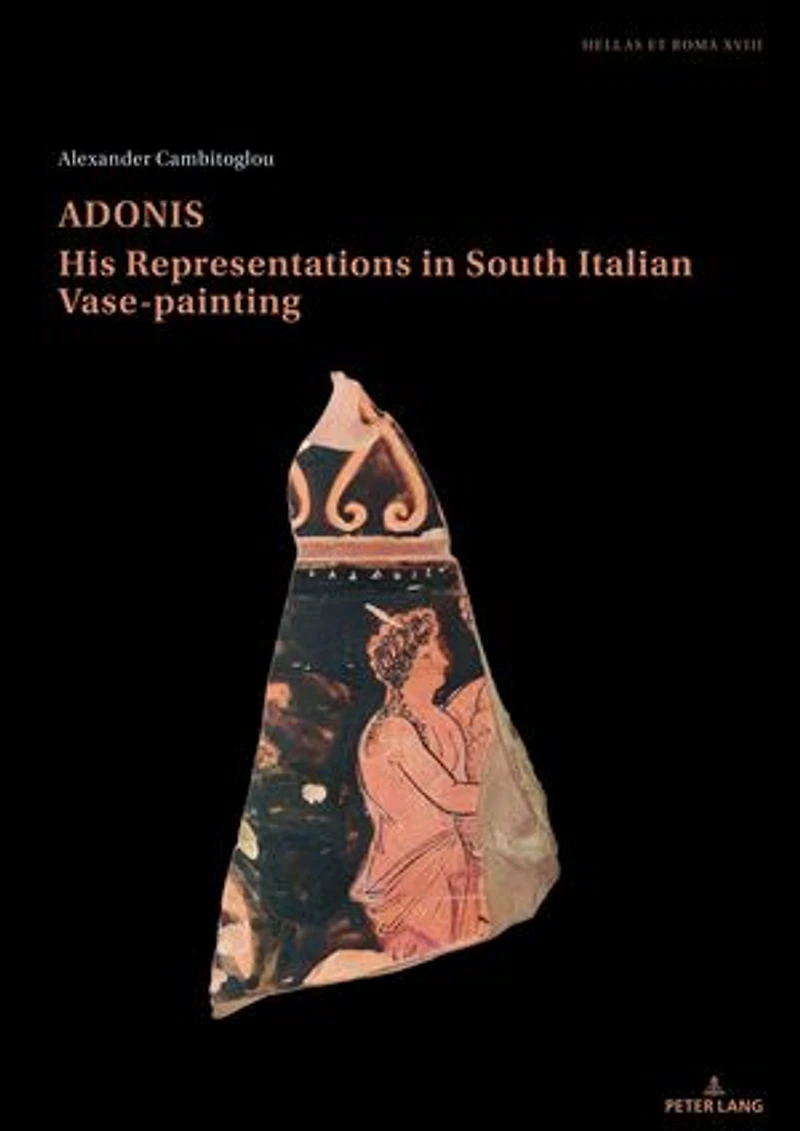
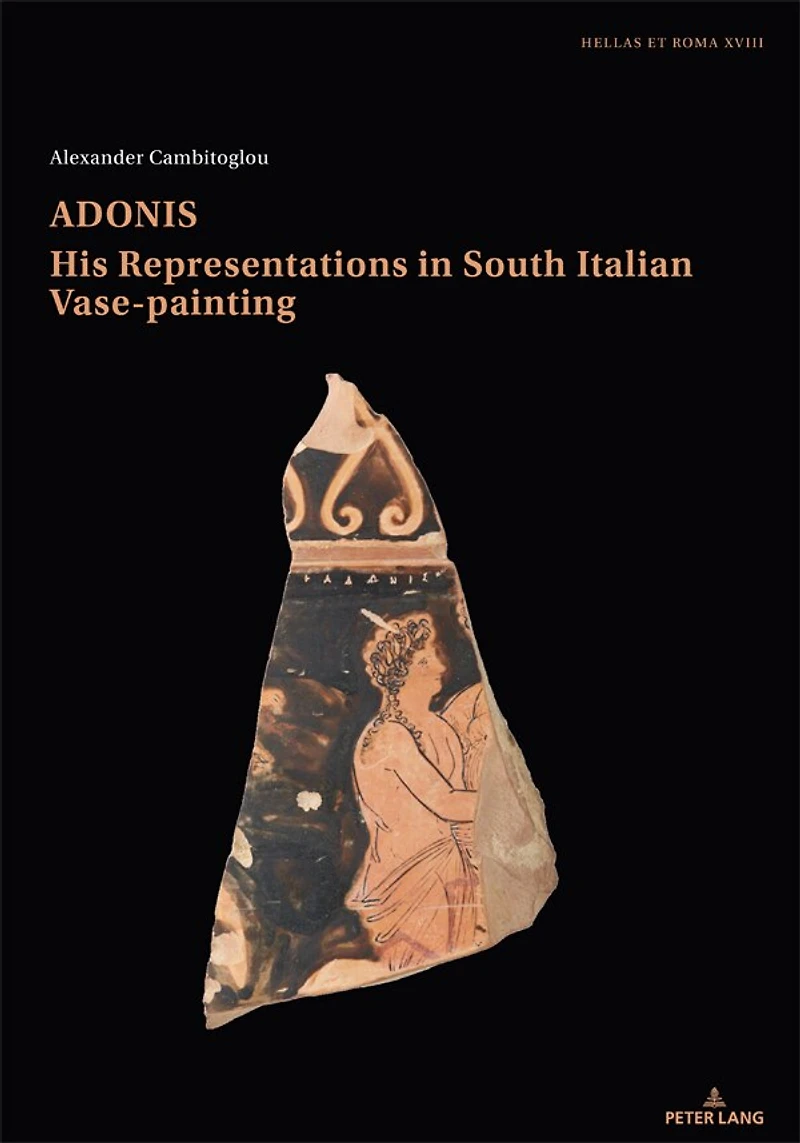
Adonis, his representations South Italian Vase-painting
Current price: $70.19
Original price: $87.68

Adonis, his representations South Italian Vase-painting
Current price: $70.19
Original price: $87.68
Loading Inventory...
Size: Kobo eBook
*Product information may vary - to confirm product availability, pricing, shipping and return information please contact Indigo
Adonis, the beautiful youth, born of the myrrh tree, loved by both Aphrodite and Persephone, hardly needs any introduction. His legend, of Oriental origin, spread early and rapidly to Greece and Italy. In Athens, his cult is attested as early as the 5th century, though representations of him in the arts remain surprisingly rare. Not so in South Italy, where from the early 4th century on his myth inspired some of the greatest vase-painters, especially in Apulia.
As the present systematic and richly illustrated analysis of his representations in South Italian Vase-painting, shows, Adonis played in Magna Graecia a much more important role than had hitherto been suspected.
Internationally recognized as the expert on South Italian Vase-painting, Alexander Cambitoglou has co-authored with Arthur Dale Trendall the fundamental work on its main school: The Red-figured Vases of Apulia , I: Early and Middle Apulian (1978) and II: Late Apulian (1982), and First and Second Supplement to The Red-figured Vases of Apulia (1983 and 1991). With Chr. Aellen and J. Chamay he has published Le peintre de Darius et son milieu in 1986 and again with J. Chamay in 1997, Cramique de Grande Grce . La collection de fragments H. A. Cahn , and in 2006 Le don de la vigne: vase antique du baron Edmond de Rothschild (Matteo Campagnolo co-author). More recently, the two first Australian CVA fascicules have appeared in which he presents, with M. Turner as co-author, the collection of red-figured pottery from Apulia held by The University of Sydney’s Nicholson Museum (fasc. 1: 2008, 2: 2014). His work on Adonis’ plants has just come out in J. Chamay’s translation: Les plantes d’Adonis. Essai (Etudes genevoises sur l’Antiquit. Cahiers vol. 2, 2018 ) .
Adonis, the beautiful youth, born of the myrrh tree, loved by both Aphrodite and Persephone, hardly needs any introduction. His legend, of Oriental origin, spread early and rapidly to Greece and Italy. In Athens, his cult is attested as early as the 5th century, though representations of him in the arts remain surprisingly rare. Not so in South Italy, where from the early 4th century on his myth inspired some of the greatest vase-painters, especially in Apulia.
As the present systematic and richly illustrated analysis of his representations in South Italian Vase-painting, shows, Adonis played in Magna Graecia a much more important role than had hitherto been suspected.
Internationally recognized as the expert on South Italian Vase-painting, Alexander Cambitoglou has co-authored with Arthur Dale Trendall the fundamental work on its main school: The Red-figured Vases of Apulia , I: Early and Middle Apulian (1978) and II: Late Apulian (1982), and First and Second Supplement to The Red-figured Vases of Apulia (1983 and 1991). With Chr. Aellen and J. Chamay he has published Le peintre de Darius et son milieu in 1986 and again with J. Chamay in 1997, Cramique de Grande Grce . La collection de fragments H. A. Cahn , and in 2006 Le don de la vigne: vase antique du baron Edmond de Rothschild (Matteo Campagnolo co-author). More recently, the two first Australian CVA fascicules have appeared in which he presents, with M. Turner as co-author, the collection of red-figured pottery from Apulia held by The University of Sydney’s Nicholson Museum (fasc. 1: 2008, 2: 2014). His work on Adonis’ plants has just come out in J. Chamay’s translation: Les plantes d’Adonis. Essai (Etudes genevoises sur l’Antiquit. Cahiers vol. 2, 2018 ) .
You May Also Like









More About Indigo at Erin Mills Town Centre
The largest book retailer in Canada also offers toys, music, home décor, gifts and lifestyle products. What's Inside...Books, Magazines, CD’s and DVD’s, Toys and Gifts, Home Accents, Electronics, Baby’s and Children’s Section, Bath and Body, Kitchen and Bedroom, Stationary Located outside in the exterior plaza.
5015 Glen Erin Dr, Mississauga, ON L5M 0R7, Canada
Find Indigo at Erin Mills Town Centre in Mississauga ON
Visit Indigo at Erin Mills Town Centre in Mississauga ON