

GIVE THE PERFECT GIFT
Erin Mills Town Centre Gift Cards are the perfect choice for your gift giving needs.Purchase gift cards at kiosks near the food court or centre court, at Guest Services, or click below to purchase online.PURCHASE HEREHome
Adorno and the Antifascist Geographical Imagination
Indigo
Loading Inventory...
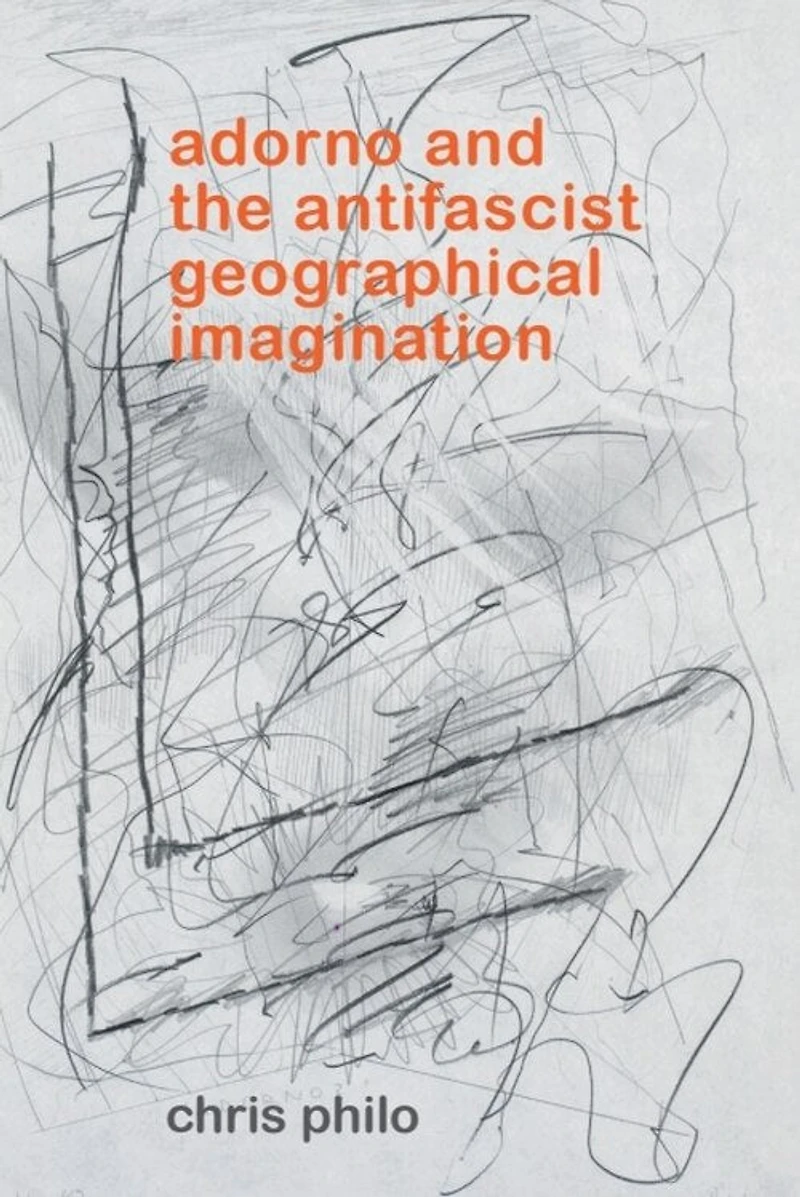
Adorno and the Antifascist Geographical Imagination
Current price: $168.99

Adorno and the Antifascist Geographical Imagination
Current price: $168.99
Loading Inventory...
Size: Hardcover
*Product information may vary - to confirm product availability, pricing, shipping and return information please contact Indigo
To think antifascistically is necessarily to think geographically; to think geographically ought to be to think antifascistically. This aphorism sets the compass for this book’s ambitious attempt to fold questions of fascism and antifascism into the remit of Geotheory (the focus of the host book series). Alert to fascism’s pernicious haunting of our contemporary moment, it reaches for intellectual resources through which to fashion constellations of antifascist thought hinging on attentiveness to space, place, landscape and nature.
Specifically, the book offers the first attempt to systematically explore the ‘geographies’ integral to the thinking of Theodor W. Adorno, premier exponent of the Frankfurt School of critical theory whose writings – on philosophy and sociology, politics and culture, literature and music – were often framed precisely against the threat of fascistic regression. By disclosing Adorno’s geographies, the shape of a geographical antifascism comes into view as a transformational restatement of critical geography’s spirit and purpose.
To think antifascistically is necessarily to think geographically; to think geographically ought to be to think antifascistically. This aphorism sets the compass for this book’s ambitious attempt to fold questions of fascism and antifascism into the remit of Geotheory (the focus of the host book series). Alert to fascism’s pernicious haunting of our contemporary moment, it reaches for intellectual resources through which to fashion constellations of antifascist thought hinging on attentiveness to space, place, landscape and nature.
Specifically, the book offers the first attempt to systematically explore the ‘geographies’ integral to the thinking of Theodor W. Adorno, premier exponent of the Frankfurt School of critical theory whose writings – on philosophy and sociology, politics and culture, literature and music – were often framed precisely against the threat of fascistic regression. By disclosing Adorno’s geographies, the shape of a geographical antifascism comes into view as a transformational restatement of critical geography’s spirit and purpose.
You May Also Like











More About Indigo at Erin Mills Town Centre
The largest book retailer in Canada also offers toys, music, home décor, gifts and lifestyle products. What's Inside...Books, Magazines, CD’s and DVD’s, Toys and Gifts, Home Accents, Electronics, Baby’s and Children’s Section, Bath and Body, Kitchen and Bedroom, Stationary Located outside in the exterior plaza.
5015 Glen Erin Dr, Mississauga, ON L5M 0R7, Canada
Find Indigo at Erin Mills Town Centre in Mississauga ON
Visit Indigo at Erin Mills Town Centre in Mississauga ON