

GIVE THE PERFECT GIFT
Erin Mills Town Centre Gift Cards are the perfect choice for your gift giving needs.Purchase gift cards at kiosks near the food court or centre court, at Guest Services, or click below to purchase online.PURCHASE HEREHome
Adorno, Politics, And The Aesthetic Animal
Indigo
Loading Inventory...
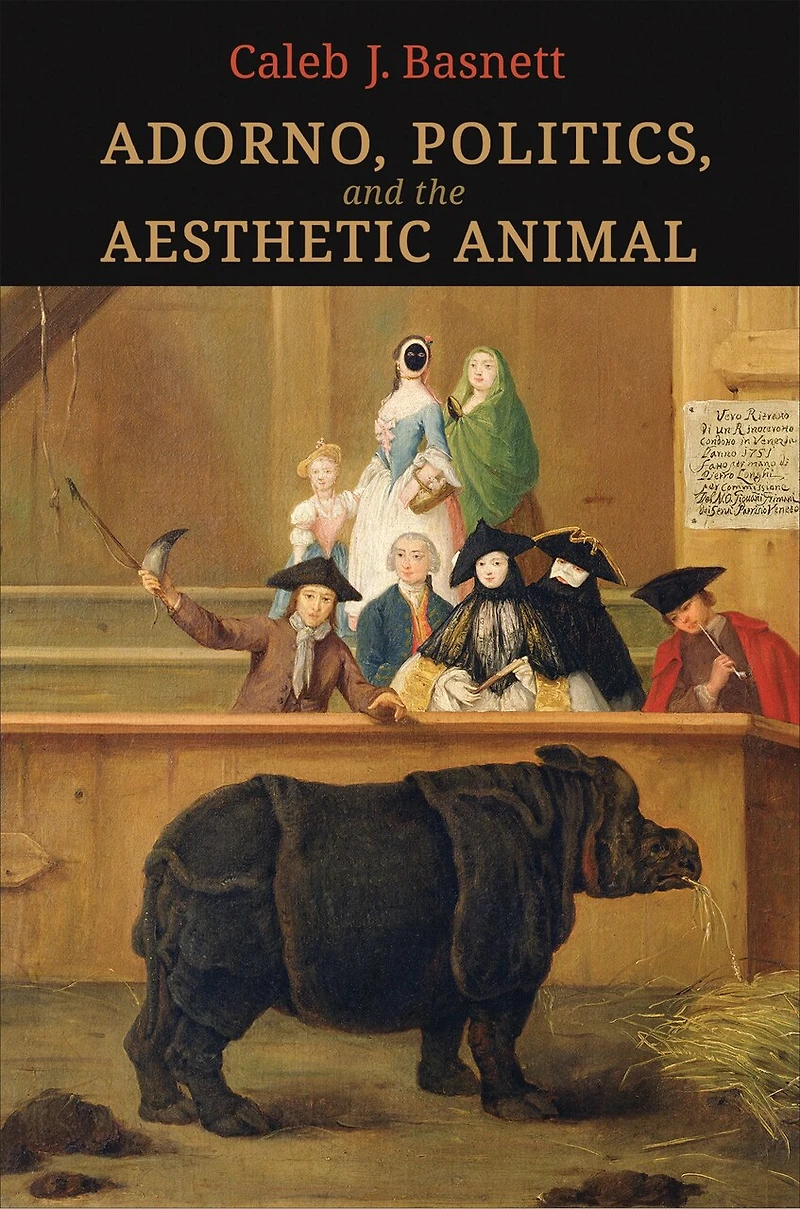
Adorno, Politics, And The Aesthetic Animal
Current price: $84.02

Adorno, Politics, And The Aesthetic Animal
Current price: $84.02
Loading Inventory...
Size: Hardcover
*Product information may vary - to confirm product availability, pricing, shipping and return information please contact Indigo
Built upon the principle that divides and elevates humans above other animals, humanism is the cornerstone of a worldview that sanctifies inequality and threatens all animal life. Adorno, Politics, and the Aesthetic Animal analyses this state of affairs and suggests an alternative – a way for humanity to make itself into a new kind of animal.
Theodor W. Adorno has been accused of leading critical theory into a blind alley, divorced from practical social and political concerns. In Adorno, Politics, and the Aesthetic Animal , Caleb J. Basnett argues that by placing the problem of the human/animal distinction at the centre of Adorno’s thought, we discover a new Adorno, one whose critique of domination is in dialogue with classic concerns of political thought forged by Aristotle, including questions of humanist political education and the role of art.
Through a close reading of primary sources, Basnett identifies the principal conceptual structure entwined with the understanding of human life as antagonistic to other animals, and outlines how forms of aesthetic experience disrupt this problematic concept in favour of a reconceptualization of what we call human. His analysis displaces the centrality of the human and attempts to open up a space for its transformation, both in terms of how humans relate to each other and in how humans relate to other animals.
Built upon the principle that divides and elevates humans above other animals, humanism is the cornerstone of a worldview that sanctifies inequality and threatens all animal life. Adorno, Politics, and the Aesthetic Animal analyses this state of affairs and suggests an alternative – a way for humanity to make itself into a new kind of animal.
Theodor W. Adorno has been accused of leading critical theory into a blind alley, divorced from practical social and political concerns. In Adorno, Politics, and the Aesthetic Animal , Caleb J. Basnett argues that by placing the problem of the human/animal distinction at the centre of Adorno’s thought, we discover a new Adorno, one whose critique of domination is in dialogue with classic concerns of political thought forged by Aristotle, including questions of humanist political education and the role of art.
Through a close reading of primary sources, Basnett identifies the principal conceptual structure entwined with the understanding of human life as antagonistic to other animals, and outlines how forms of aesthetic experience disrupt this problematic concept in favour of a reconceptualization of what we call human. His analysis displaces the centrality of the human and attempts to open up a space for its transformation, both in terms of how humans relate to each other and in how humans relate to other animals.
You May Also Like








More About Indigo at Erin Mills Town Centre
The largest book retailer in Canada also offers toys, music, home décor, gifts and lifestyle products. What's Inside...Books, Magazines, CD’s and DVD’s, Toys and Gifts, Home Accents, Electronics, Baby’s and Children’s Section, Bath and Body, Kitchen and Bedroom, Stationary Located outside in the exterior plaza.
5015 Glen Erin Dr, Mississauga, ON L5M 0R7, Canada
Find Indigo at Erin Mills Town Centre in Mississauga ON
Visit Indigo at Erin Mills Town Centre in Mississauga ON