

GIVE THE PERFECT GIFT
Erin Mills Town Centre Gift Cards are the perfect choice for your gift giving needs.Purchase gift cards at kiosks near the food court or centre court, at Guest Services, or click below to purchase online.PURCHASE HEREHome
Advances Unmanned Aerial Vehicles: State of the Art and Road to Autonomy
Indigo
Loading Inventory...
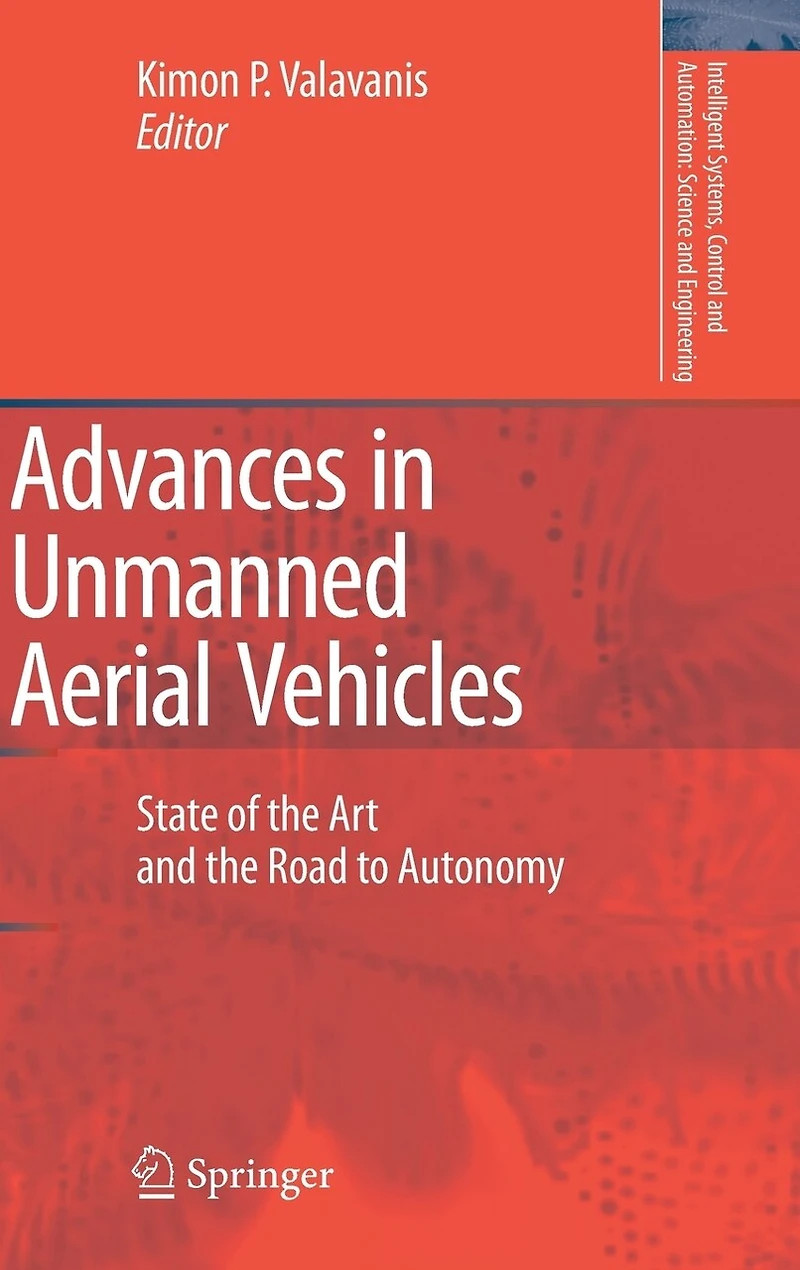
Advances Unmanned Aerial Vehicles: State of the Art and Road to Autonomy
Current price: $248.50

Advances Unmanned Aerial Vehicles: State of the Art and Road to Autonomy
Current price: $248.50
Loading Inventory...
Size: Hardcover
*Product information may vary - to confirm product availability, pricing, shipping and return information please contact Indigo
Unmanned Aerial Vehicles (UAVs) have seen unprecedented levels of growth in military and civilian application domains. Fixed-wing aircraft, heavier or lighter than air, rotary-wing (rotorcraft, helicopters), vertical take-off and landing (VTOL) unmanned vehicles are being increasingly used in military and civilian domains for surveillance, reconnaissance, mapping, cartography, border patrol, inspection, homeland security, search and rescue, fire detection, agricultural imaging, traffic monitoring, to name just a few application domains. When initially introduced during World War I, UAVs were criticized heavily as being unreliable and inaccurate, and only a handful of people recognized at that early stage their potential and (future) impact on cha- ing the battlefield. To nobody's surprise, about a century later, the total market for UAVs will reach within a few years more than $16 billion, with the US Depa- ment of Defense (DOD) being the champion in funding initiatives, - search and development, as well as procurement. Europe, as a continent, is a very distant second player, expected to spend about -¬2 billion in research and development, and procurement.
Unmanned Aerial Vehicles (UAVs) have seen unprecedented levels of growth in military and civilian application domains. Fixed-wing aircraft, heavier or lighter than air, rotary-wing (rotorcraft, helicopters), vertical take-off and landing (VTOL) unmanned vehicles are being increasingly used in military and civilian domains for surveillance, reconnaissance, mapping, cartography, border patrol, inspection, homeland security, search and rescue, fire detection, agricultural imaging, traffic monitoring, to name just a few application domains. When initially introduced during World War I, UAVs were criticized heavily as being unreliable and inaccurate, and only a handful of people recognized at that early stage their potential and (future) impact on cha- ing the battlefield. To nobody's surprise, about a century later, the total market for UAVs will reach within a few years more than $16 billion, with the US Depa- ment of Defense (DOD) being the champion in funding initiatives, - search and development, as well as procurement. Europe, as a continent, is a very distant second player, expected to spend about -¬2 billion in research and development, and procurement.
You May Also Like














More About Indigo at Erin Mills Town Centre
The largest book retailer in Canada also offers toys, music, home décor, gifts and lifestyle products. What's Inside...Books, Magazines, CD’s and DVD’s, Toys and Gifts, Home Accents, Electronics, Baby’s and Children’s Section, Bath and Body, Kitchen and Bedroom, Stationary Located outside in the exterior plaza.
5015 Glen Erin Dr, Mississauga, ON L5M 0R7, Canada
Find Indigo at Erin Mills Town Centre in Mississauga ON
Visit Indigo at Erin Mills Town Centre in Mississauga ON