

GIVE THE PERFECT GIFT
Erin Mills Town Centre Gift Cards are the perfect choice for your gift giving needs.Purchase gift cards at kiosks near the food court or centre court, at Guest Services, or click below to purchase online.PURCHASE HEREHome
Aeolic and Aeolians: Origins of an Ancient Greek Language and its Community of Speakers
Indigo
Loading Inventory...
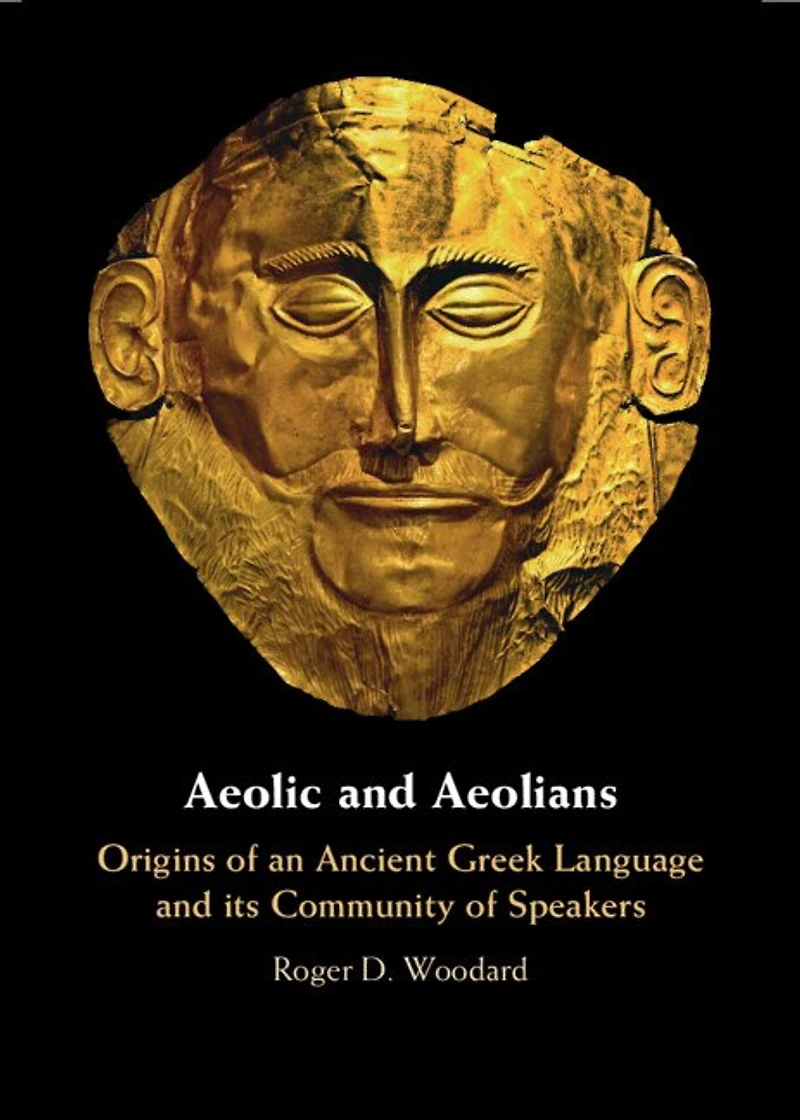
Aeolic and Aeolians: Origins of an Ancient Greek Language and its Community of Speakers
Current price: $177.95

Aeolic and Aeolians: Origins of an Ancient Greek Language and its Community of Speakers
Current price: $177.95
Loading Inventory...
Size: Hardcover
*Product information may vary - to confirm product availability, pricing, shipping and return information please contact Indigo
Aeolic and Aeolians explores the origin of an ancient Greek language and the beginnings and evolution of the community of its speakers – the Aeolians. Roger Woodard argues that the starting point for both is situated in Asia Minor during the period of the Late Bronze Age, and that the ancestral Aeolic speech community can be identified with the Mycenaean peoples of Anatolia called the Ahhiyawans in Hittite records. These Bronze-Age Asian Greeks would intermarry with local Luvian peoples of western Anatolia, and the Aeolian language and identity – an identity encoded in myth-emerged from the intermixing of the two societies. Aeolian myths are central to Woodard's ground-breaking investigations presented in this volume. He demonstrates how assemblages of mythic components, what Lévi-Strauss called bricolage, enabled early Aeolians to give intellectual expression to their distinctive Greek identity. With the collapse of Bronze-Age societies in Mycenaean Greece, some of the early Aeolians of Anatolia would migrate to Europe, introducing their language and myths into Hellas.
Aeolic and Aeolians explores the origin of an ancient Greek language and the beginnings and evolution of the community of its speakers – the Aeolians. Roger Woodard argues that the starting point for both is situated in Asia Minor during the period of the Late Bronze Age, and that the ancestral Aeolic speech community can be identified with the Mycenaean peoples of Anatolia called the Ahhiyawans in Hittite records. These Bronze-Age Asian Greeks would intermarry with local Luvian peoples of western Anatolia, and the Aeolian language and identity – an identity encoded in myth-emerged from the intermixing of the two societies. Aeolian myths are central to Woodard's ground-breaking investigations presented in this volume. He demonstrates how assemblages of mythic components, what Lévi-Strauss called bricolage, enabled early Aeolians to give intellectual expression to their distinctive Greek identity. With the collapse of Bronze-Age societies in Mycenaean Greece, some of the early Aeolians of Anatolia would migrate to Europe, introducing their language and myths into Hellas.
You May Also Like







More About Indigo at Erin Mills Town Centre
The largest book retailer in Canada also offers toys, music, home décor, gifts and lifestyle products. What's Inside...Books, Magazines, CD’s and DVD’s, Toys and Gifts, Home Accents, Electronics, Baby’s and Children’s Section, Bath and Body, Kitchen and Bedroom, Stationary Located outside in the exterior plaza.
5015 Glen Erin Dr, Mississauga, ON L5M 0R7, Canada
Find Indigo at Erin Mills Town Centre in Mississauga ON
Visit Indigo at Erin Mills Town Centre in Mississauga ON