

GIVE THE PERFECT GIFT
Erin Mills Town Centre Gift Cards are the perfect choice for your gift giving needs.Purchase gift cards at kiosks near the food court or centre court, at Guest Services, or click below to purchase online.PURCHASE HEREHome
Aesthetic Strategies of The Floating World: Mitate, Yatsushi, and Fūryū in Early Modern Japanese Popular Culture
Indigo
Loading Inventory...
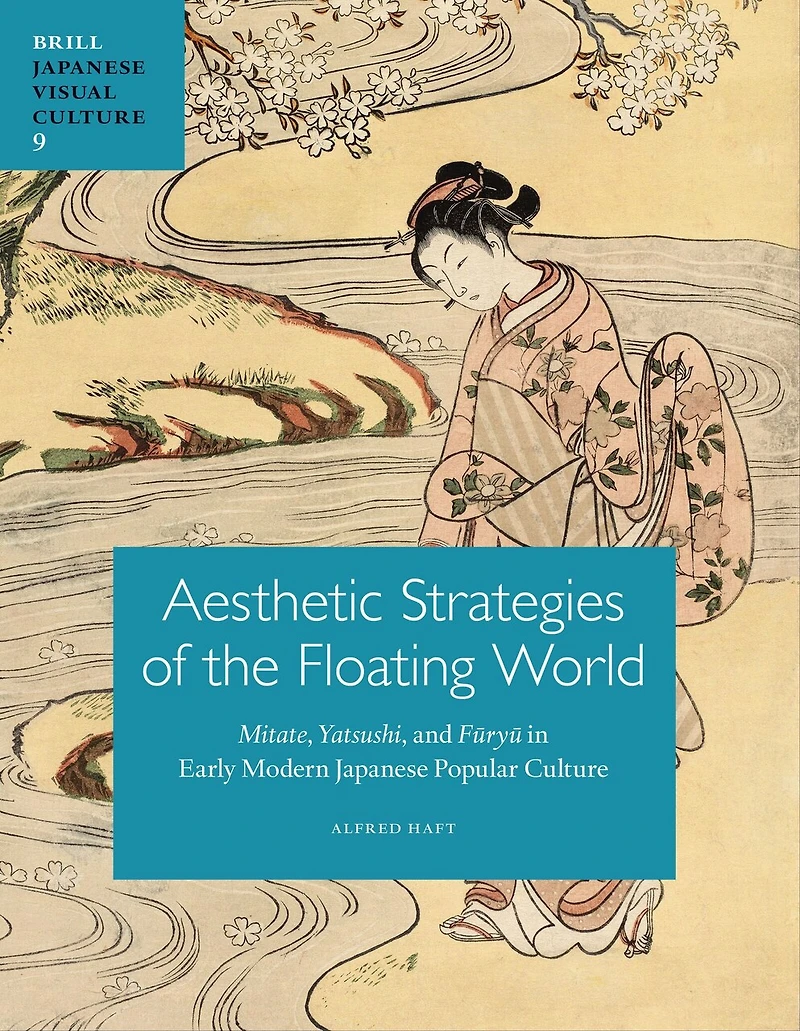
Aesthetic Strategies of The Floating World: Mitate, Yatsushi, and Fūryū in Early Modern Japanese Popular Culture
Current price: $202.99

Aesthetic Strategies of The Floating World: Mitate, Yatsushi, and Fūryū in Early Modern Japanese Popular Culture
Current price: $202.99
Loading Inventory...
Size: Hardcover
*Product information may vary - to confirm product availability, pricing, shipping and return information please contact Indigo
Japan’s classical tradition underpinned almost every area of cultural production throughout the early modern or Edo period (1615–1868). This book offers the first in-depth account of three aesthetic strategies—unexpected juxtaposition ( mitate ), casual adaptation ( yatsushi ) and modern standards of style ( fūryū )—that shaped the way Edo popular culture and particularly the Floating World absorbed and responded to this force of cultural authority. Combining visual, documentary and literary evidence, Alfred Haft here explores why the three strategies were central to the life of the Floating World, how they expanded the conceptual range of the popular woodblock print (ukiyo-e), and what they reveal about the role of humor in the Floating World’s relationship with established society. Through a critical analysis of prints by major artists such as Harunobu, Koryūsai, Utamaro, Eishi and Hiroshige, Aesthetic Strategies of the Floating World shows how the strategies made ukiyo-e not merely the by-product of a demimonde, but an agent in the social and cultural politics of their time.
Japan’s classical tradition underpinned almost every area of cultural production throughout the early modern or Edo period (1615–1868). This book offers the first in-depth account of three aesthetic strategies—unexpected juxtaposition ( mitate ), casual adaptation ( yatsushi ) and modern standards of style ( fūryū )—that shaped the way Edo popular culture and particularly the Floating World absorbed and responded to this force of cultural authority. Combining visual, documentary and literary evidence, Alfred Haft here explores why the three strategies were central to the life of the Floating World, how they expanded the conceptual range of the popular woodblock print (ukiyo-e), and what they reveal about the role of humor in the Floating World’s relationship with established society. Through a critical analysis of prints by major artists such as Harunobu, Koryūsai, Utamaro, Eishi and Hiroshige, Aesthetic Strategies of the Floating World shows how the strategies made ukiyo-e not merely the by-product of a demimonde, but an agent in the social and cultural politics of their time.
You May Also Like











More About Indigo at Erin Mills Town Centre
The largest book retailer in Canada also offers toys, music, home décor, gifts and lifestyle products. What's Inside...Books, Magazines, CD’s and DVD’s, Toys and Gifts, Home Accents, Electronics, Baby’s and Children’s Section, Bath and Body, Kitchen and Bedroom, Stationary Located outside in the exterior plaza.
5015 Glen Erin Dr, Mississauga, ON L5M 0R7, Canada
Find Indigo at Erin Mills Town Centre in Mississauga ON
Visit Indigo at Erin Mills Town Centre in Mississauga ON