

GIVE THE PERFECT GIFT
Erin Mills Town Centre Gift Cards are the perfect choice for your gift giving needs.Purchase gift cards at kiosks near the food court or centre court, at Guest Services, or click below to purchase online.PURCHASE HEREHome
African American Literature in Transition, 1850–1865: Volume 4, 1850–1865
Indigo
Loading Inventory...
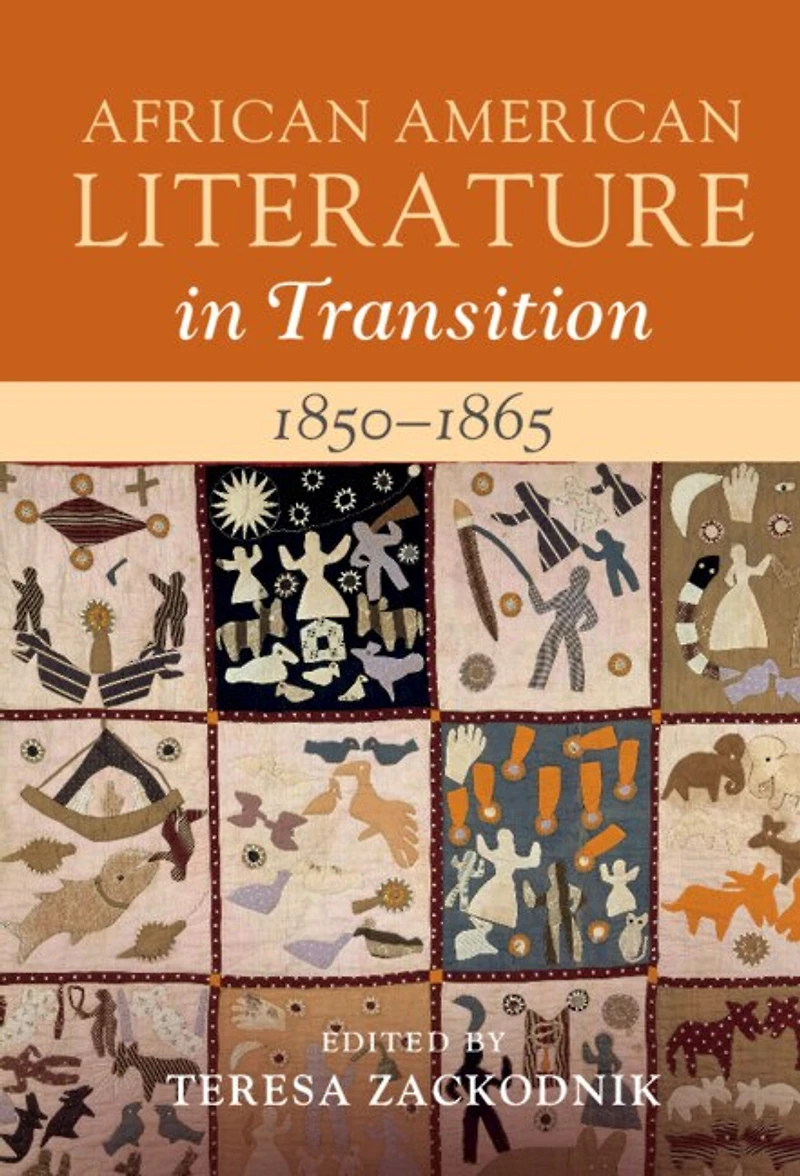
African American Literature in Transition, 1850–1865: Volume 4, 1850–1865
Current price: $162.54

African American Literature in Transition, 1850–1865: Volume 4, 1850–1865
Current price: $162.54
Loading Inventory...
Size: Hardcover
*Product information may vary - to confirm product availability, pricing, shipping and return information please contact Indigo
The period of 1850-1865 consisted of violent struggle and crisis as the United States underwent the prodigious transition from slaveholding to ostensibly 'free' nation. This volume reframes mid-century African American literature and challenges our current understandings of both African American and American literature. It presents a fluid tradition that includes history, science, politics, economics, space and movement, the visual, and the sonic. Black writing was highly conscious of transnational and international politics, textual circulation, and revolutionary imaginaries. Chapters explore how Black literature was being produced and circulated; how and why it marked its relation to other literary and expressive traditions; what geopolitical imaginaries it facilitated through representation; and what technologies, including print, enabled African Americans to pursue such a complex and ongoing aesthetic and political project.
The period of 1850-1865 consisted of violent struggle and crisis as the United States underwent the prodigious transition from slaveholding to ostensibly 'free' nation. This volume reframes mid-century African American literature and challenges our current understandings of both African American and American literature. It presents a fluid tradition that includes history, science, politics, economics, space and movement, the visual, and the sonic. Black writing was highly conscious of transnational and international politics, textual circulation, and revolutionary imaginaries. Chapters explore how Black literature was being produced and circulated; how and why it marked its relation to other literary and expressive traditions; what geopolitical imaginaries it facilitated through representation; and what technologies, including print, enabled African Americans to pursue such a complex and ongoing aesthetic and political project.
You May Also Like







More About Indigo at Erin Mills Town Centre
The largest book retailer in Canada also offers toys, music, home décor, gifts and lifestyle products. What's Inside...Books, Magazines, CD’s and DVD’s, Toys and Gifts, Home Accents, Electronics, Baby’s and Children’s Section, Bath and Body, Kitchen and Bedroom, Stationary Located outside in the exterior plaza.
5015 Glen Erin Dr, Mississauga, ON L5M 0R7, Canada
Find Indigo at Erin Mills Town Centre in Mississauga ON
Visit Indigo at Erin Mills Town Centre in Mississauga ON