

GIVE THE PERFECT GIFT
Erin Mills Town Centre Gift Cards are the perfect choice for your gift giving needs.Purchase gift cards at kiosks near the food court or centre court, at Guest Services, or click below to purchase online.PURCHASE HEREHome
African Americans of Des Moines and Polk County
Indigo
Loading Inventory...
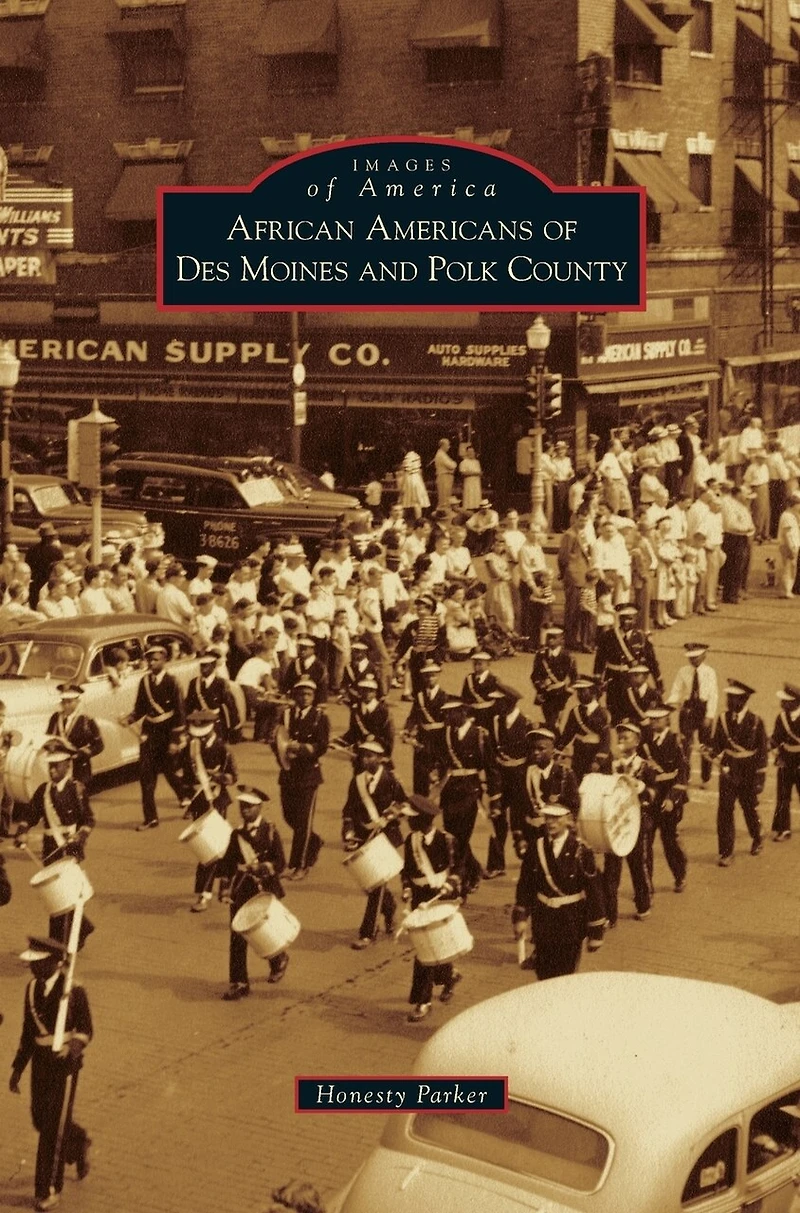
African Americans of Des Moines and Polk County
Current price: $36.99

African Americans of Des Moines and Polk County
Current price: $36.99
Loading Inventory...
Size: Hardcover
*Product information may vary - to confirm product availability, pricing, shipping and return information please contact Indigo
Although African American pioneers arrived in Des Moines, Iowa, in the early 1860s, the population exploded in the 1880s due to the surrounding coal mines. In the 1860s, the Burns Methodist Episcopal Church was the first African American church built in Des Moines, and its only address was "East Side of the River." From 1900 to the 1960s, African Americans across the United States called Center Street "the coolest place in the country." The likes of Duke Ellington, Ella Fitzgerald, Louis Armstrong, and many others graced the hotels and clubs there. In Des Moines in the late 1960s and early 1970s, young African Americans discarded the term Negro and demanded to be referred to as Afro-American or black, as black pride swelled in their chests.
Although African American pioneers arrived in Des Moines, Iowa, in the early 1860s, the population exploded in the 1880s due to the surrounding coal mines. In the 1860s, the Burns Methodist Episcopal Church was the first African American church built in Des Moines, and its only address was "East Side of the River." From 1900 to the 1960s, African Americans across the United States called Center Street "the coolest place in the country." The likes of Duke Ellington, Ella Fitzgerald, Louis Armstrong, and many others graced the hotels and clubs there. In Des Moines in the late 1960s and early 1970s, young African Americans discarded the term Negro and demanded to be referred to as Afro-American or black, as black pride swelled in their chests.
You May Also Like







More About Indigo at Erin Mills Town Centre
The largest book retailer in Canada also offers toys, music, home décor, gifts and lifestyle products. What's Inside...Books, Magazines, CD’s and DVD’s, Toys and Gifts, Home Accents, Electronics, Baby’s and Children’s Section, Bath and Body, Kitchen and Bedroom, Stationary Located outside in the exterior plaza.
5015 Glen Erin Dr, Mississauga, ON L5M 0R7, Canada
Find Indigo at Erin Mills Town Centre in Mississauga ON
Visit Indigo at Erin Mills Town Centre in Mississauga ON