

GIVE THE PERFECT GIFT
Erin Mills Town Centre Gift Cards are the perfect choice for your gift giving needs.Purchase gift cards at kiosks near the food court or centre court, at Guest Services, or click below to purchase online.PURCHASE HEREHome
African Motors: Technology, Gender, and the History of Development
Indigo
Loading Inventory...
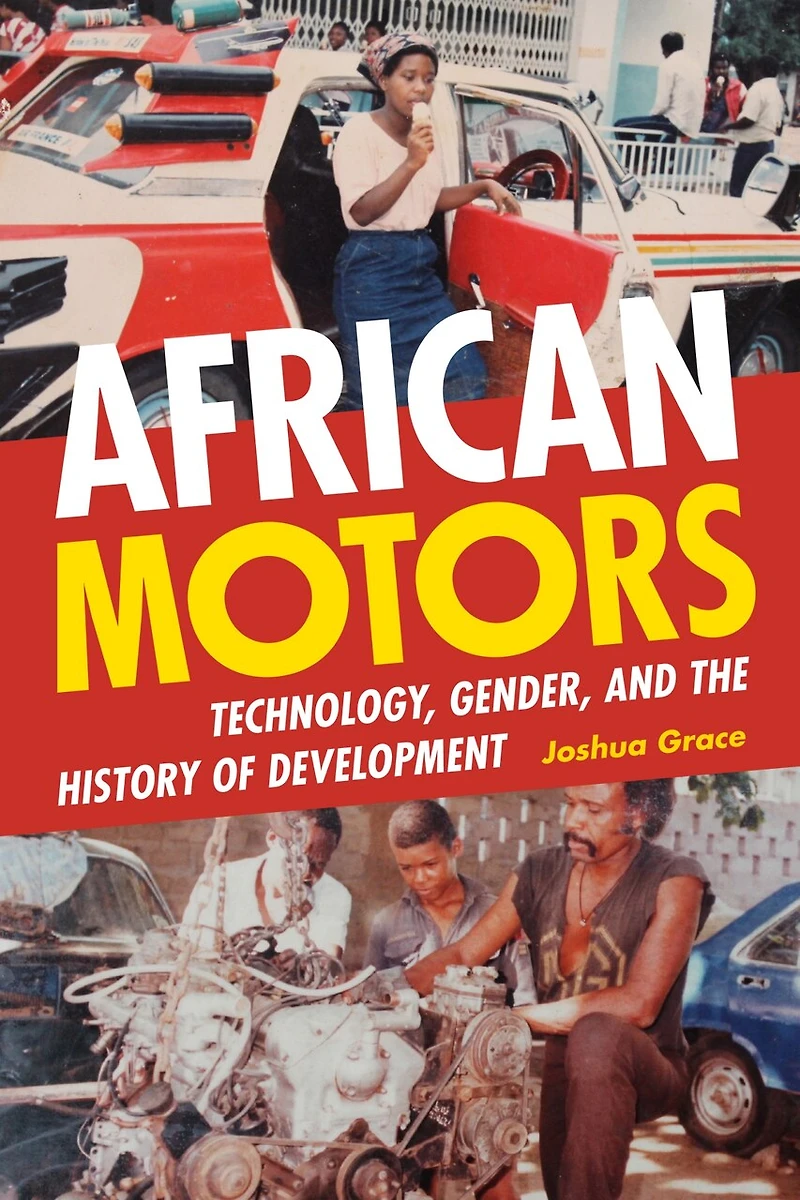
African Motors: Technology, Gender, and the History of Development
Current price: $155.95

African Motors: Technology, Gender, and the History of Development
Current price: $155.95
Loading Inventory...
Size: Hardcover
*Product information may vary - to confirm product availability, pricing, shipping and return information please contact Indigo
In African Motors , Joshua Grace examines how Tanzanian drivers, mechanics, and passengers reconstituted the automobile into a uniquely African form between the late 1800s and the early 2000s. Drawing on hundreds of oral histories, extensive archival research, and his ethnographic fieldwork as an apprentice in Dar es Salaam's network of garages, Grace counters the pervasive narratives that Africa is incompatible with technology and that the African use of cars is merely an appropriation of technology created elsewhere. Although automobiles were invented in Europe and introduced as part of colonial rule, Grace shows how Tanzanians transformed them, increasingly associating their own car use with maendeleo , the Kiswahili word for progress or development. Focusing on the formation of masculinities based in automotive cultures, Grace also outlines the process through which African men remade themselves and their communities by adapting technological objects and systems for local purposes. Ultimately, African Motors is an African-centered story of development featuring everyday examples of Africans forging both individual and collective cultures of social and technological wellbeing through movement, making, and repair.
In African Motors , Joshua Grace examines how Tanzanian drivers, mechanics, and passengers reconstituted the automobile into a uniquely African form between the late 1800s and the early 2000s. Drawing on hundreds of oral histories, extensive archival research, and his ethnographic fieldwork as an apprentice in Dar es Salaam's network of garages, Grace counters the pervasive narratives that Africa is incompatible with technology and that the African use of cars is merely an appropriation of technology created elsewhere. Although automobiles were invented in Europe and introduced as part of colonial rule, Grace shows how Tanzanians transformed them, increasingly associating their own car use with maendeleo , the Kiswahili word for progress or development. Focusing on the formation of masculinities based in automotive cultures, Grace also outlines the process through which African men remade themselves and their communities by adapting technological objects and systems for local purposes. Ultimately, African Motors is an African-centered story of development featuring everyday examples of Africans forging both individual and collective cultures of social and technological wellbeing through movement, making, and repair.
You May Also Like












More About Indigo at Erin Mills Town Centre
The largest book retailer in Canada also offers toys, music, home décor, gifts and lifestyle products. What's Inside...Books, Magazines, CD’s and DVD’s, Toys and Gifts, Home Accents, Electronics, Baby’s and Children’s Section, Bath and Body, Kitchen and Bedroom, Stationary Located outside in the exterior plaza.
5015 Glen Erin Dr, Mississauga, ON L5M 0R7, Canada
Find Indigo at Erin Mills Town Centre in Mississauga ON
Visit Indigo at Erin Mills Town Centre in Mississauga ON