

GIVE THE PERFECT GIFT
Erin Mills Town Centre Gift Cards are the perfect choice for your gift giving needs.Purchase gift cards at kiosks near the food court or centre court, at Guest Services, or click below to purchase online.PURCHASE HEREHome
Afro-European Trade The Atlantic World: Western Slave Coast, c. 1550- 1885
Indigo
Loading Inventory...
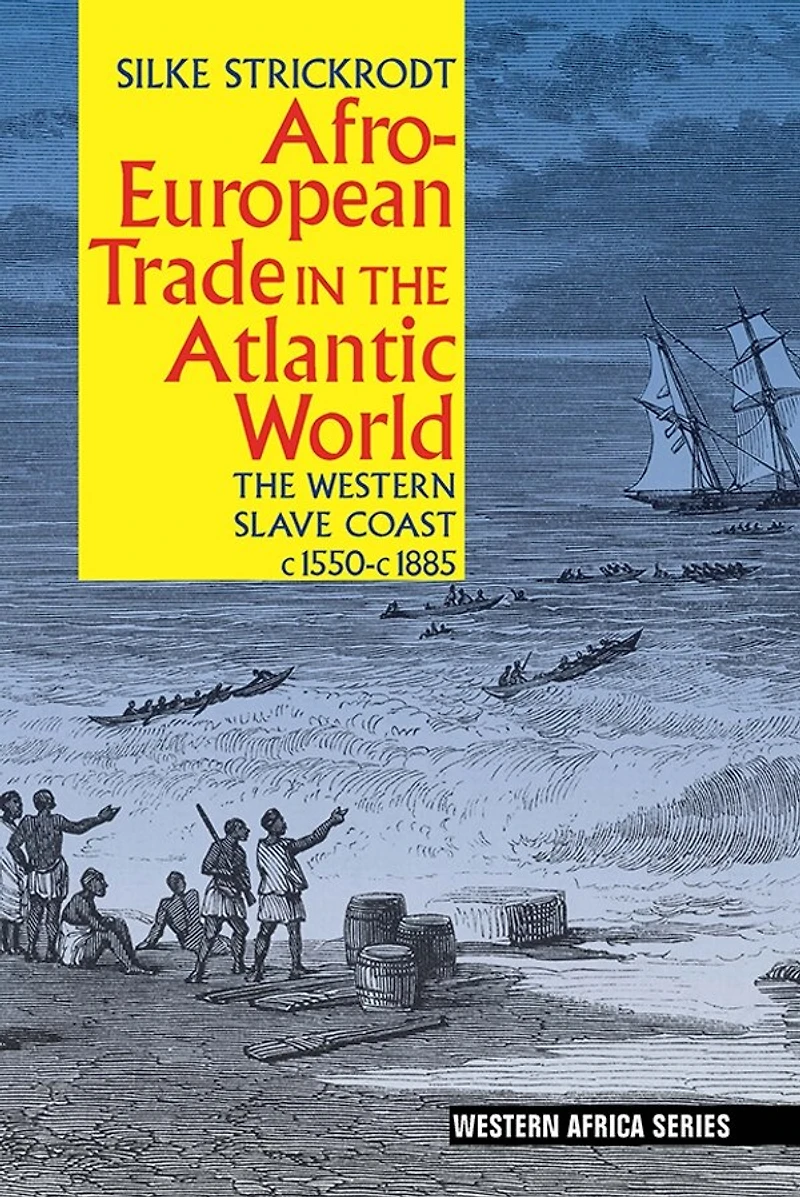
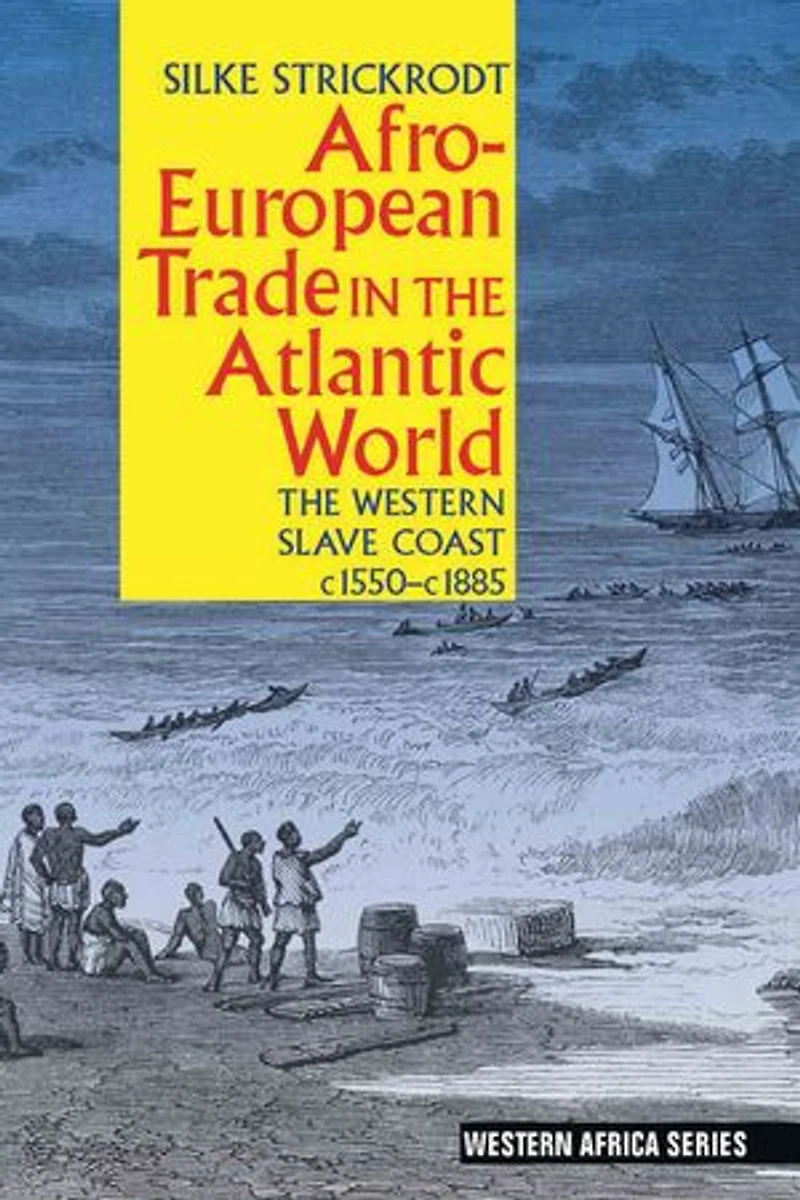
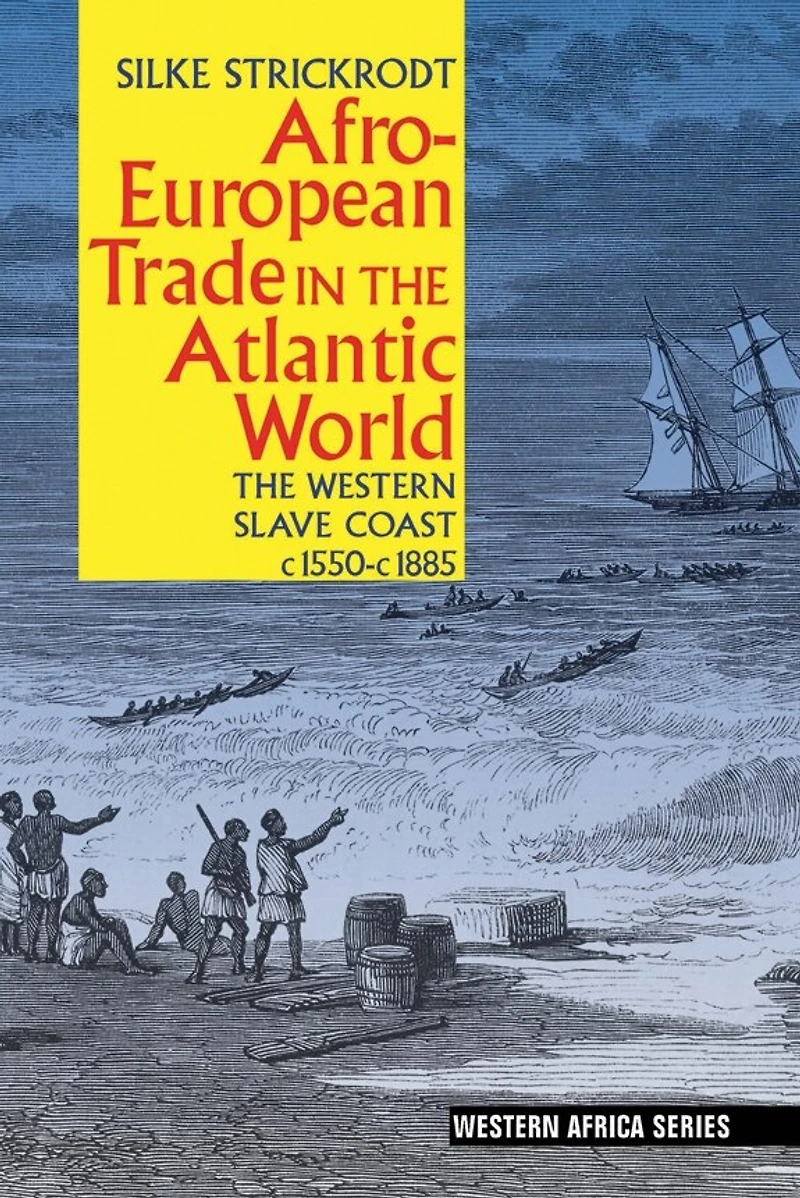
Afro-European Trade The Atlantic World: Western Slave Coast, c. 1550- 1885
Current price: $170.30

Afro-European Trade The Atlantic World: Western Slave Coast, c. 1550- 1885
Current price: $170.30
Loading Inventory...
Size: Hardcover
*Product information may vary - to confirm product availability, pricing, shipping and return information please contact Indigo
A uniquely detailed account of the dynamics of Afro-European trade in two states on the western Slave Coast over three centuries and the transition from slave trade to legitimate commerce.
From 1550 to colonial partition in the mid-1880s, trade was key to Afro-European relations on the western Slave Coast (the coastal areas of modern Togo and parts of what are now Ghana and Benin). This book looks at the commercialrelations of two states which played a crucial role in the Atlantic slave trade as well as the trade in ivory and agricultural produce: Hula, known to European traders as Grand Popo (now in Benin) and Ge, known as Little Popo (nowin Togo). Situated between the Gold Coast to the west and the eastern Slave Coast to the east, this region was an important supplier of provisions for Europeans and the enslaved Africans they purchased. Also, due to its positionin the lagoon system, it facilitated communication along the coast between the trading companies' headquarters on the western Gold Coast and their factories on the eastern Slave Coast, particularly at Ouidah, the Slave Coast's major slave port. In the 19th century, when the trade at more established ports was disrupted by the men-of-war of the British anti-slave trade squadron, the western Slave Coast became a hot-spot of illegal slave trading.
Providing a detailed reconstruction of political and commercial developments in the western Slave coast, including the transition from the slave trade to legitimate commerce, this book also reveals the region's position in the wider trans-Atlantic trade network and how cross-cultural partnerships were negotiated; the trade's impact on African coastal "middlemen" communities; and the relative importance of local and global factors for the history of a region or community.
Silke Strickrodt is Visiting Research Fellow at the Department of African Studies and Anthropology at the University of Birmingham. She is co-editor (with Robin Law and Suzanne Schwarz) of Commercial Agriculture, the Slave Trade and Slavery in Atlantic Africa (James Currey, 2013).
A uniquely detailed account of the dynamics of Afro-European trade in two states on the western Slave Coast over three centuries and the transition from slave trade to legitimate commerce.
From 1550 to colonial partition in the mid-1880s, trade was key to Afro-European relations on the western Slave Coast (the coastal areas of modern Togo and parts of what are now Ghana and Benin). This book looks at the commercialrelations of two states which played a crucial role in the Atlantic slave trade as well as the trade in ivory and agricultural produce: Hula, known to European traders as Grand Popo (now in Benin) and Ge, known as Little Popo (nowin Togo). Situated between the Gold Coast to the west and the eastern Slave Coast to the east, this region was an important supplier of provisions for Europeans and the enslaved Africans they purchased. Also, due to its positionin the lagoon system, it facilitated communication along the coast between the trading companies' headquarters on the western Gold Coast and their factories on the eastern Slave Coast, particularly at Ouidah, the Slave Coast's major slave port. In the 19th century, when the trade at more established ports was disrupted by the men-of-war of the British anti-slave trade squadron, the western Slave Coast became a hot-spot of illegal slave trading.
Providing a detailed reconstruction of political and commercial developments in the western Slave coast, including the transition from the slave trade to legitimate commerce, this book also reveals the region's position in the wider trans-Atlantic trade network and how cross-cultural partnerships were negotiated; the trade's impact on African coastal "middlemen" communities; and the relative importance of local and global factors for the history of a region or community.
Silke Strickrodt is Visiting Research Fellow at the Department of African Studies and Anthropology at the University of Birmingham. She is co-editor (with Robin Law and Suzanne Schwarz) of Commercial Agriculture, the Slave Trade and Slavery in Atlantic Africa (James Currey, 2013).
You May Also Like








More About Indigo at Erin Mills Town Centre
The largest book retailer in Canada also offers toys, music, home décor, gifts and lifestyle products. What's Inside...Books, Magazines, CD’s and DVD’s, Toys and Gifts, Home Accents, Electronics, Baby’s and Children’s Section, Bath and Body, Kitchen and Bedroom, Stationary Located outside in the exterior plaza.
5015 Glen Erin Dr, Mississauga, ON L5M 0R7, Canada
Find Indigo at Erin Mills Town Centre in Mississauga ON
Visit Indigo at Erin Mills Town Centre in Mississauga ON