

GIVE THE PERFECT GIFT
Erin Mills Town Centre Gift Cards are the perfect choice for your gift giving needs.Purchase gift cards at kiosks near the food court or centre court, at Guest Services, or click below to purchase online.PURCHASE HEREHome
After the Exodus: Gender and Belonging in Bangladesh's Rohingya Refugee Camps
Indigo
Loading Inventory...
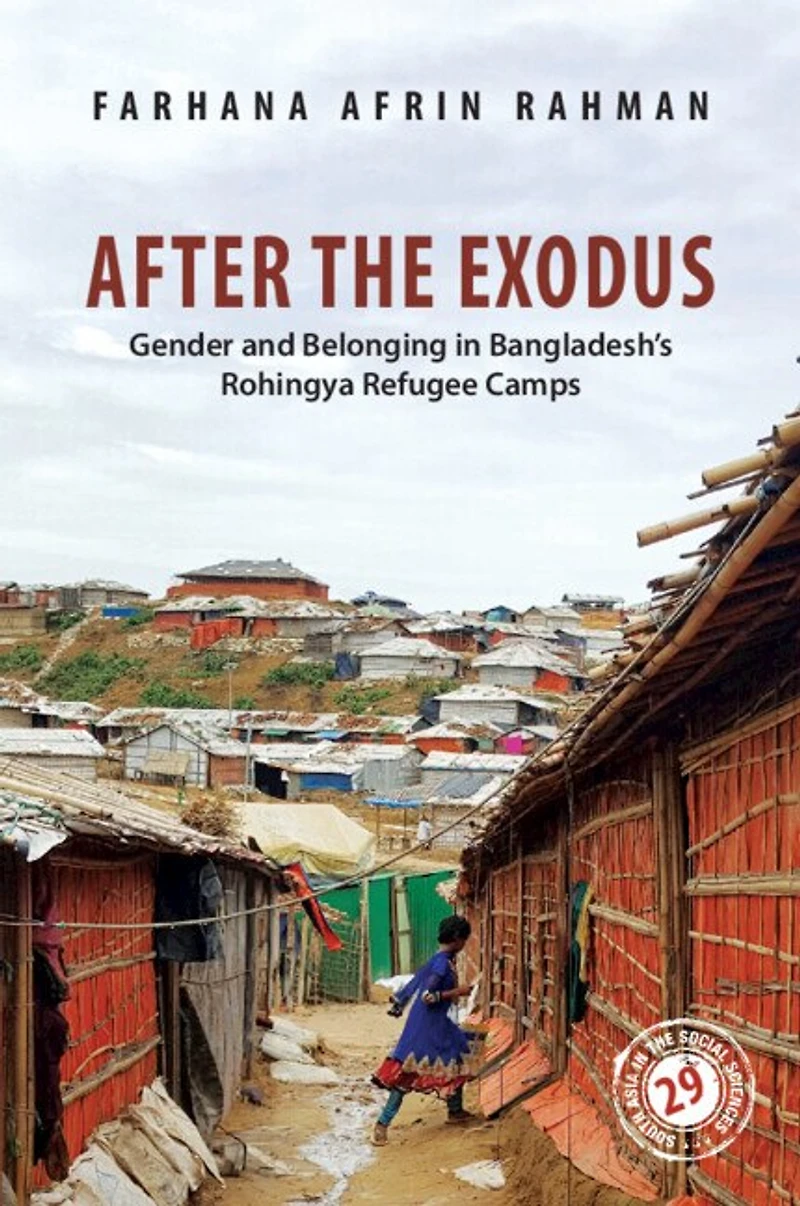
After the Exodus: Gender and Belonging in Bangladesh's Rohingya Refugee Camps
Current price: $137.95

After the Exodus: Gender and Belonging in Bangladesh's Rohingya Refugee Camps
Current price: $137.95
Loading Inventory...
Size: Hardcover
*Product information may vary - to confirm product availability, pricing, shipping and return information please contact Indigo
After the Exodus examines how forced migration of the Rohingya from Myanmar to Bangladesh has affected the gendered subjectivities and lived experiences of Rohingya refugee women, and transformed gender relations and roles in displacement. Based on 14 months of feminist ethnographic fieldwork in Bangladesh's Kutupalong-Balukhali refugee camp in 2017 and 2018, the book uncovers the everyday strategies employed by refugee women to create a sense of belonging and to make a life for themselves after forced migration. Rohingya women adapt to camp life by negotiating marriage and intimate experiences, adjusting to changing gender divisions of labour, and navigating encounters with humanitarian aid agencies and male camp leaders. These women strategically bargain shifting power relations to reconstruct their lives in displacement, thereby reclaiming agency and asserting their identity through the spaces they create, inhabit, and reshape; the coping mechanisms they employ; and the bonds of kinship and community they forge.
After the Exodus examines how forced migration of the Rohingya from Myanmar to Bangladesh has affected the gendered subjectivities and lived experiences of Rohingya refugee women, and transformed gender relations and roles in displacement. Based on 14 months of feminist ethnographic fieldwork in Bangladesh's Kutupalong-Balukhali refugee camp in 2017 and 2018, the book uncovers the everyday strategies employed by refugee women to create a sense of belonging and to make a life for themselves after forced migration. Rohingya women adapt to camp life by negotiating marriage and intimate experiences, adjusting to changing gender divisions of labour, and navigating encounters with humanitarian aid agencies and male camp leaders. These women strategically bargain shifting power relations to reconstruct their lives in displacement, thereby reclaiming agency and asserting their identity through the spaces they create, inhabit, and reshape; the coping mechanisms they employ; and the bonds of kinship and community they forge.
You May Also Like









More About Indigo at Erin Mills Town Centre
The largest book retailer in Canada also offers toys, music, home décor, gifts and lifestyle products. What's Inside...Books, Magazines, CD’s and DVD’s, Toys and Gifts, Home Accents, Electronics, Baby’s and Children’s Section, Bath and Body, Kitchen and Bedroom, Stationary Located outside in the exterior plaza.
5015 Glen Erin Dr, Mississauga, ON L5M 0R7, Canada
Find Indigo at Erin Mills Town Centre in Mississauga ON
Visit Indigo at Erin Mills Town Centre in Mississauga ON