

GIVE THE PERFECT GIFT
Erin Mills Town Centre Gift Cards are the perfect choice for your gift giving needs.Purchase gift cards at kiosks near the food court or centre court, at Guest Services, or click below to purchase online.PURCHASE HEREHome
After the Map: Cartography, Navigation, and the Transformation of Territory in the Twentieth Century
Indigo
Loading Inventory...
After the Map: Cartography, Navigation, and the Transformation of Territory in the Twentieth Century
Current price: $17.59
Original price: $21.99

After the Map: Cartography, Navigation, and the Transformation of Territory in the Twentieth Century
Current price: $17.59
Original price: $21.99
Loading Inventory...
Size: Kobo eBook
*Product information may vary - to confirm product availability, pricing, shipping and return information please contact Indigo
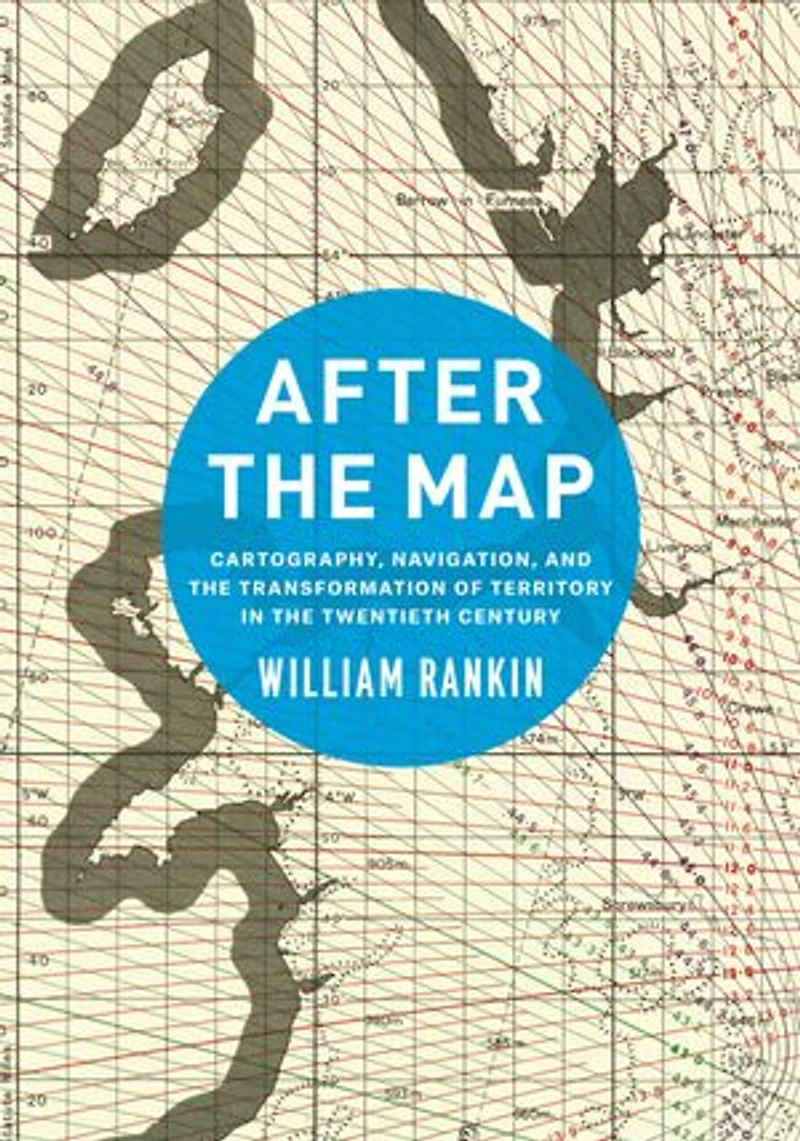
For most of the twentieth century, maps were indispensable. They were how governments understood, managed, and defended their territory, and during the two world wars they were produced by the hundreds of millions. Cartographers and journalists predicted the dawning of a "map-minded age," where increasingly state-of-the-art maps would become everyday tools. By the century's end, however, there had been decisive shift in mapping practices, as the dominant methods of land surveying and print publication were increasingly displaced by electronic navigation systems.
In After the Map , William Rankin argues that although this shift did not render traditional maps obsolete, it did radically change our experience of geographic knowledge, from the God's-eye view of the map to the embedded subjectivity of GPS. Likewise, older concerns with geographic truth and objectivity have been upstaged by a new emphasis on simplicity, reliability, and convenience. After the Map shows how this change in geographic perspective is ultimately a transformation of the nature of territory, both social and political.
For most of the twentieth century, maps were indispensable. They were how governments understood, managed, and defended their territory, and during the two world wars they were produced by the hundreds of millions. Cartographers and journalists predicted the dawning of a "map-minded age," where increasingly state-of-the-art maps would become everyday tools. By the century's end, however, there had been decisive shift in mapping practices, as the dominant methods of land surveying and print publication were increasingly displaced by electronic navigation systems.
In After the Map , William Rankin argues that although this shift did not render traditional maps obsolete, it did radically change our experience of geographic knowledge, from the God's-eye view of the map to the embedded subjectivity of GPS. Likewise, older concerns with geographic truth and objectivity have been upstaged by a new emphasis on simplicity, reliability, and convenience. After the Map shows how this change in geographic perspective is ultimately a transformation of the nature of territory, both social and political.
You May Also Like









More About Indigo at Erin Mills Town Centre
The largest book retailer in Canada also offers toys, music, home décor, gifts and lifestyle products. What's Inside...Books, Magazines, CD’s and DVD’s, Toys and Gifts, Home Accents, Electronics, Baby’s and Children’s Section, Bath and Body, Kitchen and Bedroom, Stationary Located outside in the exterior plaza.
5015 Glen Erin Dr, Mississauga, ON L5M 0R7, Canada
Find Indigo at Erin Mills Town Centre in Mississauga ON
Visit Indigo at Erin Mills Town Centre in Mississauga ON