

GIVE THE PERFECT GIFT
Erin Mills Town Centre Gift Cards are the perfect choice for your gift giving needs.Purchase gift cards at kiosks near the food court or centre court, at Guest Services, or click below to purchase online.PURCHASE HEREHome
Allocating Authority: Who Should Do What European And International Law?
Indigo
Loading Inventory...
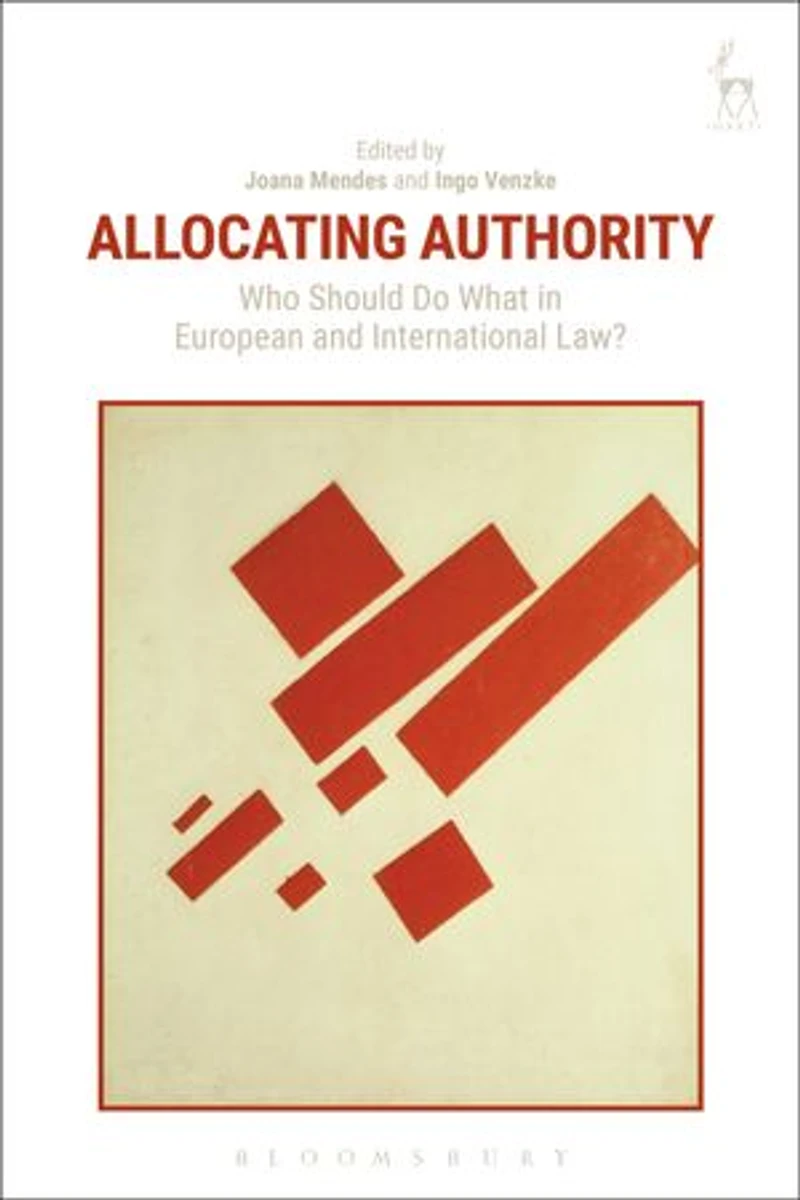
Allocating Authority: Who Should Do What European And International Law?
Current price: $61.99
Original price: $76.45

Allocating Authority: Who Should Do What European And International Law?
Current price: $61.99
Original price: $76.45
Loading Inventory...
Size: Kobo eBook
*Product information may vary - to confirm product availability, pricing, shipping and return information please contact Indigo
The question of which European or international institution should exercise public authority is a highly contested one. This new collection offers an innovative approach to answering this vexed question. It argues that by viewing public authority as relative, it allows for greater understanding of both its allocation and its legitimacy. Furthermore, it argues that relations between actors should reflect the comparative analysis of the legitimacy assets that each actor can bring into governance processes. Put succinctly, the volume illustrates that public authority is relative between actors and relative to specific legitimacy assets. Drawing on the expertise of leading scholars in the field, it offers a thought-provoking and rigorous analysis of the long debated question of who should do what in European and international law.
The question of which European or international institution should exercise public authority is a highly contested one. This new collection offers an innovative approach to answering this vexed question. It argues that by viewing public authority as relative, it allows for greater understanding of both its allocation and its legitimacy. Furthermore, it argues that relations between actors should reflect the comparative analysis of the legitimacy assets that each actor can bring into governance processes. Put succinctly, the volume illustrates that public authority is relative between actors and relative to specific legitimacy assets. Drawing on the expertise of leading scholars in the field, it offers a thought-provoking and rigorous analysis of the long debated question of who should do what in European and international law.
You May Also Like










More About Indigo at Erin Mills Town Centre
The largest book retailer in Canada also offers toys, music, home décor, gifts and lifestyle products. What's Inside...Books, Magazines, CD’s and DVD’s, Toys and Gifts, Home Accents, Electronics, Baby’s and Children’s Section, Bath and Body, Kitchen and Bedroom, Stationary Located outside in the exterior plaza.
5015 Glen Erin Dr, Mississauga, ON L5M 0R7, Canada
Find Indigo at Erin Mills Town Centre in Mississauga ON
Visit Indigo at Erin Mills Town Centre in Mississauga ON