

GIVE THE PERFECT GIFT
Erin Mills Town Centre Gift Cards are the perfect choice for your gift giving needs.Purchase gift cards at kiosks near the food court or centre court, at Guest Services, or click below to purchase online.PURCHASE HEREHome
Alton's Paradox: Foreign Film Workers And The Emergence Of Industrial Cinema Latin America
Indigo
Loading Inventory...
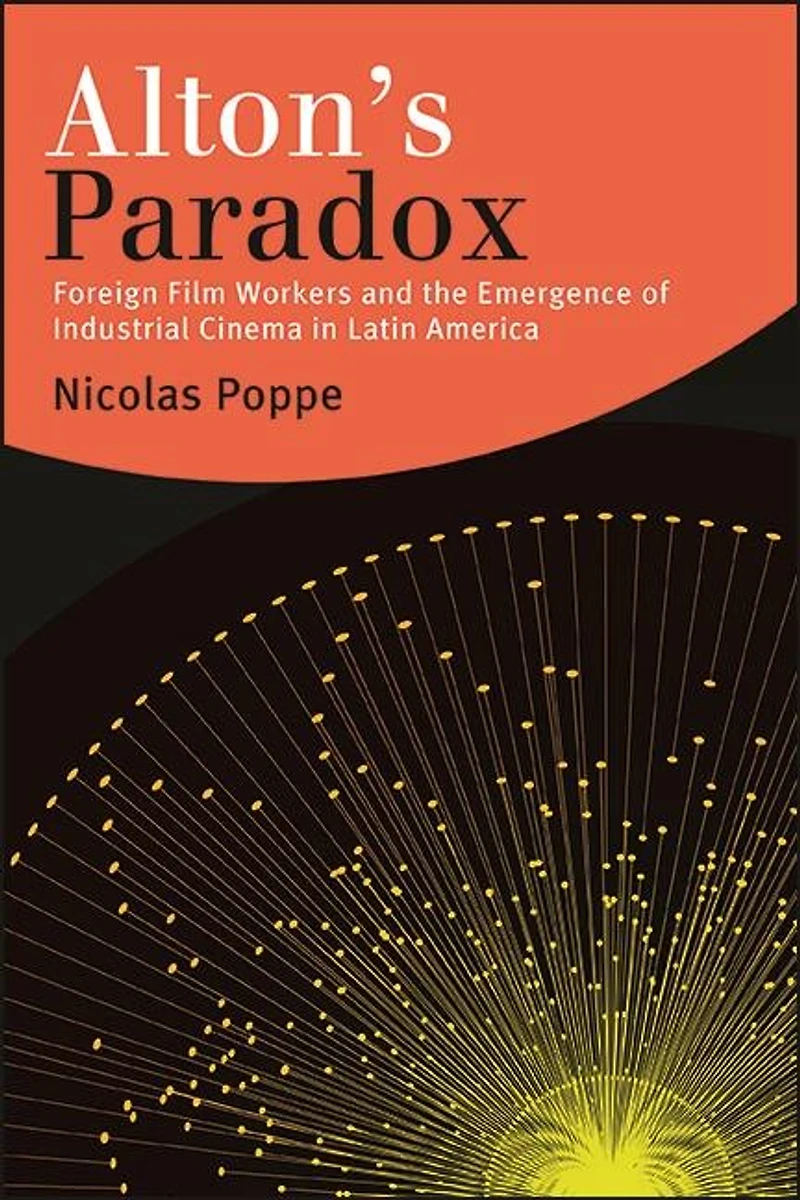
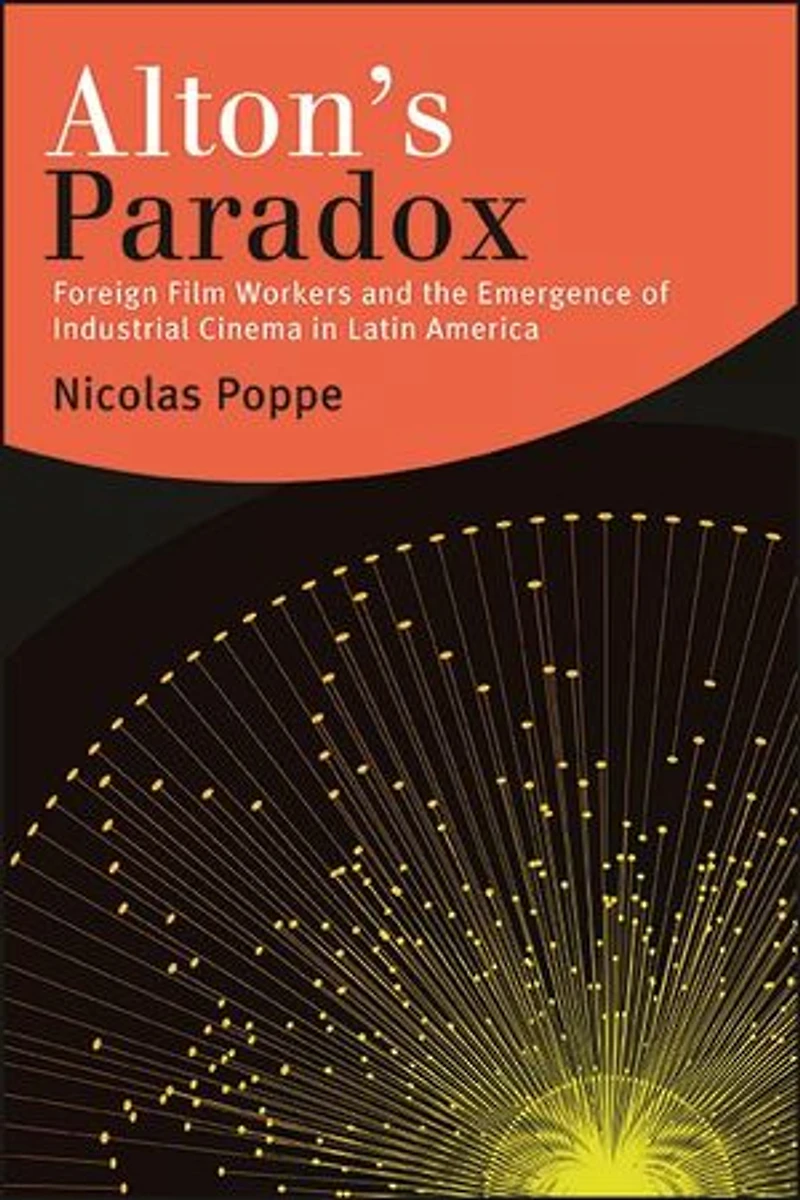
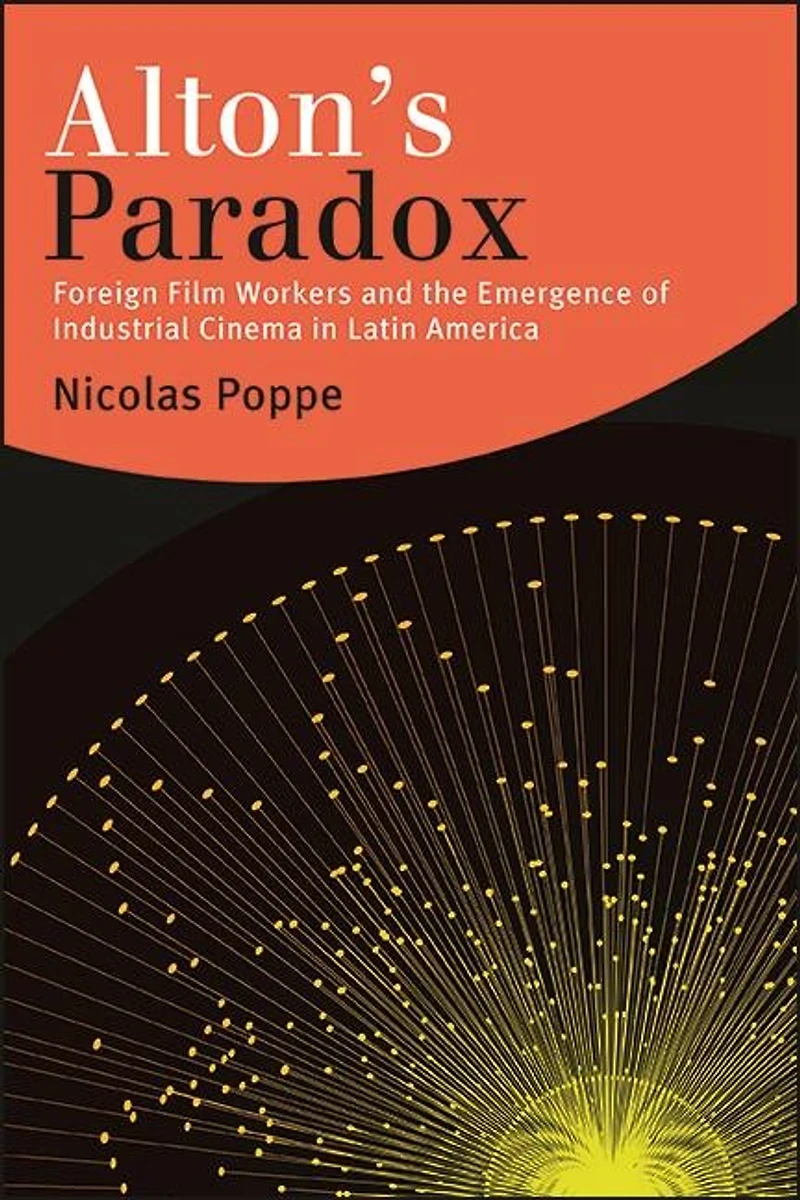
Alton's Paradox: Foreign Film Workers And The Emergence Of Industrial Cinema Latin America
Current price: $135.95

Alton's Paradox: Foreign Film Workers And The Emergence Of Industrial Cinema Latin America
Current price: $135.95
Loading Inventory...
Size: Hardcover
*Product information may vary - to confirm product availability, pricing, shipping and return information please contact Indigo
Uses extensive archival research to explore the manifold contributions of foreign film workers to emerging film industries in Latin America from the 1930s to early 1940s.
Alton's Paradox builds upon extensive archival and primary research, but uses a single text as its point of departure-a 1934 article by the Hungarian American cinematographer John Alton in the Hollywood-published International Photographer. Writing from Argentina, Alton paradoxically argues of cine nacional , "The possibilities are enormous, but not until foreign technicians will take the matter in their hands and with foreign organization will there be local industry." Nicolas Poppe argues that Alton succinctly articulates a line of thought commonly held across Latin America during the early sound period but little explored by scholars: that foreign labor was pivotal to the rise of national film industries. In tracking this paradox from Hollywood to Mexico to Argentina and beyond, Poppe reconsiders a series of notions inextricably tied to traditional film historiography, including authorship, (dis)continuation, intermediality, labor, National Cinema, and transnationalism. Wide-angled views of national film industries complement close-up analyses of the work of José Mojica, Alex Phillips, Juan Orol, Ángel Mentasti, and Tito Davison.
Uses extensive archival research to explore the manifold contributions of foreign film workers to emerging film industries in Latin America from the 1930s to early 1940s.
Alton's Paradox builds upon extensive archival and primary research, but uses a single text as its point of departure-a 1934 article by the Hungarian American cinematographer John Alton in the Hollywood-published International Photographer. Writing from Argentina, Alton paradoxically argues of cine nacional , "The possibilities are enormous, but not until foreign technicians will take the matter in their hands and with foreign organization will there be local industry." Nicolas Poppe argues that Alton succinctly articulates a line of thought commonly held across Latin America during the early sound period but little explored by scholars: that foreign labor was pivotal to the rise of national film industries. In tracking this paradox from Hollywood to Mexico to Argentina and beyond, Poppe reconsiders a series of notions inextricably tied to traditional film historiography, including authorship, (dis)continuation, intermediality, labor, National Cinema, and transnationalism. Wide-angled views of national film industries complement close-up analyses of the work of José Mojica, Alex Phillips, Juan Orol, Ángel Mentasti, and Tito Davison.
You May Also Like










More About Indigo at Erin Mills Town Centre
The largest book retailer in Canada also offers toys, music, home décor, gifts and lifestyle products. What's Inside...Books, Magazines, CD’s and DVD’s, Toys and Gifts, Home Accents, Electronics, Baby’s and Children’s Section, Bath and Body, Kitchen and Bedroom, Stationary Located outside in the exterior plaza.
5015 Glen Erin Dr, Mississauga, ON L5M 0R7, Canada
Find Indigo at Erin Mills Town Centre in Mississauga ON
Visit Indigo at Erin Mills Town Centre in Mississauga ON