

GIVE THE PERFECT GIFT
Erin Mills Town Centre Gift Cards are the perfect choice for your gift giving needs.Purchase gift cards at kiosks near the food court or centre court, at Guest Services, or click below to purchase online.PURCHASE HEREHome
American Fair Trade: Proprietary Capitalism, Corporatism, and the 'New Competition,' 1890–1940
Indigo
Loading Inventory...
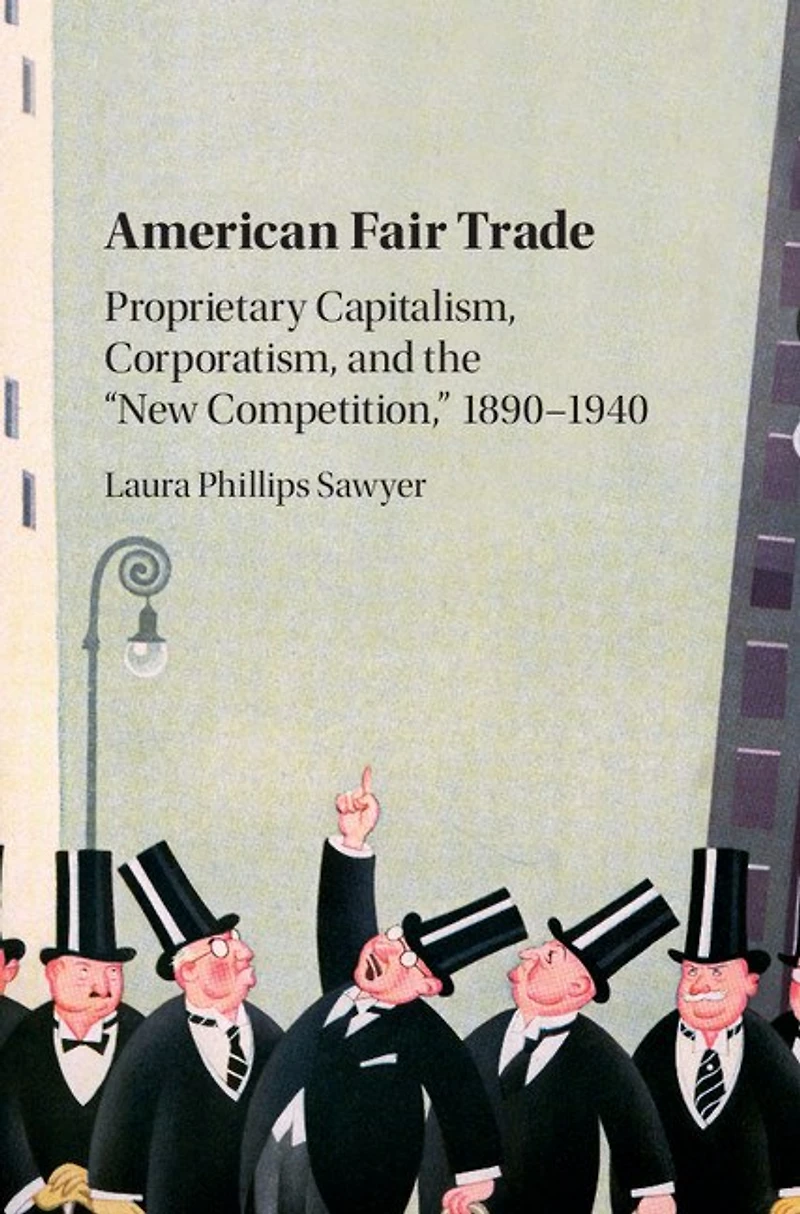
American Fair Trade: Proprietary Capitalism, Corporatism, and the 'New Competition,' 1890–1940
Current price: $86.95

American Fair Trade: Proprietary Capitalism, Corporatism, and the 'New Competition,' 1890–1940
Current price: $86.95
Loading Inventory...
Size: Hardcover
*Product information may vary - to confirm product availability, pricing, shipping and return information please contact Indigo
Rather than viewing the history of American capitalism as the unassailable ascent of large-scale corporations and free competition, American Fair Trade argues that trade associations of independent proprietors lobbied and litigated to reshape competition policy to their benefit. At the turn of the twentieth century, this widespread fair trade movement borrowed from progressive law and economics, demonstrating a persistent concern with market fairness - not only fair prices for consumers but also fair competition among businesses. Proponents of fair trade collaborated with regulators to create codes of fair competition and influenced the administrative state's public-private approach to market regulation. New Deal partnerships in planning borrowed from those efforts to manage competitive markets, yet ultimately discredited the fair trade model by mandating economy-wide trade rules that sharply reduced competition. Laura Phillips Sawyer analyzes how these efforts to reconcile the American tradition of a well-regulated society with the legacy of Gilded Age of laissez-faire capitalism produced the modern American regulatory state.
Rather than viewing the history of American capitalism as the unassailable ascent of large-scale corporations and free competition, American Fair Trade argues that trade associations of independent proprietors lobbied and litigated to reshape competition policy to their benefit. At the turn of the twentieth century, this widespread fair trade movement borrowed from progressive law and economics, demonstrating a persistent concern with market fairness - not only fair prices for consumers but also fair competition among businesses. Proponents of fair trade collaborated with regulators to create codes of fair competition and influenced the administrative state's public-private approach to market regulation. New Deal partnerships in planning borrowed from those efforts to manage competitive markets, yet ultimately discredited the fair trade model by mandating economy-wide trade rules that sharply reduced competition. Laura Phillips Sawyer analyzes how these efforts to reconcile the American tradition of a well-regulated society with the legacy of Gilded Age of laissez-faire capitalism produced the modern American regulatory state.













More About Indigo at Erin Mills Town Centre
The largest book retailer in Canada also offers toys, music, home décor, gifts and lifestyle products. What's Inside...Books, Magazines, CD’s and DVD’s, Toys and Gifts, Home Accents, Electronics, Baby’s and Children’s Section, Bath and Body, Kitchen and Bedroom, Stationary Located outside in the exterior plaza.
5015 Glen Erin Dr, Mississauga, ON L5M 0R7, Canada
Find Indigo at Erin Mills Town Centre in Mississauga ON
Visit Indigo at Erin Mills Town Centre in Mississauga ON