

GIVE THE PERFECT GIFT
Erin Mills Town Centre Gift Cards are the perfect choice for your gift giving needs.Purchase gift cards at kiosks near the food court or centre court, at Guest Services, or click below to purchase online.PURCHASE HEREHome
An Improbable War?: The Outbreak of World War I and European Political Culture before 1914
Indigo
Loading Inventory...
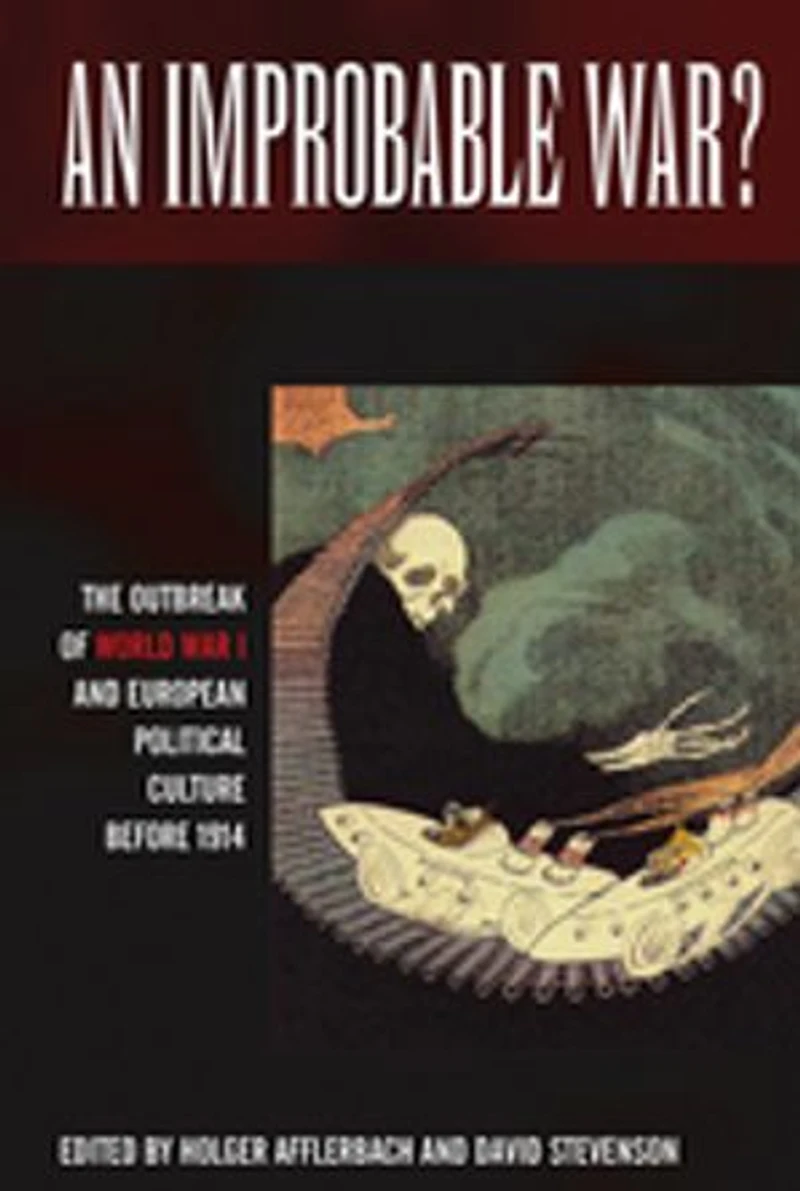
An Improbable War?: The Outbreak of World War I and European Political Culture before 1914
Current price: $24.99
Original price: $31.15

An Improbable War?: The Outbreak of World War I and European Political Culture before 1914
Current price: $24.99
Original price: $31.15
Loading Inventory...
Size: Kobo eBook
*Product information may vary - to confirm product availability, pricing, shipping and return information please contact Indigo
The First World War has been described as the "primordial catastrophe of the twentieth century." Arguably, Italian Fascism, German National Socialism and Soviet Leninism and Stalinism would not have emerged without the cultural and political shock of World War I. The question why this catastrophe happened therefore preoccupies historians to this day. The focus of this volume is not on the consequences, but rather on the connection between the Great War and the long 19th century, the short- and long-term causes of World War I. This approach results in the questioning of many received ideas about the war's causes, especially the notion of "inevitability."
The First World War has been described as the "primordial catastrophe of the twentieth century." Arguably, Italian Fascism, German National Socialism and Soviet Leninism and Stalinism would not have emerged without the cultural and political shock of World War I. The question why this catastrophe happened therefore preoccupies historians to this day. The focus of this volume is not on the consequences, but rather on the connection between the Great War and the long 19th century, the short- and long-term causes of World War I. This approach results in the questioning of many received ideas about the war's causes, especially the notion of "inevitability."
You May Also Like














More About Indigo at Erin Mills Town Centre
The largest book retailer in Canada also offers toys, music, home décor, gifts and lifestyle products. What's Inside...Books, Magazines, CD’s and DVD’s, Toys and Gifts, Home Accents, Electronics, Baby’s and Children’s Section, Bath and Body, Kitchen and Bedroom, Stationary Located outside in the exterior plaza.
5015 Glen Erin Dr, Mississauga, ON L5M 0R7, Canada
Find Indigo at Erin Mills Town Centre in Mississauga ON
Visit Indigo at Erin Mills Town Centre in Mississauga ON