

GIVE THE PERFECT GIFT
Erin Mills Town Centre Gift Cards are the perfect choice for your gift giving needs.Purchase gift cards at kiosks near the food court or centre court, at Guest Services, or click below to purchase online.PURCHASE HEREHome
Analysis and Formation of Disinfection Byproducts Drinking Water
Indigo
Loading Inventory...
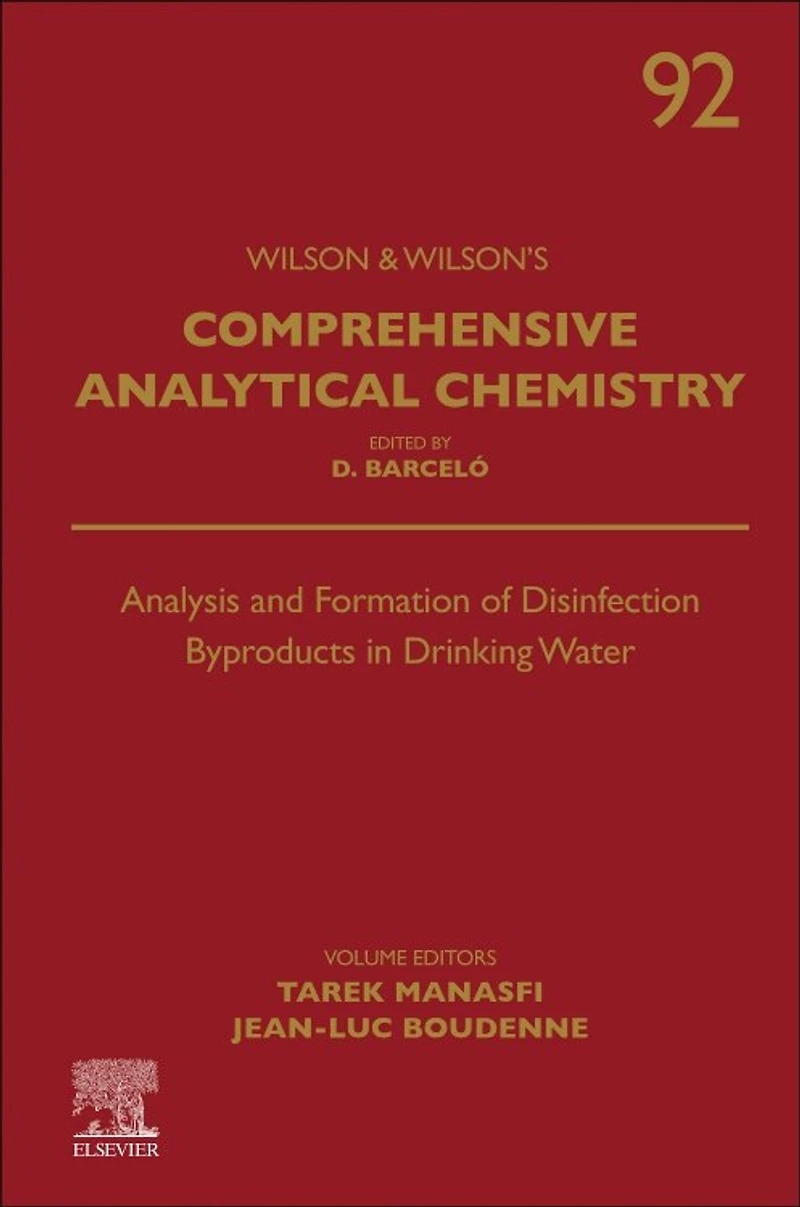
Analysis and Formation of Disinfection Byproducts Drinking Water
Current price: $377.50

Analysis and Formation of Disinfection Byproducts Drinking Water
Current price: $377.50
Loading Inventory...
Size: Hardcover
*Product information may vary - to confirm product availability, pricing, shipping and return information please contact Indigo
Drinking water disinfection has markedly reduced diseases causes by waterborne pathogenic microorganisms. However, an unintended consequence of disinfection and/or oxidation processes is the generation of disinfection byproducts (DBPs) which are formed from the reactions of disinfectants/oxidants with water matrix components. This volume of the Comprehensive Analytical Chemistry Handbook presents recent advances about the formation, identification, and quantification of inorganic and organic DBPs during oxidative processes. The book begins with a first chapter reviewing the most recent non-targeted screening approaches and workflows to characterize DBPs using low-, high-, and ultra-high-resolution mass spectrometry. The second chapter discusses the analysis of inorganic chloramines in waters using on-site and/or in-lab analytical methods. The third chapter provides an overview of the current knowledge about the mechanisms of chlorine dioxide reactions and byproducts formation. The fourth chapter presents some fundamental and practical aspects about ozonation processes in water treatment and provides an overview about ozone reaction mechanisms and byproducts formation. The fifth chapter focuses on the reactivity of halide ions, particularly bromide and iodide, with common oxidants and the role they play in determining the speciation of DBPs in treated waters. The chapter also presents strategies to mitigate the formation of DBPs during oxidation processes. Finally, the last chapter tackles the topic of DBPs formation during potable water reuse. It discusses the formation of DBPs of major concern in both memebrane-based and non-membrane-based potable water reuse treatment schemes.
Researchers, water treatment specialists, and regulators will find in this book a valuable and compact resource on several key topics regarding the formation, identification, quantification, and mitigation of DBPs.
Identification and quantification of known and unknown DBPs
Formation of DBPs during different disinfection/oxidation processes
DBPs of concern in new technologies and/or new applications of existing technologies in water treatment
Drinking water disinfection has markedly reduced diseases causes by waterborne pathogenic microorganisms. However, an unintended consequence of disinfection and/or oxidation processes is the generation of disinfection byproducts (DBPs) which are formed from the reactions of disinfectants/oxidants with water matrix components. This volume of the Comprehensive Analytical Chemistry Handbook presents recent advances about the formation, identification, and quantification of inorganic and organic DBPs during oxidative processes. The book begins with a first chapter reviewing the most recent non-targeted screening approaches and workflows to characterize DBPs using low-, high-, and ultra-high-resolution mass spectrometry. The second chapter discusses the analysis of inorganic chloramines in waters using on-site and/or in-lab analytical methods. The third chapter provides an overview of the current knowledge about the mechanisms of chlorine dioxide reactions and byproducts formation. The fourth chapter presents some fundamental and practical aspects about ozonation processes in water treatment and provides an overview about ozone reaction mechanisms and byproducts formation. The fifth chapter focuses on the reactivity of halide ions, particularly bromide and iodide, with common oxidants and the role they play in determining the speciation of DBPs in treated waters. The chapter also presents strategies to mitigate the formation of DBPs during oxidation processes. Finally, the last chapter tackles the topic of DBPs formation during potable water reuse. It discusses the formation of DBPs of major concern in both memebrane-based and non-membrane-based potable water reuse treatment schemes.
Researchers, water treatment specialists, and regulators will find in this book a valuable and compact resource on several key topics regarding the formation, identification, quantification, and mitigation of DBPs.
Identification and quantification of known and unknown DBPs
Formation of DBPs during different disinfection/oxidation processes
DBPs of concern in new technologies and/or new applications of existing technologies in water treatment
You May Also Like








More About Indigo at Erin Mills Town Centre
The largest book retailer in Canada also offers toys, music, home décor, gifts and lifestyle products. What's Inside...Books, Magazines, CD’s and DVD’s, Toys and Gifts, Home Accents, Electronics, Baby’s and Children’s Section, Bath and Body, Kitchen and Bedroom, Stationary Located outside in the exterior plaza.
5015 Glen Erin Dr, Mississauga, ON L5M 0R7, Canada
Find Indigo at Erin Mills Town Centre in Mississauga ON
Visit Indigo at Erin Mills Town Centre in Mississauga ON