

GIVE THE PERFECT GIFT
Erin Mills Town Centre Gift Cards are the perfect choice for your gift giving needs.Purchase gift cards at kiosks near the food court or centre court, at Guest Services, or click below to purchase online.PURCHASE HEREHome
Animals, Museum Culture and Children's Literature Nineteenth-Century Britain: Curious Beasties
Indigo
Loading Inventory...
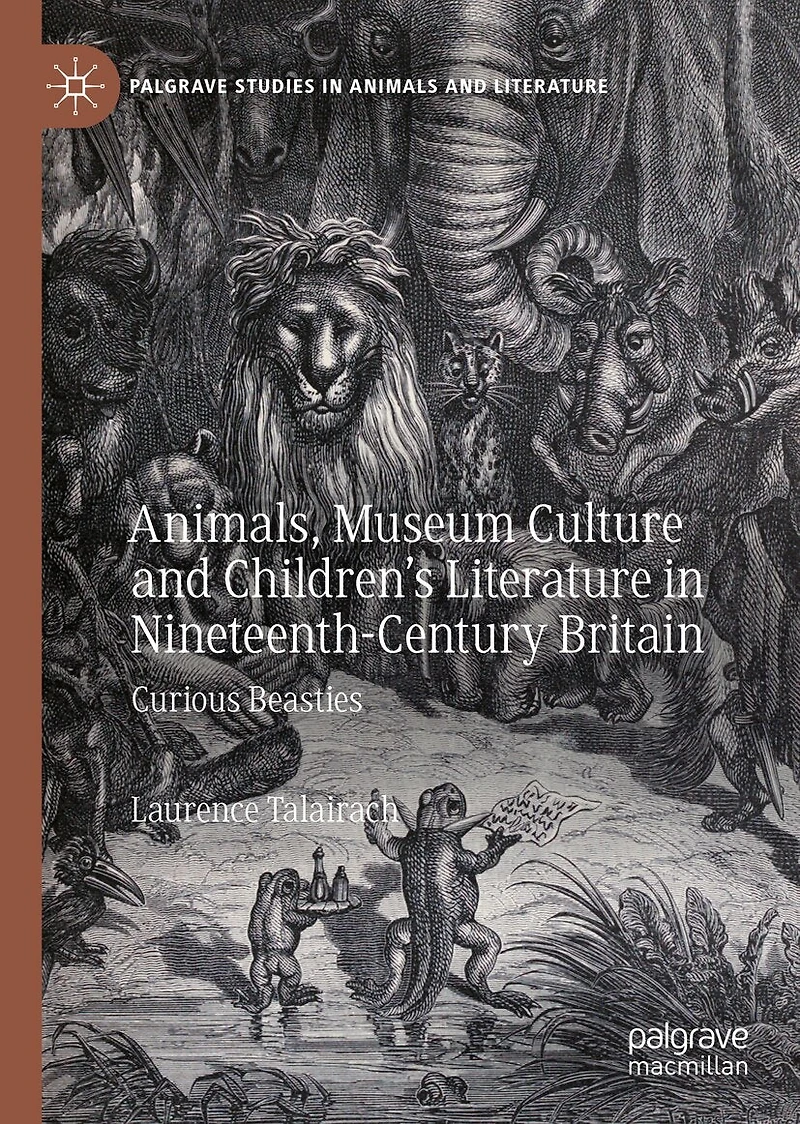
Animals, Museum Culture and Children's Literature Nineteenth-Century Britain: Curious Beasties
Current price: $204.50

Animals, Museum Culture and Children's Literature Nineteenth-Century Britain: Curious Beasties
Current price: $204.50
Loading Inventory...
Size: Hardcover
*Product information may vary - to confirm product availability, pricing, shipping and return information please contact Indigo
Animals, Museum Culture and Children's Literature in Nineteenth-Century Britain: Curious Beasties explores the relationship between the zoological and palaeontological specimens brought back from around the world in the long nineteenth century-be they alive, stuffed or fossilised-and the development of children's literature at this time. Children's literature emerged as dizzying numbers of new species flooded into Britain with scientific expeditions, from giraffes and hippopotami to kangaroos, wombats, platypuses or sloths. As the book argues, late Georgian, Victorian and Edwardian children's writers took part in the urge for mass education and presented the world and its curious creatures to children, often borrowing from their museum culture and its objects to map out that world. This original exploration illuminates how children's literature dealt with the new ordering of the world, offering a unique viewpoint on the construction of science in the long nineteenth century.
Animals, Museum Culture and Children's Literature in Nineteenth-Century Britain: Curious Beasties explores the relationship between the zoological and palaeontological specimens brought back from around the world in the long nineteenth century-be they alive, stuffed or fossilised-and the development of children's literature at this time. Children's literature emerged as dizzying numbers of new species flooded into Britain with scientific expeditions, from giraffes and hippopotami to kangaroos, wombats, platypuses or sloths. As the book argues, late Georgian, Victorian and Edwardian children's writers took part in the urge for mass education and presented the world and its curious creatures to children, often borrowing from their museum culture and its objects to map out that world. This original exploration illuminates how children's literature dealt with the new ordering of the world, offering a unique viewpoint on the construction of science in the long nineteenth century.
You May Also Like







More About Indigo at Erin Mills Town Centre
The largest book retailer in Canada also offers toys, music, home décor, gifts and lifestyle products. What's Inside...Books, Magazines, CD’s and DVD’s, Toys and Gifts, Home Accents, Electronics, Baby’s and Children’s Section, Bath and Body, Kitchen and Bedroom, Stationary Located outside in the exterior plaza.
5015 Glen Erin Dr, Mississauga, ON L5M 0R7, Canada
Find Indigo at Erin Mills Town Centre in Mississauga ON
Visit Indigo at Erin Mills Town Centre in Mississauga ON