

GIVE THE PERFECT GIFT
Erin Mills Town Centre Gift Cards are the perfect choice for your gift giving needs.Purchase gift cards at kiosks near the food court or centre court, at Guest Services, or click below to purchase online.PURCHASE HEREHome
Anti-Portraits: Poetics of the Face in Modern English, Polish and Russian Literature (1835-1965)
Indigo
Loading Inventory...
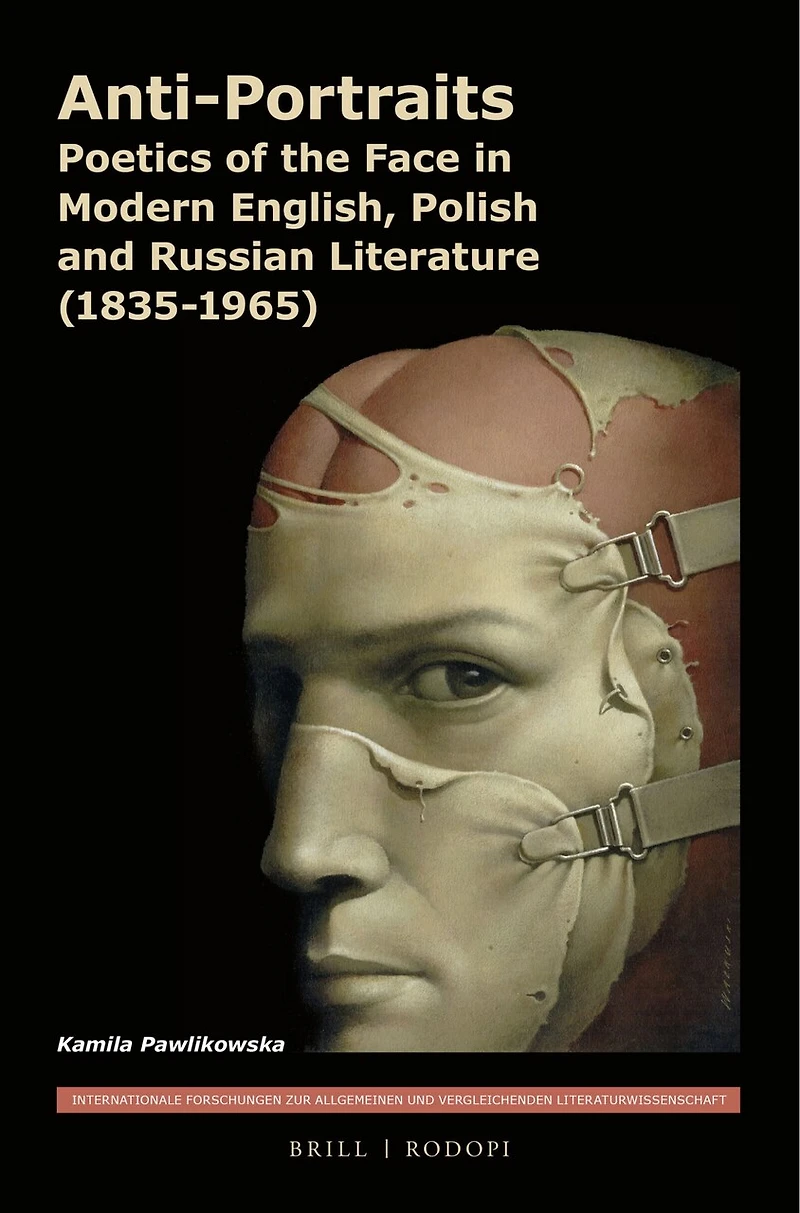
Anti-Portraits: Poetics of the Face in Modern English, Polish and Russian Literature (1835-1965)
Current price: $131.99

Anti-Portraits: Poetics of the Face in Modern English, Polish and Russian Literature (1835-1965)
Current price: $131.99
Loading Inventory...
Size: Paperback
*Product information may vary - to confirm product availability, pricing, shipping and return information please contact Indigo
Anti-Portraits: Poetics of the Face in Modern English, Polish and Russian Literature (1835-1965) is a study of a-physiognomic descriptions of the face. It demonstrates that writers such as George Eliot, Leo Tolstoy, Edgar Allan Poe, Nicolay Gogol, Virginia Woolf and Witold Gombrowicz vigorously resisted the belief that facial features reflect character.
While other studies tend to focus on descriptions which affirm physiognomy, this book examines portraits which question popular face-reading systems and contravene their common premise – the surface-depth principle. Such portraits reveal that physiognomic formula is a cultural construct, invented to abridge, organise and regulate legibility of the human face. Most importantly, strange and ‘unreadable’ fictional faces frequently expose the connection between physiognomic judgement and stereotyping, prejudice and racism.
Anti-Portraits: Poetics of the Face in Modern English, Polish and Russian Literature (1835-1965) is a study of a-physiognomic descriptions of the face. It demonstrates that writers such as George Eliot, Leo Tolstoy, Edgar Allan Poe, Nicolay Gogol, Virginia Woolf and Witold Gombrowicz vigorously resisted the belief that facial features reflect character.
While other studies tend to focus on descriptions which affirm physiognomy, this book examines portraits which question popular face-reading systems and contravene their common premise – the surface-depth principle. Such portraits reveal that physiognomic formula is a cultural construct, invented to abridge, organise and regulate legibility of the human face. Most importantly, strange and ‘unreadable’ fictional faces frequently expose the connection between physiognomic judgement and stereotyping, prejudice and racism.
You May Also Like







More About Indigo at Erin Mills Town Centre
The largest book retailer in Canada also offers toys, music, home décor, gifts and lifestyle products. What's Inside...Books, Magazines, CD’s and DVD’s, Toys and Gifts, Home Accents, Electronics, Baby’s and Children’s Section, Bath and Body, Kitchen and Bedroom, Stationary Located outside in the exterior plaza.
5015 Glen Erin Dr, Mississauga, ON L5M 0R7, Canada
Find Indigo at Erin Mills Town Centre in Mississauga ON
Visit Indigo at Erin Mills Town Centre in Mississauga ON