

GIVE THE PERFECT GIFT
Erin Mills Town Centre Gift Cards are the perfect choice for your gift giving needs.Purchase gift cards at kiosks near the food court or centre court, at Guest Services, or click below to purchase online.PURCHASE HEREHome
Arthur of England: English Attitudes to King and the Knights Round Table Middle Ages Renaissance
Indigo
Loading Inventory...
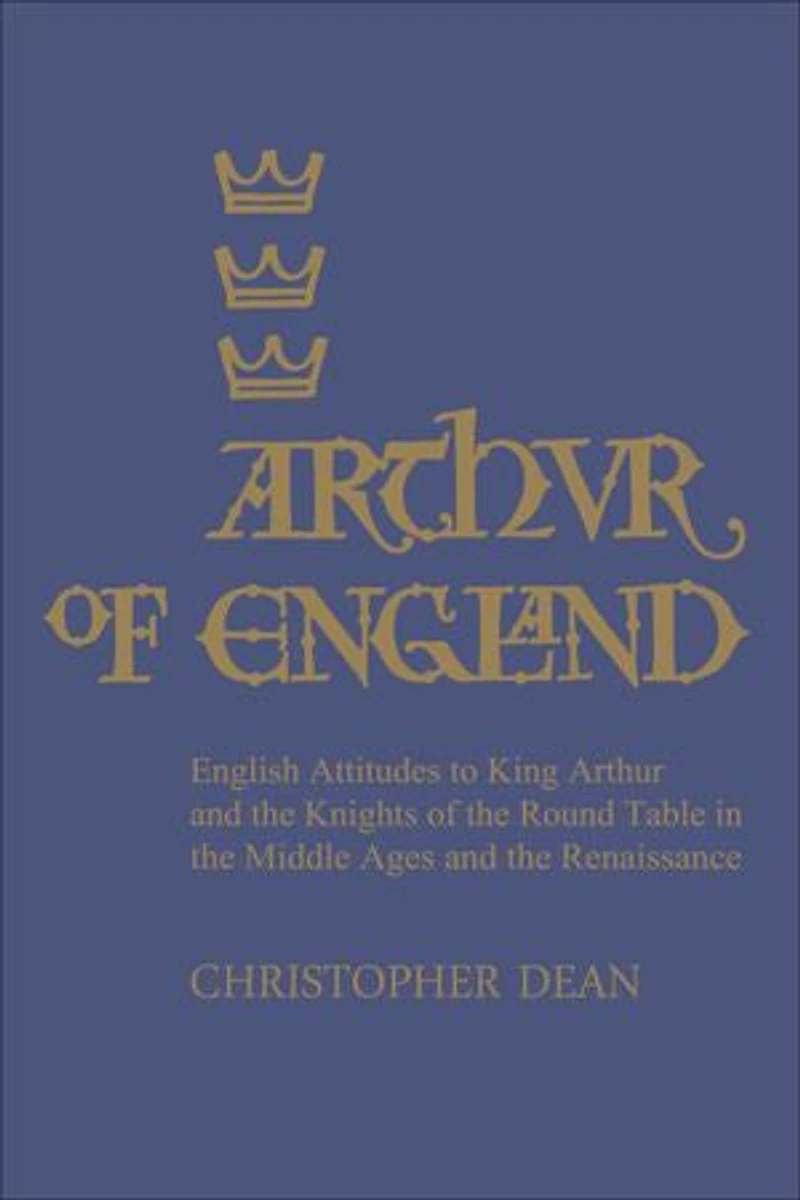
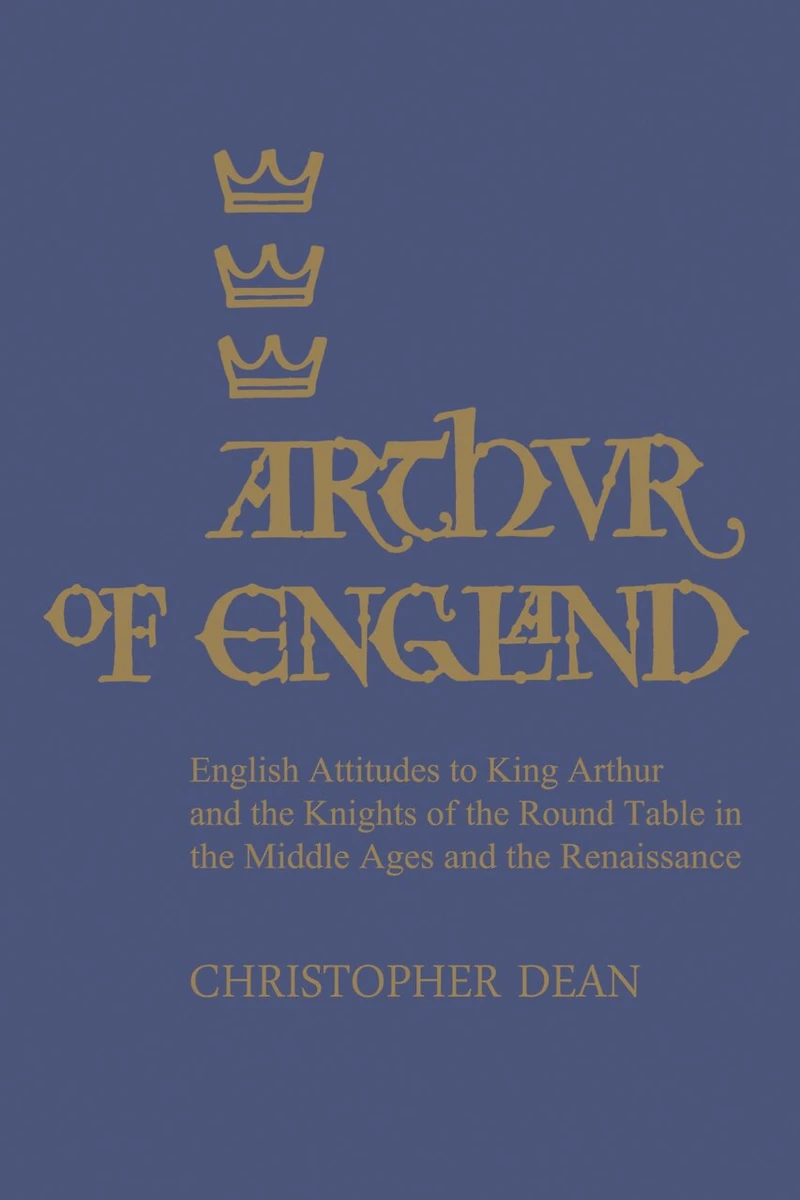
Arthur of England: English Attitudes to King and the Knights Round Table Middle Ages Renaissance
Current price: $32.79
Original price: $40.95

Arthur of England: English Attitudes to King and the Knights Round Table Middle Ages Renaissance
Current price: $32.79
Original price: $40.95
Loading Inventory...
Size: Kobo eBook
*Product information may vary - to confirm product availability, pricing, shipping and return information please contact Indigo
Today, popular imagination peoples the Middle Ages with damsels in distress and knights riding to their rescue. Of such knights, King Arthur and his companions are the most celebrated. It is certainly true that this is the time when the Arthurian story took shape and Arthurian literature flourished, and that most medieval historians included him in their histories of Britain, though some did so with a considerable degree of scepticism. But how widely was this literature known in its own day? How much credence did people generally place in this king who supposedly once ruled England?
To answer these questions, Christopher Dean looks at medieval and Renaissance Arthurian literature in detail, and also examines contemporary chronicles and histories, chivalric theory and practice, popular myths and legends, folk-lore and place-names. The result is to show dramatically that Arthur was not at all as well known as popular belief today fancies. As a historical figure he was early discredited; had it not been for his artificial revival by the Tudor monarchy and the furor caused by the attack upon him by the 'foreigner' Polydore Vergil, which incensed many patriotic Englishmen, his credibility might have disappeared much sooner than it did.
Except for Malory's work, medieval Arthurian literature, which often exists in no more than single manuscripts, did not have large audiences. And after 1500, only Edmund Spenser and Thomas Hughes attempted to write seriously on Arthurian themes. Among the ordinary citizens of England, Arthur was hardly known at all, any popular knowledge of him being almost entirely restricted to Wales, Devon, and Cornwall. Elsewhere in Britain the much more familiar figure was Robin Hood. For all the strength of the Arthurian legend as the ultimate medieval knight, he is essentially a modern hero.
Today, popular imagination peoples the Middle Ages with damsels in distress and knights riding to their rescue. Of such knights, King Arthur and his companions are the most celebrated. It is certainly true that this is the time when the Arthurian story took shape and Arthurian literature flourished, and that most medieval historians included him in their histories of Britain, though some did so with a considerable degree of scepticism. But how widely was this literature known in its own day? How much credence did people generally place in this king who supposedly once ruled England?
To answer these questions, Christopher Dean looks at medieval and Renaissance Arthurian literature in detail, and also examines contemporary chronicles and histories, chivalric theory and practice, popular myths and legends, folk-lore and place-names. The result is to show dramatically that Arthur was not at all as well known as popular belief today fancies. As a historical figure he was early discredited; had it not been for his artificial revival by the Tudor monarchy and the furor caused by the attack upon him by the 'foreigner' Polydore Vergil, which incensed many patriotic Englishmen, his credibility might have disappeared much sooner than it did.
Except for Malory's work, medieval Arthurian literature, which often exists in no more than single manuscripts, did not have large audiences. And after 1500, only Edmund Spenser and Thomas Hughes attempted to write seriously on Arthurian themes. Among the ordinary citizens of England, Arthur was hardly known at all, any popular knowledge of him being almost entirely restricted to Wales, Devon, and Cornwall. Elsewhere in Britain the much more familiar figure was Robin Hood. For all the strength of the Arthurian legend as the ultimate medieval knight, he is essentially a modern hero.
You May Also Like








More About Indigo at Erin Mills Town Centre
The largest book retailer in Canada also offers toys, music, home décor, gifts and lifestyle products. What's Inside...Books, Magazines, CD’s and DVD’s, Toys and Gifts, Home Accents, Electronics, Baby’s and Children’s Section, Bath and Body, Kitchen and Bedroom, Stationary Located outside in the exterior plaza.
5015 Glen Erin Dr, Mississauga, ON L5M 0R7, Canada
Find Indigo at Erin Mills Town Centre in Mississauga ON
Visit Indigo at Erin Mills Town Centre in Mississauga ON