

GIVE THE PERFECT GIFT
Erin Mills Town Centre Gift Cards are the perfect choice for your gift giving needs.Purchase gift cards at kiosks near the food court or centre court, at Guest Services, or click below to purchase online.PURCHASE HEREHome
Bearing Sin as Church Community: Bonhoeffer's Hamartiology
Indigo
Loading Inventory...
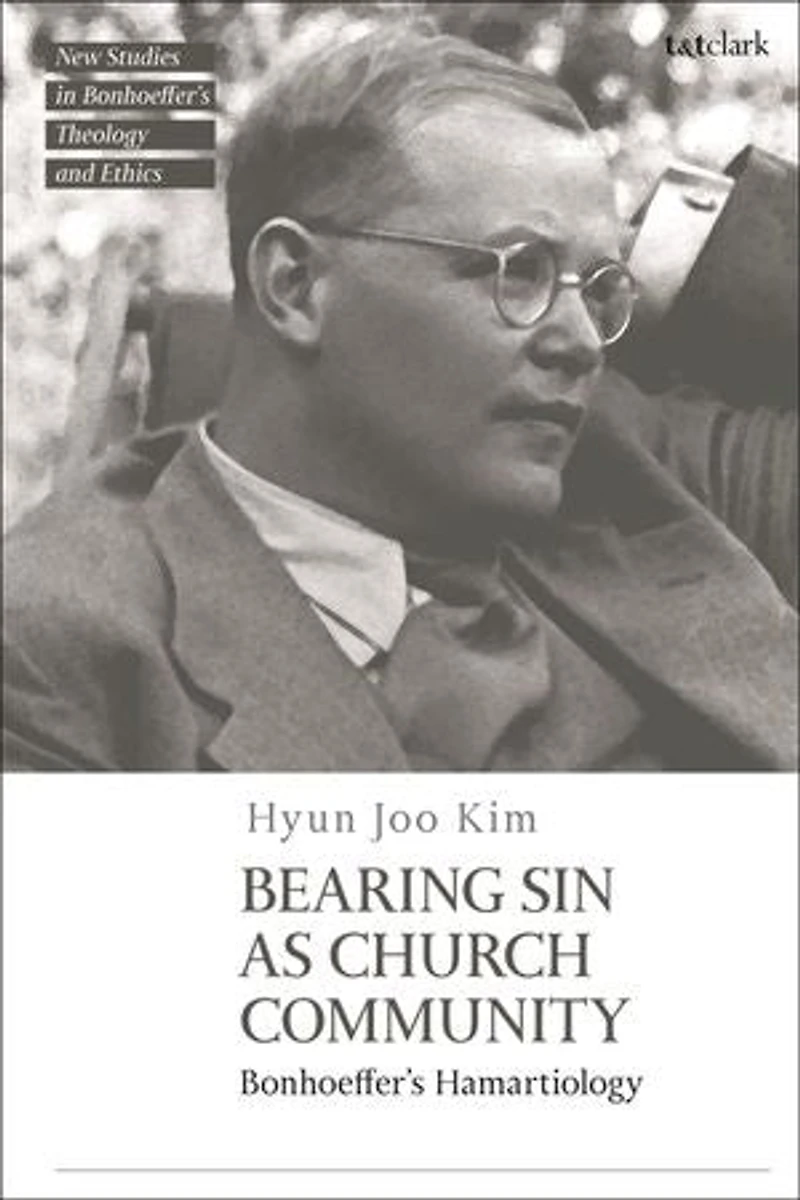
Bearing Sin as Church Community: Bonhoeffer's Hamartiology
Current price: $43.19
Original price: $53.95

Bearing Sin as Church Community: Bonhoeffer's Hamartiology
Current price: $43.19
Original price: $53.95
Loading Inventory...
Size: Kobo eBook
*Product information may vary - to confirm product availability, pricing, shipping and return information please contact Indigo
Hyun Joo Kim claims that Bonhoeffer transforms and reconstructs the Augustinian doctrine of original sin by shifting the hamartiological premise from the doctrine of God to the doctrine of the church based on his Lutheran resources. In Bonhoeffer's view, Augustine's doctrine of original sin does not fully relate the doctrine of sin to the responsibility of the saints. In order to reform Augustinian hamartiology, Bonhoeffer appropriates Augustine's notion of the church as the whole Christ ( totus Christus ), which is located in Augustine's ecclesiology. Kim explicates how Augustine relates his epistemological premises in his Christianized Platonism to his formulation of the doctrine of original sin, and examines how Luther's Christocentric standpoint transforms Augustine's anthropology and ultimately leads Luther to his relational hamartiology. Kim contends that Bonhoeffer's later hamartiology and ethics contain the most distinctive characteristics of Bonhoeffer's doctrine of sin, in that he not only incorporates both the active and passive dimensions of sin, but also intensifies his continuing notion of " vicarious representative action " towards the church community.
Hyun Joo Kim claims that Bonhoeffer transforms and reconstructs the Augustinian doctrine of original sin by shifting the hamartiological premise from the doctrine of God to the doctrine of the church based on his Lutheran resources. In Bonhoeffer's view, Augustine's doctrine of original sin does not fully relate the doctrine of sin to the responsibility of the saints. In order to reform Augustinian hamartiology, Bonhoeffer appropriates Augustine's notion of the church as the whole Christ ( totus Christus ), which is located in Augustine's ecclesiology. Kim explicates how Augustine relates his epistemological premises in his Christianized Platonism to his formulation of the doctrine of original sin, and examines how Luther's Christocentric standpoint transforms Augustine's anthropology and ultimately leads Luther to his relational hamartiology. Kim contends that Bonhoeffer's later hamartiology and ethics contain the most distinctive characteristics of Bonhoeffer's doctrine of sin, in that he not only incorporates both the active and passive dimensions of sin, but also intensifies his continuing notion of " vicarious representative action " towards the church community.
You May Also Like













More About Indigo at Erin Mills Town Centre
The largest book retailer in Canada also offers toys, music, home décor, gifts and lifestyle products. What's Inside...Books, Magazines, CD’s and DVD’s, Toys and Gifts, Home Accents, Electronics, Baby’s and Children’s Section, Bath and Body, Kitchen and Bedroom, Stationary Located outside in the exterior plaza.
5015 Glen Erin Dr, Mississauga, ON L5M 0R7, Canada
Find Indigo at Erin Mills Town Centre in Mississauga ON
Visit Indigo at Erin Mills Town Centre in Mississauga ON