

GIVE THE PERFECT GIFT
Erin Mills Town Centre Gift Cards are the perfect choice for your gift giving needs.Purchase gift cards at kiosks near the food court or centre court, at Guest Services, or click below to purchase online.PURCHASE HEREHome
Beyond Camps and Forced Labour: Proceedings of the Sixth International Conference
Indigo
Loading Inventory...
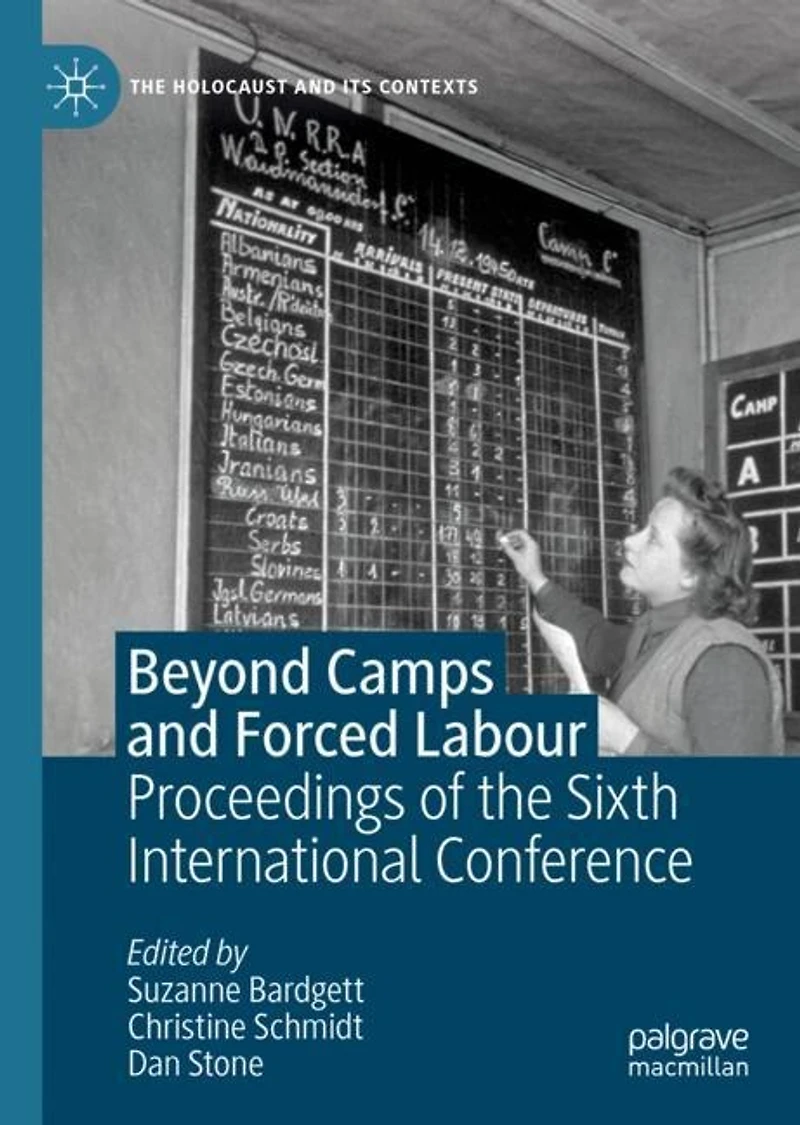
Beyond Camps and Forced Labour: Proceedings of the Sixth International Conference
Current price: $204.50

Beyond Camps and Forced Labour: Proceedings of the Sixth International Conference
Current price: $204.50
Loading Inventory...
Size: Hardcover
*Product information may vary - to confirm product availability, pricing, shipping and return information please contact Indigo
This book presents a selection of the newest research on themes amplified by the sixth annual Beyond Camps and Forced Labour conference on the post-Holocaust period, including 'displaced persons', reception and resettlement, exiles and refugees, trials and justice, reparation and restitution, and memory and testimony. The chapters highlight new, transnational approaches and findings based on underused and newly opened archives, including compensation files of the British government; on historical actors often on the periphery within English-language historiography, including Romanian and Hungarian survivors; and new approaches such as the spatial history of Drancy, as well as geographies that have undergone less scrutiny, for example, Tehran, Chile, Mexico and Cyprus. This volume represents the vibrant and varied state of research on the aftermath of the Holocaust.
This book presents a selection of the newest research on themes amplified by the sixth annual Beyond Camps and Forced Labour conference on the post-Holocaust period, including 'displaced persons', reception and resettlement, exiles and refugees, trials and justice, reparation and restitution, and memory and testimony. The chapters highlight new, transnational approaches and findings based on underused and newly opened archives, including compensation files of the British government; on historical actors often on the periphery within English-language historiography, including Romanian and Hungarian survivors; and new approaches such as the spatial history of Drancy, as well as geographies that have undergone less scrutiny, for example, Tehran, Chile, Mexico and Cyprus. This volume represents the vibrant and varied state of research on the aftermath of the Holocaust.
You May Also Like







More About Indigo at Erin Mills Town Centre
The largest book retailer in Canada also offers toys, music, home décor, gifts and lifestyle products. What's Inside...Books, Magazines, CD’s and DVD’s, Toys and Gifts, Home Accents, Electronics, Baby’s and Children’s Section, Bath and Body, Kitchen and Bedroom, Stationary Located outside in the exterior plaza.
5015 Glen Erin Dr, Mississauga, ON L5M 0R7, Canada
Find Indigo at Erin Mills Town Centre in Mississauga ON
Visit Indigo at Erin Mills Town Centre in Mississauga ON