

GIVE THE PERFECT GIFT
Erin Mills Town Centre Gift Cards are the perfect choice for your gift giving needs.Purchase gift cards at kiosks near the food court or centre court, at Guest Services, or click below to purchase online.PURCHASE HEREHome
Chandni Chowk: The Mughal City of Old Delhi
Indigo
Loading Inventory...
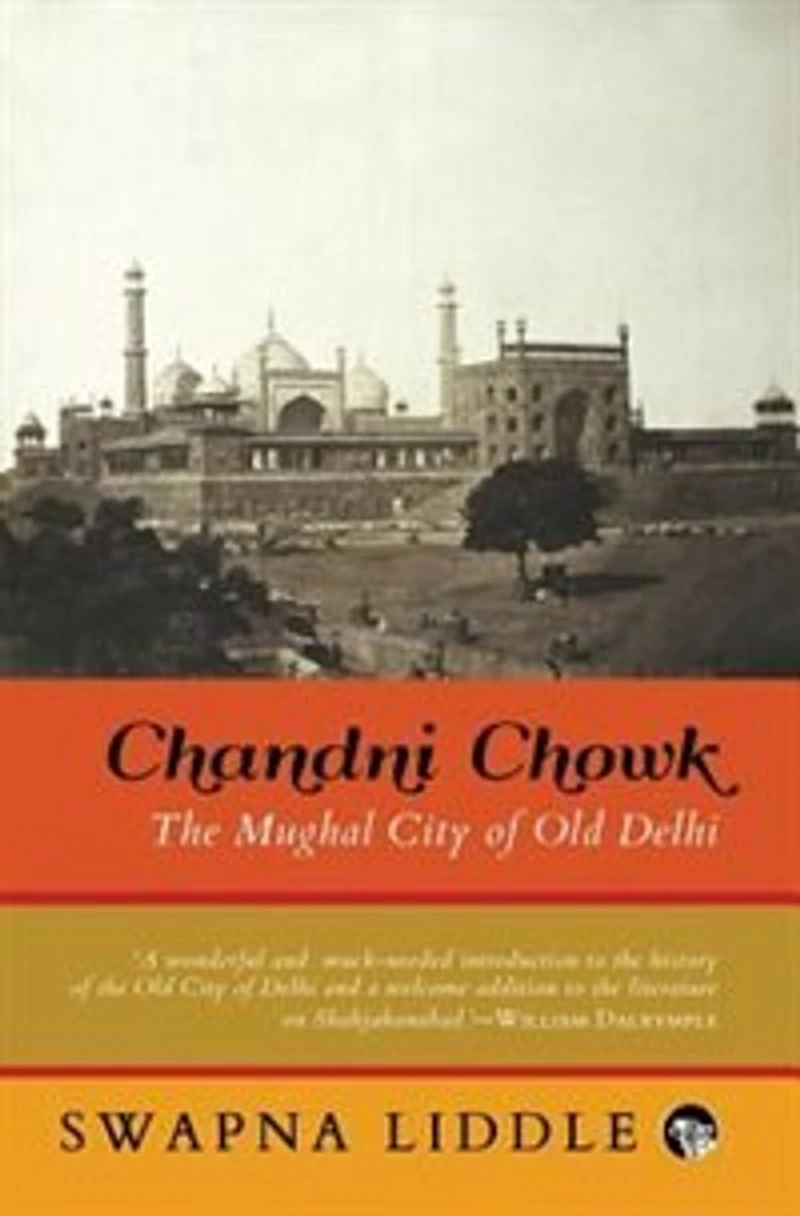
Chandni Chowk: The Mughal City of Old Delhi
Current price: $37.00

Chandni Chowk: The Mughal City of Old Delhi
Current price: $37.00
Loading Inventory...
Size: Large Print
*Product information may vary - to confirm product availability, pricing, shipping and return information please contact Indigo
What we know today as Chandni Chowk was once a part of one of the greatest cities of the world--the imperial city established by the Mughal emperor Shahjahan in the seventeenth century, and named after him--Shahjahanabad. This is the story of how the city came to be established, its grandeur as the capital of an empire at its peak, and its important role in shaping the language and culture of North India. It is also the story of the many tribulations the city has seen--the invasion of Nadir Shah, the Revolt of 1857, Partition. Today, Shahjahanabad has been subsumed under the gigantic sprawl of metropolitan Delhi. Yet it has an identity that is distinct. Popularly known as Chandni Chowk, its name conjures up romantic narrow streets, a variety of street food and exotic markets. For Shahjahanabad is still very much a living city, though the lives of the people inhabiting it have changed over the centuries. Dariba Kalan still has rows of flourishing jewellers' shops; Begum Samru's haveli is now Bhagirath Palace, a sprawling electronics market, and no visit to Chandni Chowk is complete without a meal at Karim's, whose chefs use recipes handed down to them through the ages for their mouth-watering biriyani and kebabs. Swapna Liddle draws upon a wide variety of sources, such as the accounts of Mughal court chroniclers, travellers' memoirs, poetry, newspapers and government documents, to paint a vivid and dynamic panorama of the city from its inception to recent times.
What we know today as Chandni Chowk was once a part of one of the greatest cities of the world--the imperial city established by the Mughal emperor Shahjahan in the seventeenth century, and named after him--Shahjahanabad. This is the story of how the city came to be established, its grandeur as the capital of an empire at its peak, and its important role in shaping the language and culture of North India. It is also the story of the many tribulations the city has seen--the invasion of Nadir Shah, the Revolt of 1857, Partition. Today, Shahjahanabad has been subsumed under the gigantic sprawl of metropolitan Delhi. Yet it has an identity that is distinct. Popularly known as Chandni Chowk, its name conjures up romantic narrow streets, a variety of street food and exotic markets. For Shahjahanabad is still very much a living city, though the lives of the people inhabiting it have changed over the centuries. Dariba Kalan still has rows of flourishing jewellers' shops; Begum Samru's haveli is now Bhagirath Palace, a sprawling electronics market, and no visit to Chandni Chowk is complete without a meal at Karim's, whose chefs use recipes handed down to them through the ages for their mouth-watering biriyani and kebabs. Swapna Liddle draws upon a wide variety of sources, such as the accounts of Mughal court chroniclers, travellers' memoirs, poetry, newspapers and government documents, to paint a vivid and dynamic panorama of the city from its inception to recent times.
You May Also Like








More About Indigo at Erin Mills Town Centre
The largest book retailer in Canada also offers toys, music, home décor, gifts and lifestyle products. What's Inside...Books, Magazines, CD’s and DVD’s, Toys and Gifts, Home Accents, Electronics, Baby’s and Children’s Section, Bath and Body, Kitchen and Bedroom, Stationary Located outside in the exterior plaza.
5015 Glen Erin Dr, Mississauga, ON L5M 0R7, Canada
Find Indigo at Erin Mills Town Centre in Mississauga ON
Visit Indigo at Erin Mills Town Centre in Mississauga ON