

GIVE THE PERFECT GIFT
Erin Mills Town Centre Gift Cards are the perfect choice for your gift giving needs.Purchase gift cards at kiosks near the food court or centre court, at Guest Services, or click below to purchase online.PURCHASE HEREHome
City of Brick and Steel: The Structure of New York Buildings
Indigo
Loading Inventory...
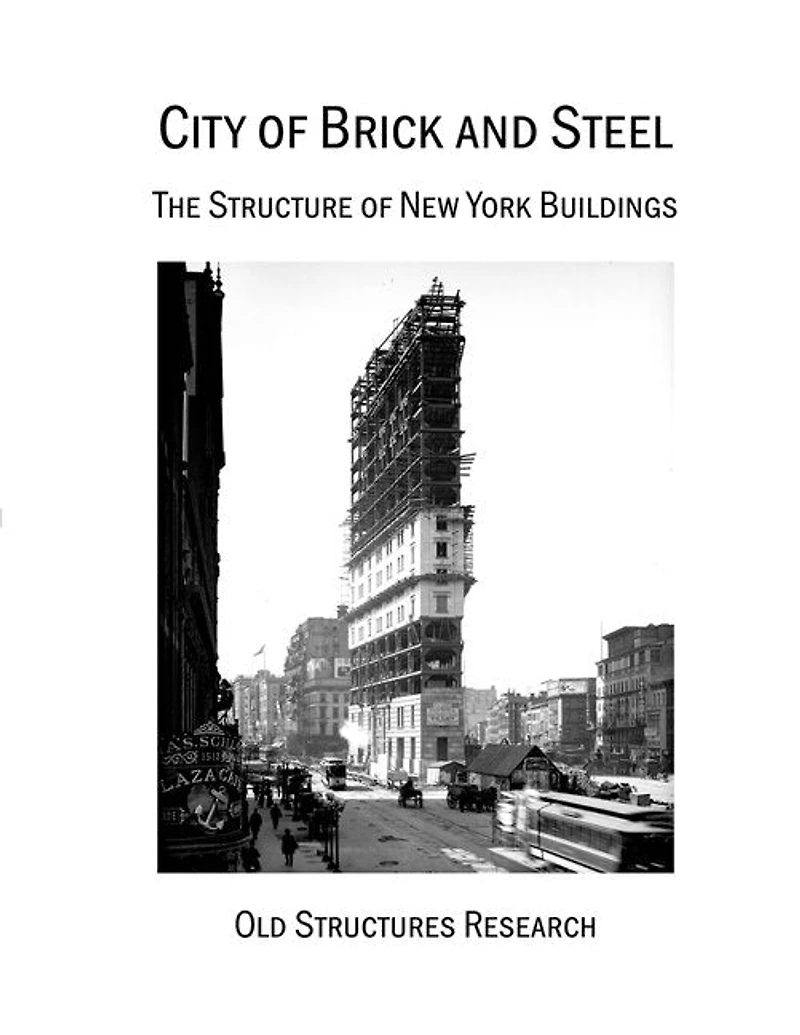
City of Brick and Steel: The Structure of New York Buildings
Current price: $25.95

City of Brick and Steel: The Structure of New York Buildings
Current price: $25.95
Loading Inventory...
Size: Paperback
*Product information may vary - to confirm product availability, pricing, shipping and return information please contact Indigo
City of Brick and Steel is a guide to the hidden structure that keeps over a million buildings in New York City buildings standing. We explain the basics of structure within the main types of buildings that make up the city as it is today. We also include descriptions of common types of damage and how to identify the different types from visible clues. The buildings date from the mid-1600s to the present and cover structure ranging from carpentry by farmers building their own houses to record-breaking steel and concrete high rises. The well-known skyscrapers and brownstones are examples of a broad spectrum of building types, each with its own particular structure, its own history of use, and its own patterns of aging.
City of Brick and Steel is a guide to the hidden structure that keeps over a million buildings in New York City buildings standing. We explain the basics of structure within the main types of buildings that make up the city as it is today. We also include descriptions of common types of damage and how to identify the different types from visible clues. The buildings date from the mid-1600s to the present and cover structure ranging from carpentry by farmers building their own houses to record-breaking steel and concrete high rises. The well-known skyscrapers and brownstones are examples of a broad spectrum of building types, each with its own particular structure, its own history of use, and its own patterns of aging.
You May Also Like









More About Indigo at Erin Mills Town Centre
The largest book retailer in Canada also offers toys, music, home décor, gifts and lifestyle products. What's Inside...Books, Magazines, CD’s and DVD’s, Toys and Gifts, Home Accents, Electronics, Baby’s and Children’s Section, Bath and Body, Kitchen and Bedroom, Stationary Located outside in the exterior plaza.
5015 Glen Erin Dr, Mississauga, ON L5M 0R7, Canada
Find Indigo at Erin Mills Town Centre in Mississauga ON
Visit Indigo at Erin Mills Town Centre in Mississauga ON