

GIVE THE PERFECT GIFT
Erin Mills Town Centre Gift Cards are the perfect choice for your gift giving needs.Purchase gift cards at kiosks near the food court or centre court, at Guest Services, or click below to purchase online.PURCHASE HEREHome
College Identity Sagas: Investigating Organizational Preservation and Diminishment at Lutheran Colleges Universities
Indigo
Loading Inventory...
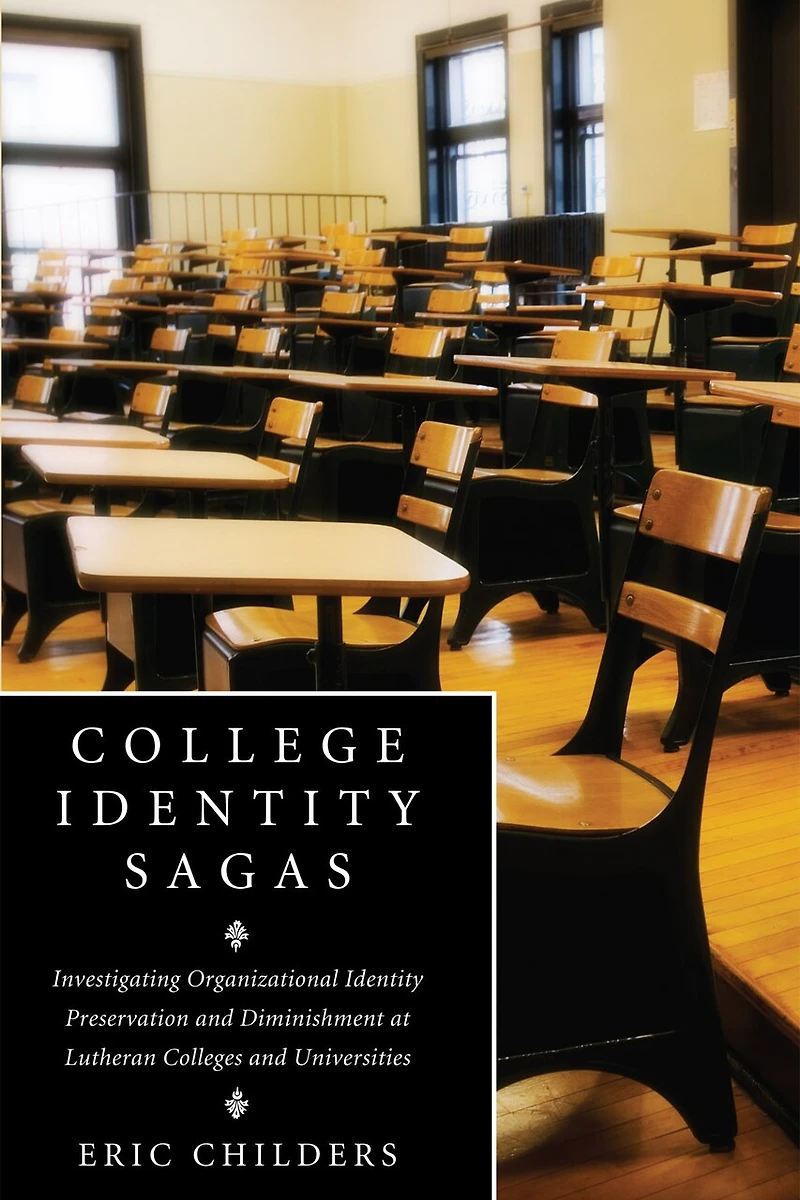
College Identity Sagas: Investigating Organizational Preservation and Diminishment at Lutheran Colleges Universities
Current price: $73.00

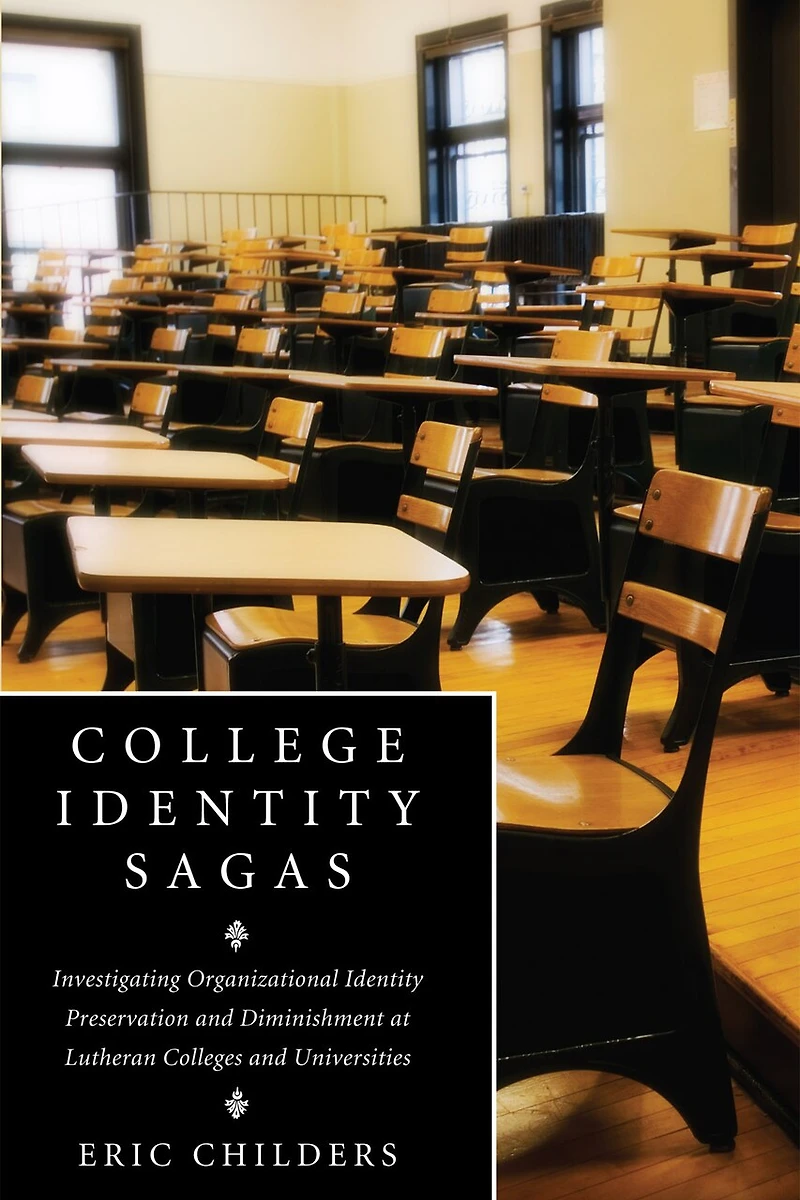
College Identity Sagas: Investigating Organizational Preservation and Diminishment at Lutheran Colleges Universities
Current price: $73.00
Loading Inventory...
Size: Hardcover
*Product information may vary - to confirm product availability, pricing, shipping and return information please contact Indigo
In an increasingly homogeneous higher education landscape, does organizational identity still matter? Specifically, church-related higher education has experienced seismic shifts since the mid-1960s. Framed by emerging research on organizations and theories of isomorphism, this book traces the forty-year narratives of three colleges of the Evangelical Lutheran Church in America--Concordia College, Gettysburg College, and Lenoir-Rhyne University. Are these schools seeking to preserve their religious identities, and if so, what organizational strategies are supporting these efforts? In-depth personal interviews, rigorous document analysis, and thoughtful observation give voice to the three stories detailed in College Identity Sagas. For those interested in distinctive colleges, religiously affiliated higher education, and organization and institutional theories, this book is a vital resource.
In an increasingly homogeneous higher education landscape, does organizational identity still matter? Specifically, church-related higher education has experienced seismic shifts since the mid-1960s. Framed by emerging research on organizations and theories of isomorphism, this book traces the forty-year narratives of three colleges of the Evangelical Lutheran Church in America--Concordia College, Gettysburg College, and Lenoir-Rhyne University. Are these schools seeking to preserve their religious identities, and if so, what organizational strategies are supporting these efforts? In-depth personal interviews, rigorous document analysis, and thoughtful observation give voice to the three stories detailed in College Identity Sagas. For those interested in distinctive colleges, religiously affiliated higher education, and organization and institutional theories, this book is a vital resource.
You May Also Like







More About Indigo at Erin Mills Town Centre
The largest book retailer in Canada also offers toys, music, home décor, gifts and lifestyle products. What's Inside...Books, Magazines, CD’s and DVD’s, Toys and Gifts, Home Accents, Electronics, Baby’s and Children’s Section, Bath and Body, Kitchen and Bedroom, Stationary Located outside in the exterior plaza.
5015 Glen Erin Dr, Mississauga, ON L5M 0R7, Canada
Find Indigo at Erin Mills Town Centre in Mississauga ON
Visit Indigo at Erin Mills Town Centre in Mississauga ON