

GIVE THE PERFECT GIFT
Erin Mills Town Centre Gift Cards are the perfect choice for your gift giving needs.Purchase gift cards at kiosks near the food court or centre court, at Guest Services, or click below to purchase online.PURCHASE HEREHome
Collegiate Republic: Cultivating an Ideal Society in Early America
Indigo
Loading Inventory...
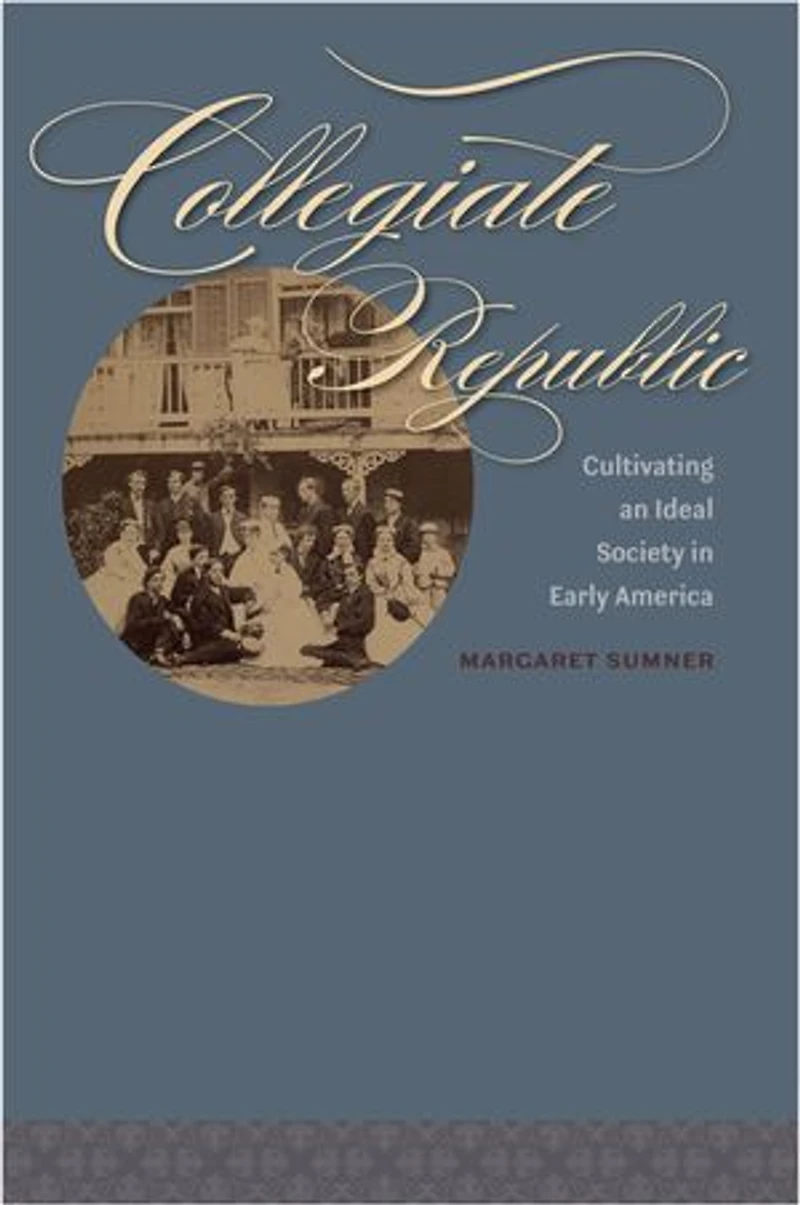
Collegiate Republic: Cultivating an Ideal Society in Early America
Current price: $56.49
Original price: $70.58

Collegiate Republic: Cultivating an Ideal Society in Early America
Current price: $56.49
Original price: $70.58
Loading Inventory...
Size: Kobo eBook
*Product information may vary - to confirm product availability, pricing, shipping and return information please contact Indigo
Collegiate Republic offers a compellingly different view of the first generation of college communities founded after the American Revolution. Such histories have usually taken the form of the institutional tale, charting the growth of a single institution and the male minds within it. Focusing on the published and private writings of the families who founded and ran new colleges in antebellum America--including Bowdoin College, Washington College (later Washington and Lee), and Franklin College in Georgia--Margaret Sumner argues that these institutions not only trained white male elites for professions and leadership positions but also were part of a wider interregional network of social laboratories for the new nation. Colleges, and the educational enterprise flourishing around them, provided crucial cultural construction sites where early Americans explored organizing elements of gender, race, and class as they attempted to shape a model society and citizenry fit for a new republic.
Within this experimental world, a diverse group of inhabitants--men and women, white and "colored," free and unfree--debated, defined, and promoted social and intellectual standards that were adopted by many living in an expanding nation in need of organizing principles. Priding themselves on the enlightened and purified state of their small communities, the leaders of this world regularly promoted their own minds, behaviors, and communities as authoritative templates for national emulation. Tracking these key figures as they circulate through college structures, professorial parlors, female academies, Liberian settlements, legislative halls, and main streets, achieving some of their cultural goals and failing at many others, Sumner's book shows formative American educational principles in action, tracing the interplay between the construction and dissemination of early national knowledge and the creation of cultural standards and social conventions.
Collegiate Republic offers a compellingly different view of the first generation of college communities founded after the American Revolution. Such histories have usually taken the form of the institutional tale, charting the growth of a single institution and the male minds within it. Focusing on the published and private writings of the families who founded and ran new colleges in antebellum America--including Bowdoin College, Washington College (later Washington and Lee), and Franklin College in Georgia--Margaret Sumner argues that these institutions not only trained white male elites for professions and leadership positions but also were part of a wider interregional network of social laboratories for the new nation. Colleges, and the educational enterprise flourishing around them, provided crucial cultural construction sites where early Americans explored organizing elements of gender, race, and class as they attempted to shape a model society and citizenry fit for a new republic.
Within this experimental world, a diverse group of inhabitants--men and women, white and "colored," free and unfree--debated, defined, and promoted social and intellectual standards that were adopted by many living in an expanding nation in need of organizing principles. Priding themselves on the enlightened and purified state of their small communities, the leaders of this world regularly promoted their own minds, behaviors, and communities as authoritative templates for national emulation. Tracking these key figures as they circulate through college structures, professorial parlors, female academies, Liberian settlements, legislative halls, and main streets, achieving some of their cultural goals and failing at many others, Sumner's book shows formative American educational principles in action, tracing the interplay between the construction and dissemination of early national knowledge and the creation of cultural standards and social conventions.
You May Also Like











More About Indigo at Erin Mills Town Centre
The largest book retailer in Canada also offers toys, music, home décor, gifts and lifestyle products. What's Inside...Books, Magazines, CD’s and DVD’s, Toys and Gifts, Home Accents, Electronics, Baby’s and Children’s Section, Bath and Body, Kitchen and Bedroom, Stationary Located outside in the exterior plaza.
5015 Glen Erin Dr, Mississauga, ON L5M 0R7, Canada
Find Indigo at Erin Mills Town Centre in Mississauga ON
Visit Indigo at Erin Mills Town Centre in Mississauga ON