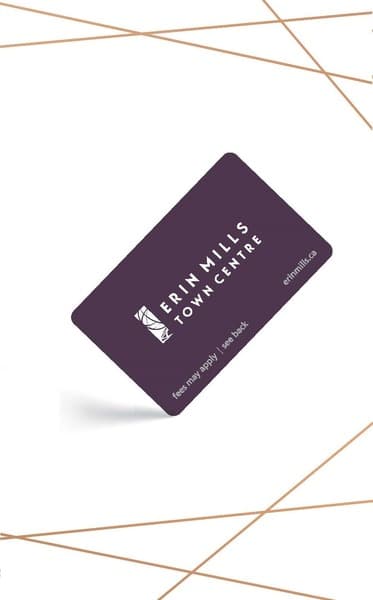
Erin Mills Town Centre Gift Cards are the perfect choice for your gift giving needs.Purchase gift cards at kiosks near the food court or centre court, at Guest Services, or click below to purchase online.PURCHASE HERE
Indigo Constructivist Instructional Design (C-Id) Foundations, Models, and Examples | Erin Mills Town Centre
*Product information may vary - to confirm product availability, pricing, shipping and return information please contact Indigo
This book is about emerging models of design that are just beginning to be used by ID types. They are based on constructivist and chaos (non-linear systems or "soft systems") theory. This book provides constructivist instructional design (C-ID) theorists with an opportunity to present an extended version of their design model. After an introductory chapter on the history of instructional design models, and a chapter on the guiding principles of C-ID, the creators of six different C-ID models introduce and explain their models. A final chapter compares the models, discusses the future of C-ID models, and discusses the ways constructivist designers and scholars can interact with, and work with, instructional technologists who use different paradigms.
This book is about emerging models of design that are just beginning to be used by ID types. They are based on constructivist and chaos (non-linear systems or "soft systems") theory. This book provides constructivist instructional design (C-ID) theorists with an opportunity to present an extended version of their design model. After an introductory chapter on the history of instructional design models, and a chapter on the guiding principles of C-ID, the creators of six different C-ID models introduce and explain their models. A final chapter compares the models, discusses the future of C-ID models, and discusses the ways constructivist designers and scholars can interact with, and work with, instructional technologists who use different paradigms.
The largest book retailer in Canada also offers toys, music, home décor, gifts and lifestyle products. What's Inside...Books, Magazines, CD’s and DVD’s, Toys and Gifts, Home Accents, Electronics, Baby’s and Children’s Section, Bath and Body, Kitchen and Bedroom, Stationary Located outside in the exterior plaza.